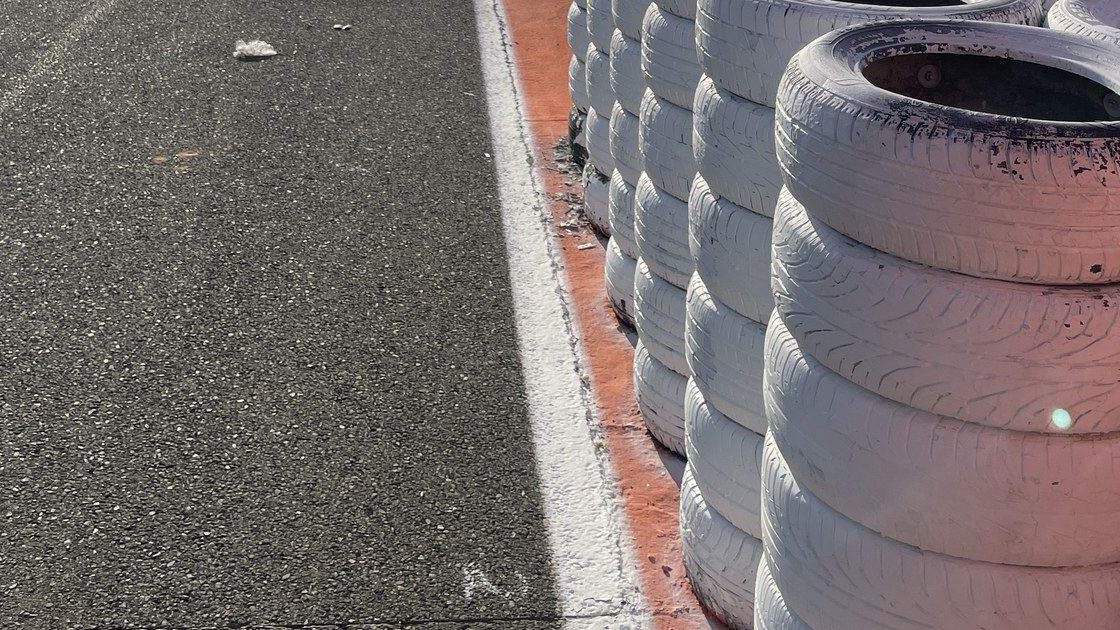
360° Motorsport Live Stream – Ambisonics Along the Race Track
At a football match there is one place where things happen: the pitch. At a race there is an entire track. For a 360° motorsport live stream I therefore set up not one but several Ambisonics positions along the circuit. I don’t talk about the client or the event, but I do talk about the method.
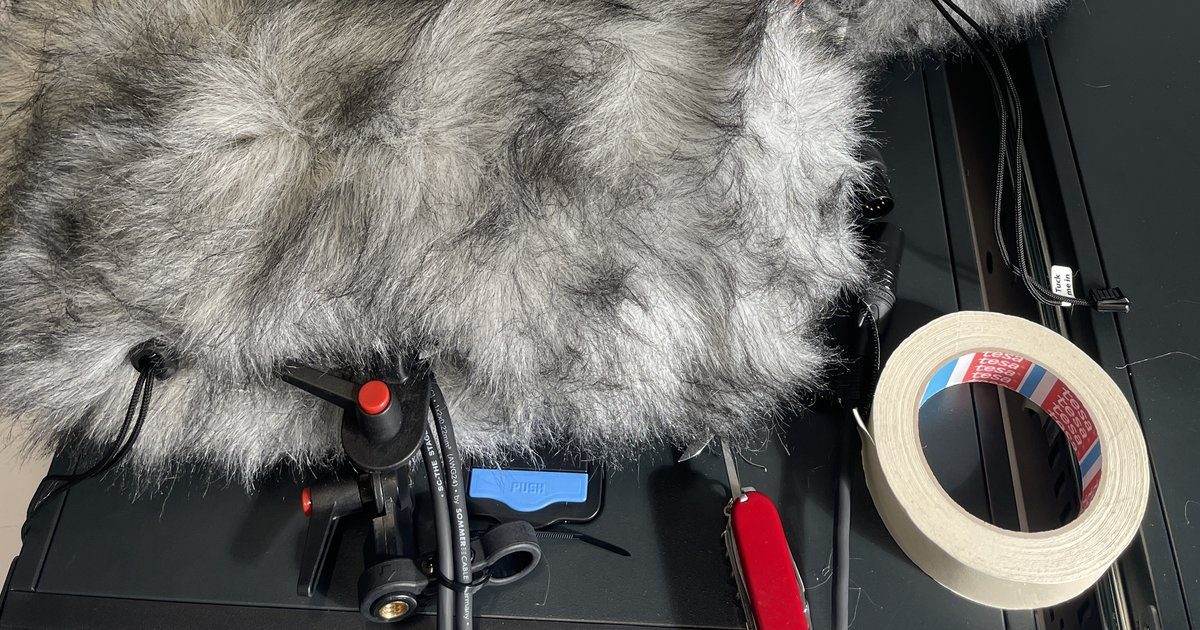
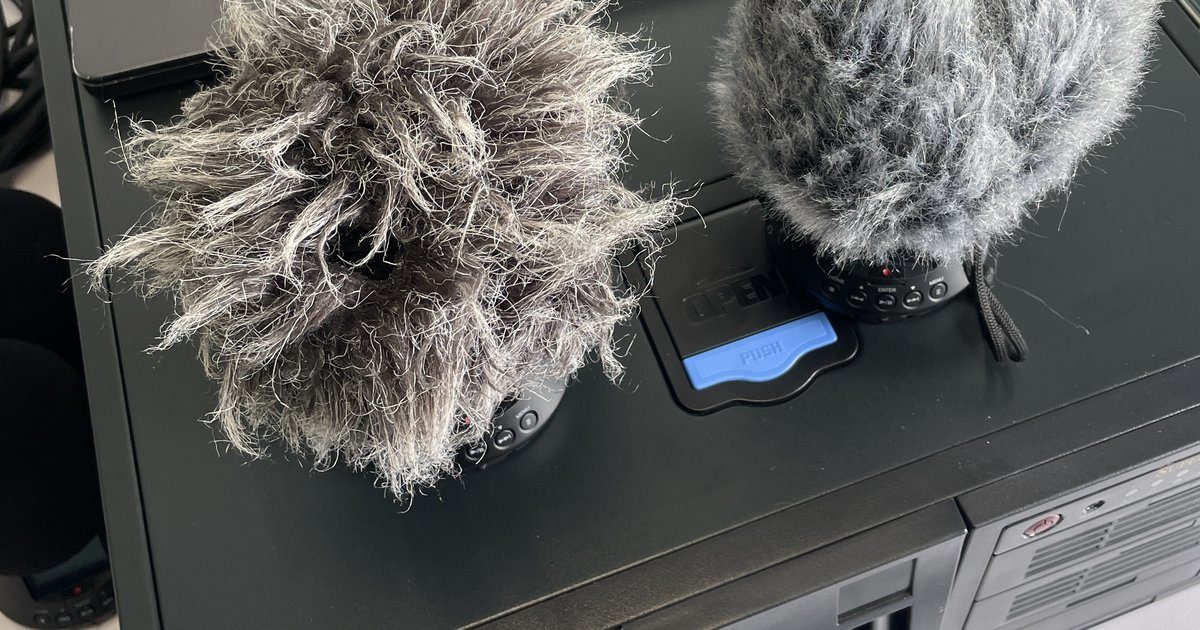
The 360° cameras stood at different sections of the track. Each camera had its own Ambisonics microphone, with a windshield against airflow and weather.
Why a race track needs several sound points
A stadium has a centre that the audience relates to. A race track has no centre, it has a line along which the action moves. Placing the viewer at a single point loses exactly what makes a race: vehicles approaching and passing, which sounds different at every spot depending on how the track runs there.
That is why every position got its own microphone directly on the camera, not somewhere next to it. That way picture and sound show exactly the same section of the track. When a vehicle crosses the picture from left to right, the sound has to do the same, otherwise the illusion falls apart immediately.
Then there is the logistics. Unlike in a stadium, where you get from one camera position to the next in a few minutes, the positions along a race track are a real journey apart. Each position needs its own mounting, its own windshield and its own signal routing.
How individual positions became one consistent stream
Each camera-microphone combination ran on its own, but in the end it had to fit into the same signal chain: the same level, the same baseline loudness of the surroundings, no position suddenly sounding louder or brighter than another. At the same time, every spot sounds different. A straight sounds like the rush of passing at high speed, a corner like braking and accelerating.
For conventional TV sound, a feed from the mixing desk is enough. Here every position needed its own continuous signal chain, because otherwise the spatial information is lost before delivery.
What came of it
The result is a live stream that shows the race from several positions at once in 360° with Ambisonics. Anyone watching with a VR headset or headphones gets, for each camera position, the sound space that really belongs to that spot on the track.
For me it confirmed a point that is often overlooked in live streams: spatial sound doesn’t scale up automatically just because you add more cameras. Every additional position is an acoustic task of its own, from microphone placement to signal routing.
Frequently asked questions about 360° live streams with spatial sound
Why isn’t one microphone enough for a race track? Because a track has no centre. Each camera position needs the sound of its own spot, otherwise picture and sound don’t match when vehicles pass.
Where does the microphone go on a 360° camera? Directly on the camera. Only then do picture and sound show the same section and the same direction.
What is hardest with several positions? Making all positions sound equally loud and equally bright in the stream, even though the surroundings are different at every spot.
Planning a live broadcast with spatial sound?
From microphone placement to the finished signal chain, all from one source.
Get in touch