Location Sound on Set: Sound Mixer for Film Shoots
Classic stereo location sound is not really what I sell. My field is spatial audio. When I do pick up the boom, it is because the project calls for it or because someone dropped out on short notice. The gear is in the house anyway, at the level a production expects.
The bookings have always come from production companies, never from the brand directly.
The work is the same every time
That is not an understatement, that is the point. The routine does not change, whether a national team player, a scientist or a former race driver sits in front of the camera. Still, the job means staying ready, sensing the unforeseeable and being prepared for every eventuality.
Hiding the mic
Lavalier mics are wired under the clothing. A visible microphone pulls the viewer straight out of the scene.
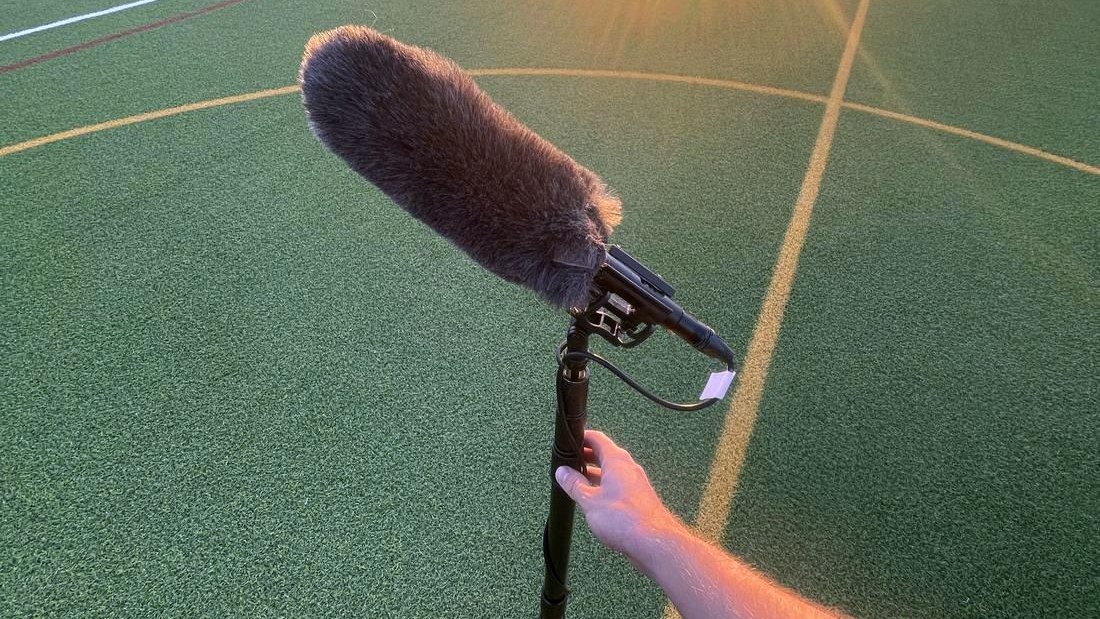
Rigging the boom
A lav alone sounds thin and changes with every head movement.
The boom delivers the sound of a person in a room instead of a microphone on a collar.
Setting up wireless
I run a consistent system from one manufacturer, so gain can be adjusted from the receiver side. Nobody has to be touched twice.
Each transmitter records a backup to its memory card in case the link drops.
Feeding audio to the director
Everyone hears what actually arrives, not what you think you hear standing on set.
Working with the people on camera
Someone about to talk about personal things needs a person who gets the wiring done quickly and calmly, and then stops being noticeable.
On headphones I am the first to hear when an answer has not landed yet, or when a question would work better asked differently.
That is a role no quote ever lists. If the director is fine with it, I say so. It is the cheapest moment to fix it.
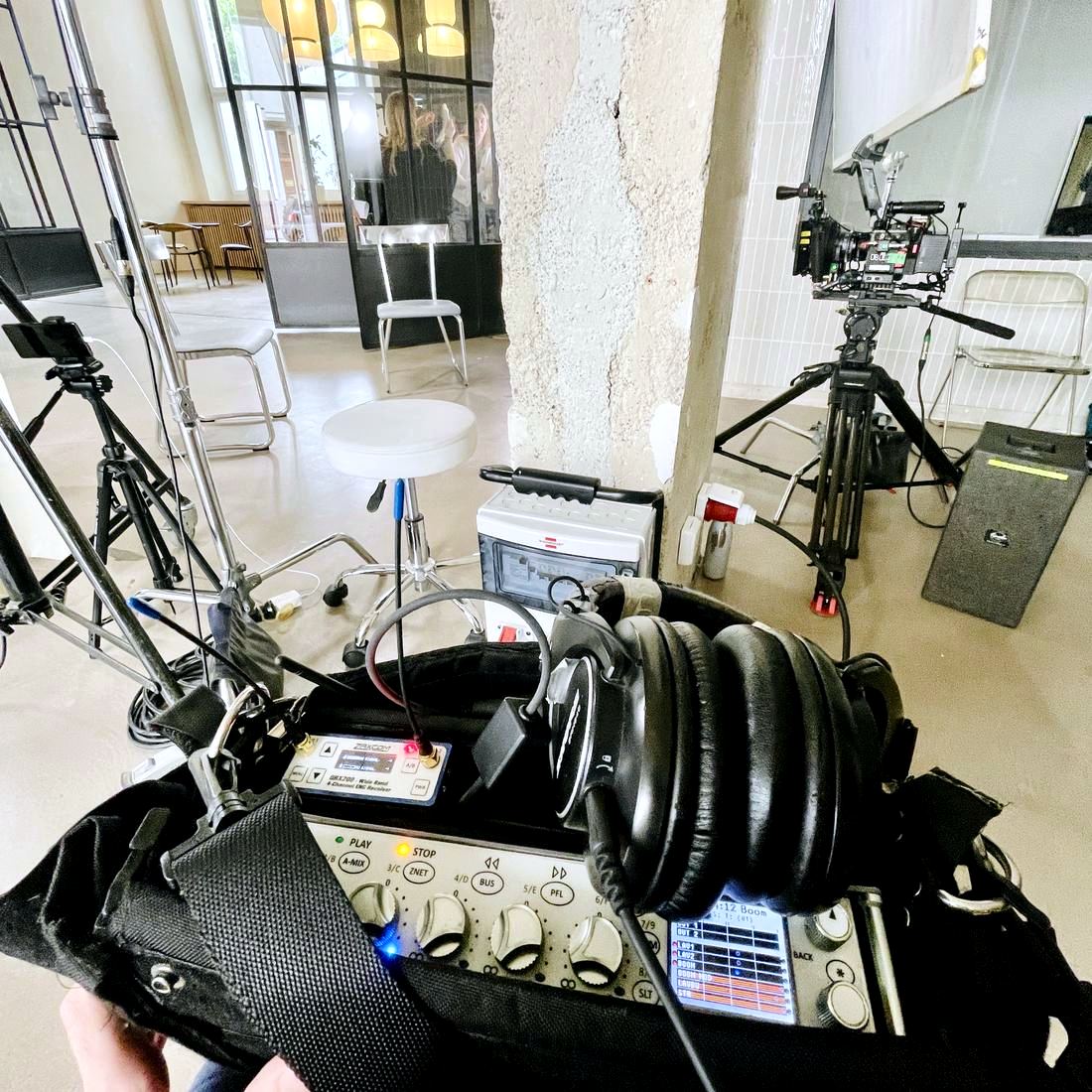
VOGUE Germany and Google Pixel
Six-part interview series around the Women’s World Cup. Lena Cassel in conversation with national team players, among them Lina Magull and Laura Freigang. Three locations, three different sound problems: reverb and footfall in the hall, deadness in the artificial turf room, wind and distance on the pitch.
Read the full case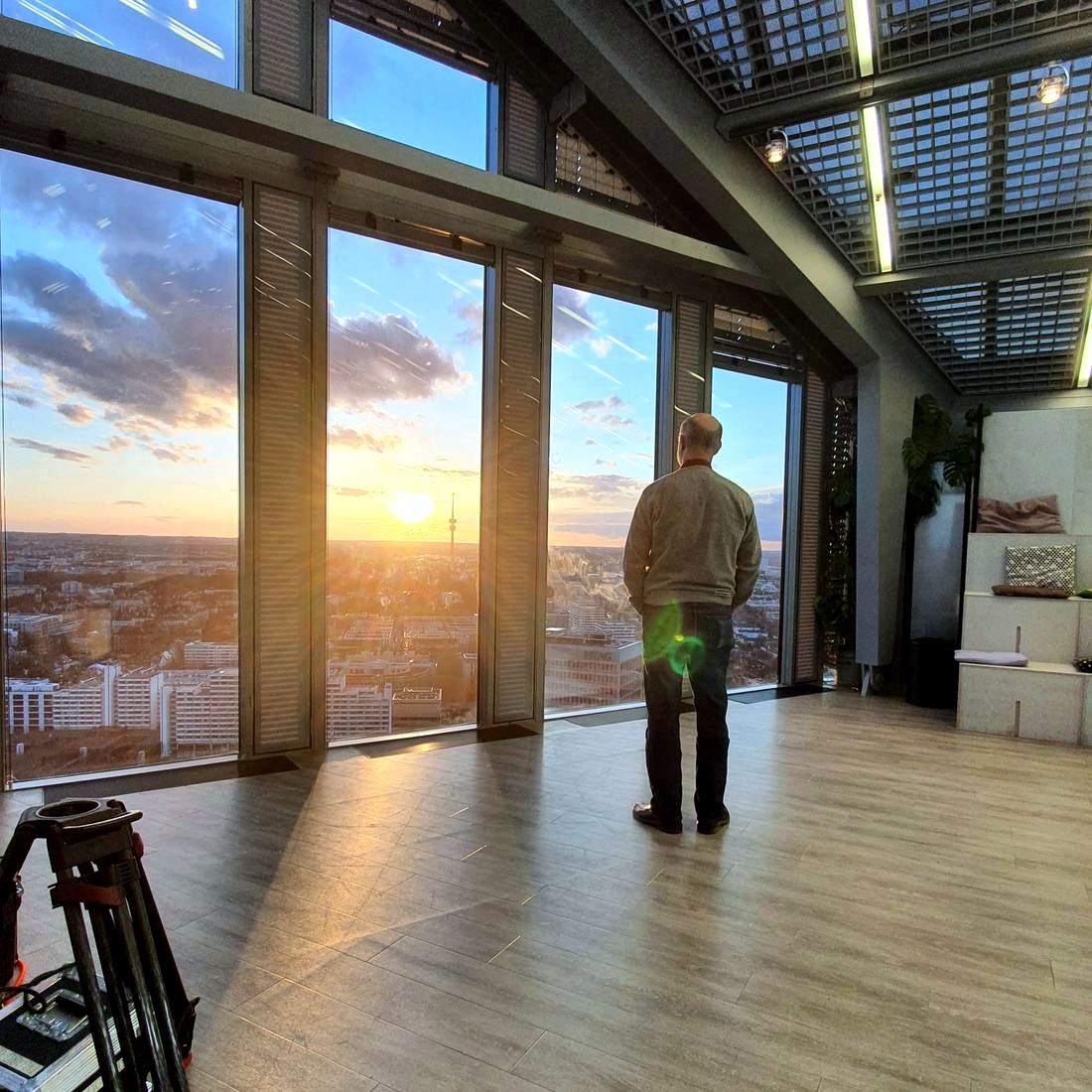
Leaders von Morgen
Interview shoot in a Munich high-rise with a panoramic view over the city, among others with Harald Lesch. A floor-to-ceiling window front looks fantastic and is a hard room for sound: lots of glass, lots of reflection, little that absorbs.
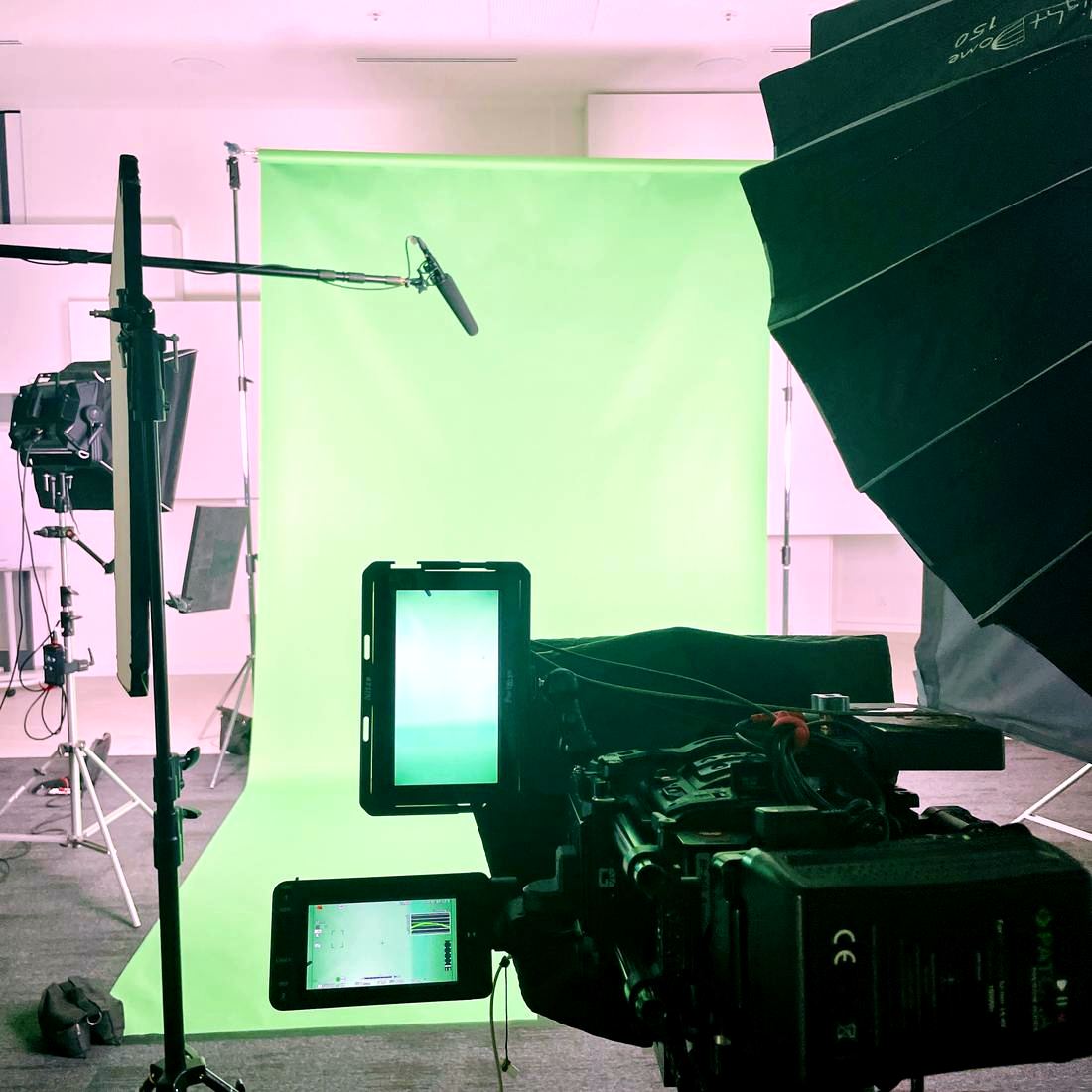
Bosch
Shoot in a green screen studio. The room you see later comes from the computer, so the room you record must not end up in the signal at all. Immersive mic arrays are no help here, they capture the studio. What saves the day are boom and lav.
Porsche Top 5
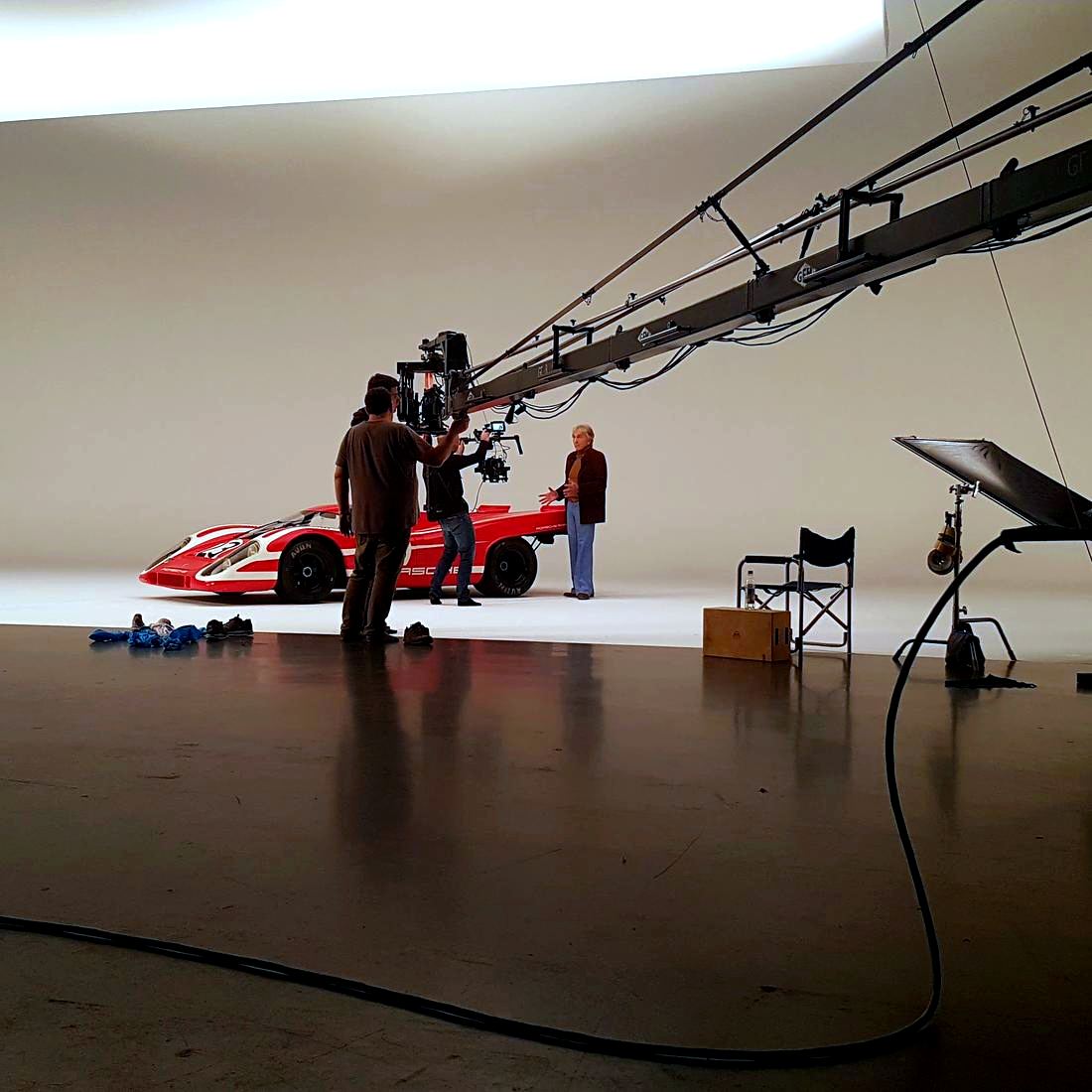
Studio shoot for Porsche’s YouTube series: white cyclorama, race car, camera crane. A studio without furniture or curtains is one big empty box, acoustically. The crane moves, the speakers move with it, and the boom has to follow both without entering the frame.
EGYM
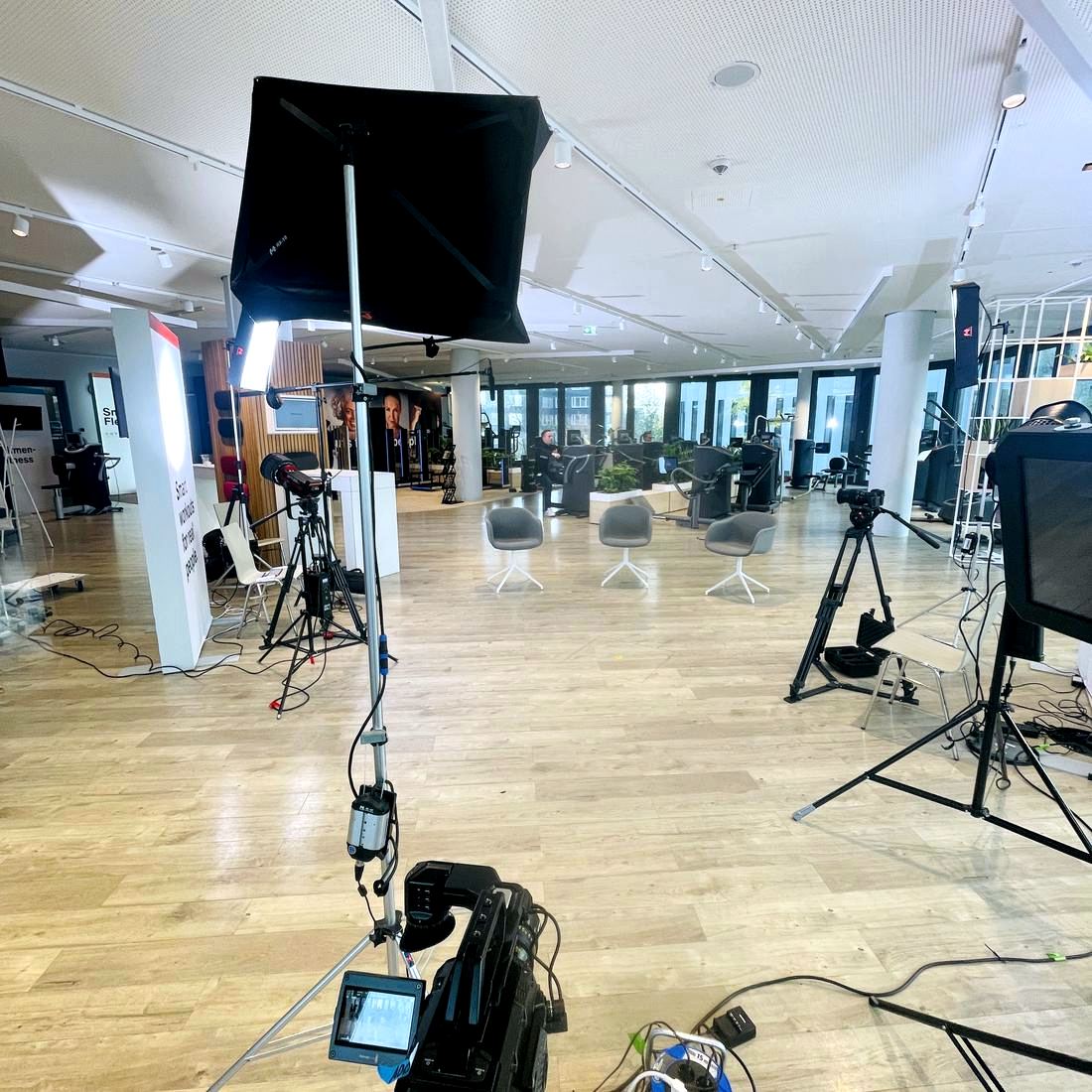
Interviews at the office, shot while the building was running: ventilation, footsteps on wood, doors, colleagues in the background. Most of it cannot be switched off, so it gets planned for during setup instead of lamented afterwards.
Who does this
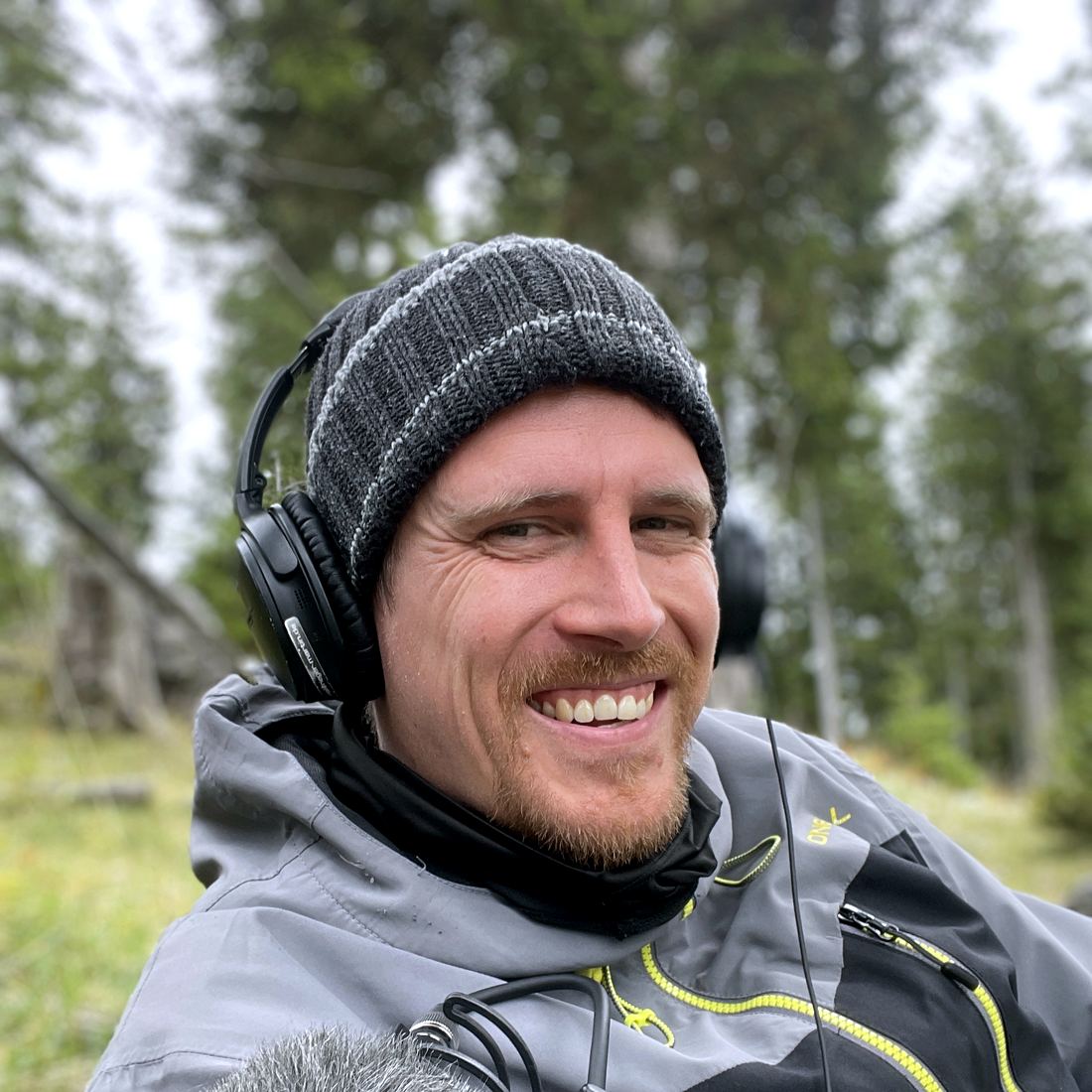
I am Martin Rieger, a sound engineer from Munich. My focus is spatial audio, which has taken me to shoots all over the world, from factory halls to mountain tops. Location sound comes out of the same routine: whoever has learned to capture a room cleanly will also record an interview cleanly.
My filmography is on Crew United.
How we start
Before we talk gear, we clear up the essentials in fifteen minutes: what it is about, where you shoot, when the shoot day is and who decides on your side. After that I know whether I am the right fit, and you know what it takes.
Send a non-binding inquiry