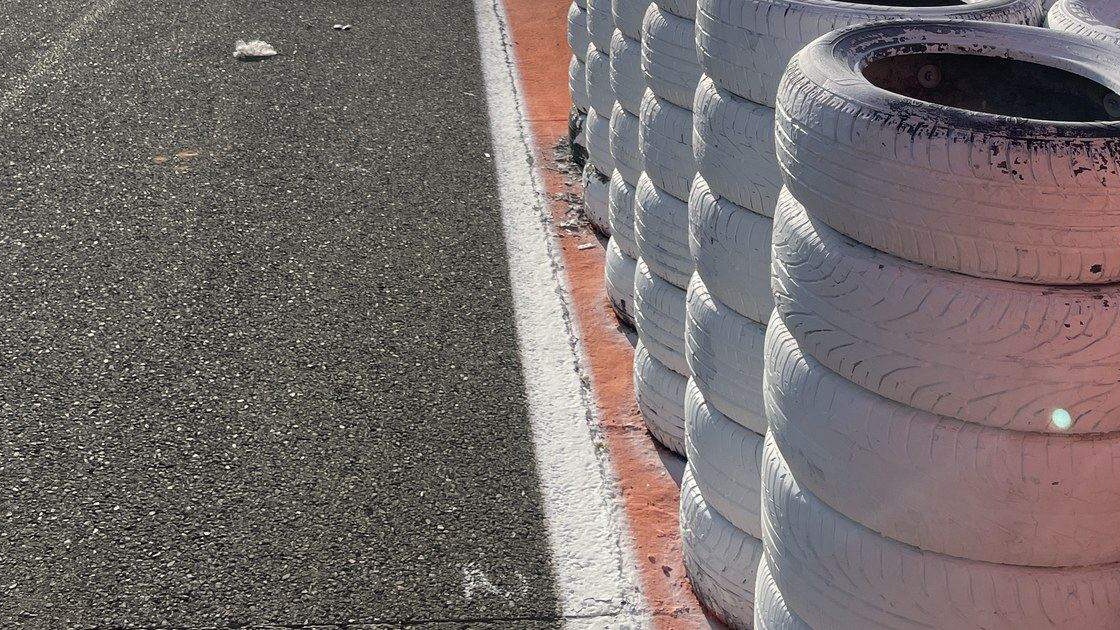
360° Motorsport Live Stream – Ambisonics at Four Track Positions
At a football match there is one place where things happen: the pitch. At a motorcycle race there is an entire track. For an international 360° motorsport live stream I set up not one but several ambisonics positions along the race track. I am not allowed to say anything about the client or the competition. About the method I am.
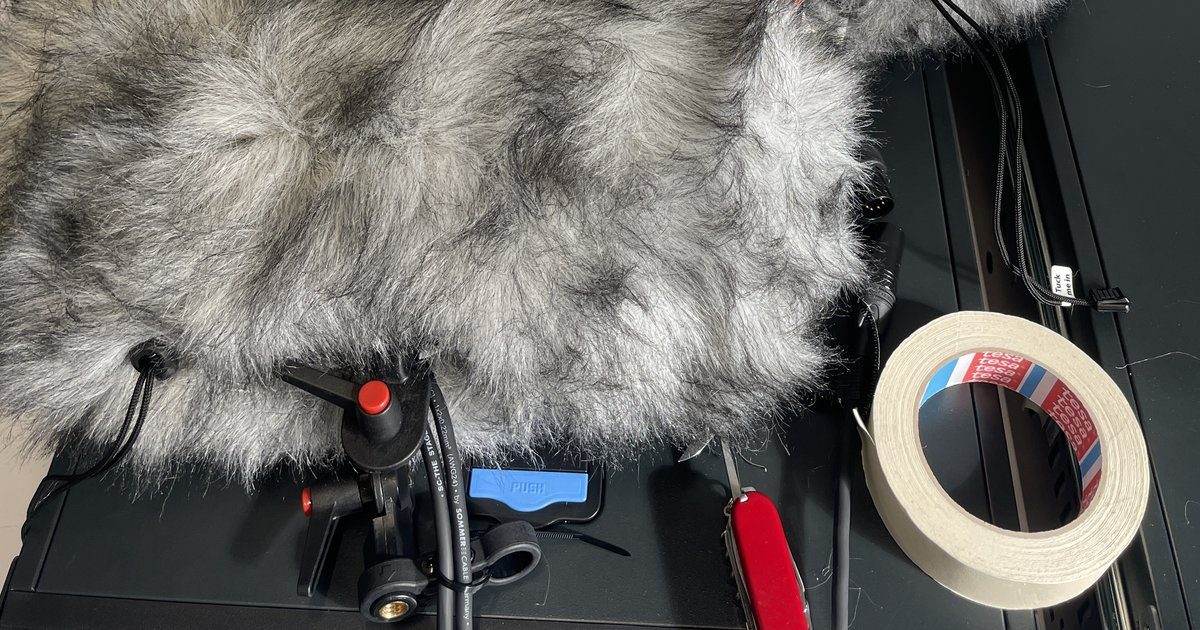
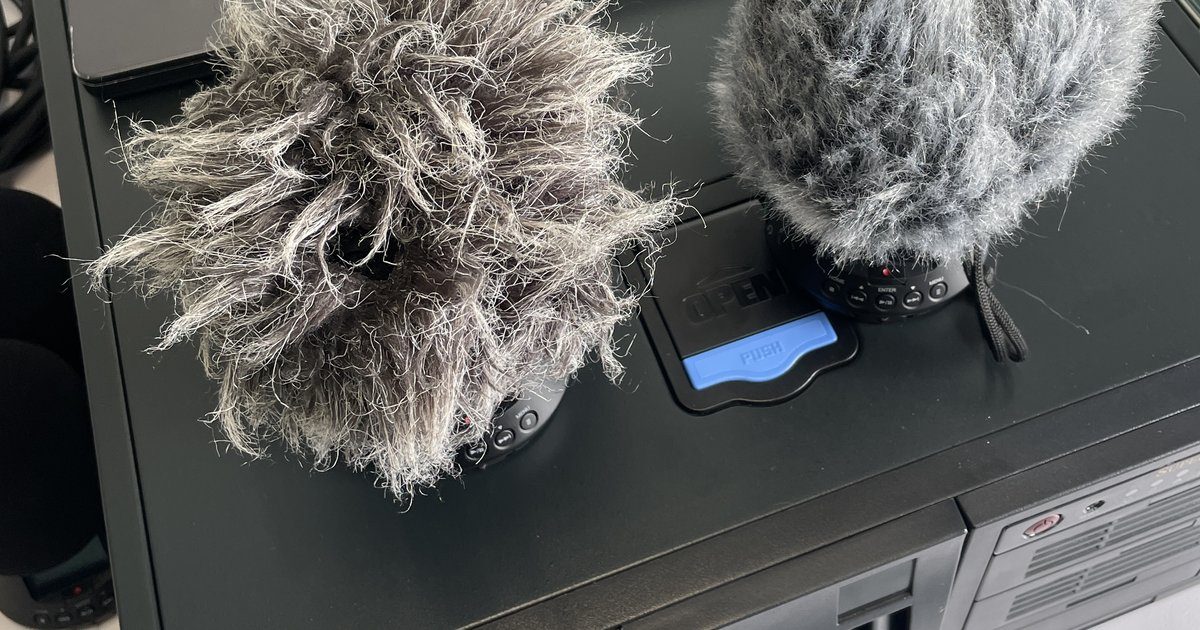
Three fixed 360° cameras stood at different sections of the track, plus one mobile camera in the pit lane area. Each position carried its own ambisonics microphone mounted directly on the camera housing, a Sennheiser Ambeo VR Mic, weatherproofed and wind-shielded on the track fence.
Why a race track needs several sound points instead of one sound space
A stadium has a centre that the audience relates to. A race track has no centre, it has a line that the action moves along. Placing the listener at a single point loses exactly what makes a motorsport event what it is: vehicles approaching and passing, which sounds different at every position depending on how the track runs there.
So instead of one central recording, the setup used several independent ambisonics points running in parallel. Each position got its own microphone directly at the camera, not somewhere nearby, so picture and sound cover exactly the same stretch of track. If a vehicle crosses the frame from left to right, the sound has to do the same, or the illusion falls apart immediately.
The build itself was a logistics job in its own right. A team of technicians, camera and sound crew fitted out all three fixed positions along the track in a single day, prepared server racks, and set up the mobile camera in the pit lane. Every position needed its own power supply, its own radio link and its own mount on the fence, often several hundred metres from the neighbouring position. Unlike a stadium, where the crew moves between camera positions in minutes, a race track puts real driving time between positions.
How four separate positions became one consistent signal
Each camera-microphone pair ran independently but had to fit the same signal chain in the end. That means matching level, matching ambient loudness, no position suddenly sounding louder or brighter than another just because it stood closer to a PA system or a busy grandstand. On a race track the ambience differs fundamentally at every position on top of that: the pit lane sounds like tools, radios and idling engines, a straight sounds like the rush of a vehicle passing at speed, a corner sounds like braking and accelerating.
The whole setup ran through a technical container on site, where the signals from every position were combined and distributed onward. Unlike a classic TV sound feed, where a single desk tap is enough, every position here needed its own unbroken signal chain all the way to the distribution point, or the spatial information would already be lost before delivery.
What made a mobile motorsport broadcast possible
What came out of it is a setup that covers an international motorsport event across several fixed positions and one mobile position simultaneously in 360° with ambisonics, instead of relying on a single commentary position. Anyone following the broadcast on a headset or headphones gets the sound space that actually belongs to that particular stretch of track for every camera position.
For me this confirmed a point that gets overlooked in live streams: spatial sound does not scale automatically just because you add more cameras. Every additional position is its own acoustic task, from microphone choice to signal routing, or in the end the immersion is reduced to one more channel that says nothing to anyone.
Planning a live broadcast with spatial sound?
From microphone position to the finished signal chain, from a single source.
Get in touch