Interactive Trade Show Booth with VR: the Sound for Physik Instrumente
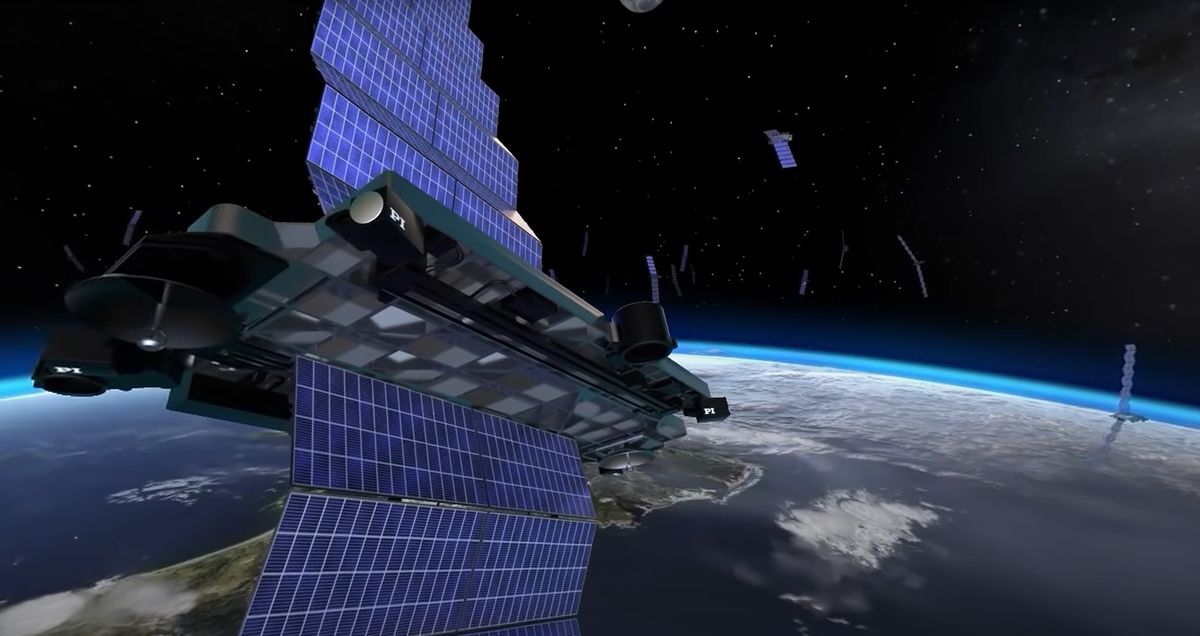
For the Physik Instrumente booth at Laser World of Photonics in Munich I did the complete sound design and the Ambisonics mix. The VR experience is set in space, in low earth orbit. The client was Stein Communication.
A VR journey into space
PI builds steering mirror systems that keep laser beams on track between satellites. That needs explaining, and it is hard to show on a trade show floor. The VR experience turns it into a journey: thousands of compact satellites go into low earth orbit, each carrying PI technology that compensates vibration, thermal drift and orbital changes so the beams stay on target across hundreds of kilometres.
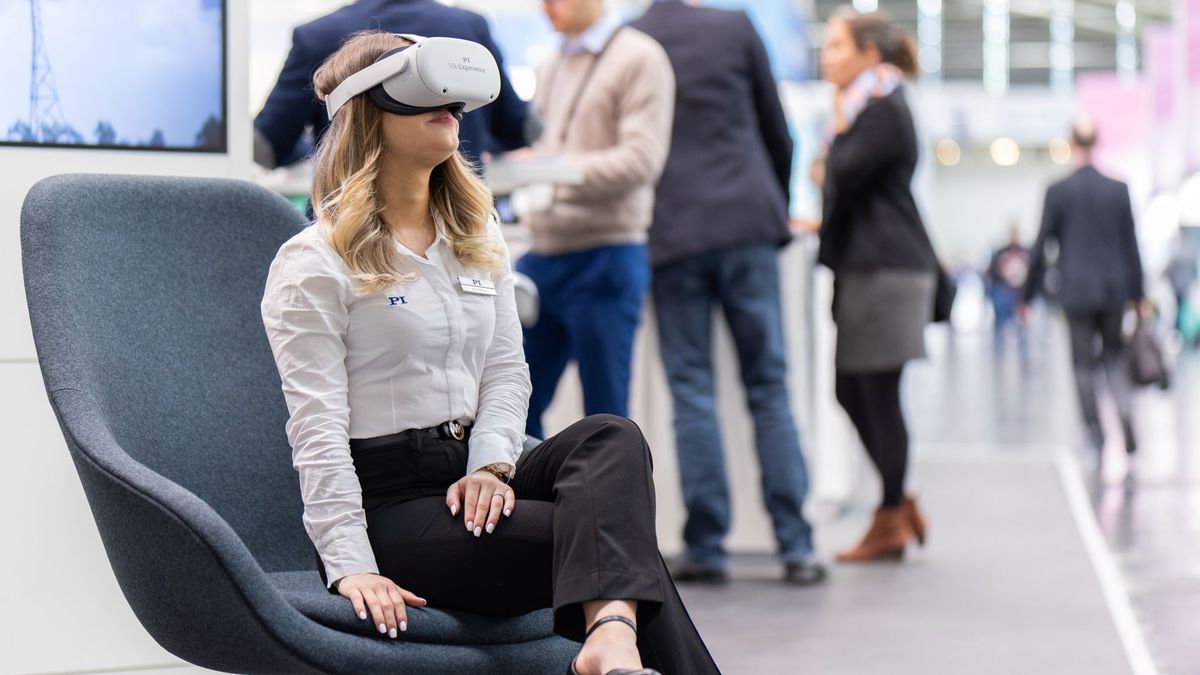
Put the headset on and you are inside it instead of in front of a datasheet.
There is no sound in space
That is the real design question with material like this. A vacuum carries no sound, so you could mute everything. Correct, and it would move nobody.
The other route is Star Wars: engines roaring, lasers hissing. Everyone knows that register, which is exactly why it does not work here. PI makes precision instruments, not blockbusters.
The sound sits in between. It stays abstract and wide, works with movement rather than noise, and lets the music open up where the picture gets big. Majestic, but not loud.
A trade show floor is the hardest place for headphones
At a trade fair the sound competes with everything: neighbouring booths, announcements, a conversation two metres away. Deliver a quiet, delicate mix there and you lose. Mix it too loud and people are tired after two minutes.
On top of that, visitors stay for different lengths of time and start the experience in the middle of the day with no briefing. The opening has to carry immediately.
Mixed higher than the headset can play back
I mixed in Higher Order Ambisonics, the way I do on every spatial project. The Quest does not output that at full resolution; TBE was the maximum there, a hybrid approach with a higher-order component.
That is not a compromise you make at render time, it is a decision that belongs in the mix. Work in high order and fold down to what the headset can do, and you stay in control of what gets lost. Mix low from the start and you simply do not notice.
What came out of it
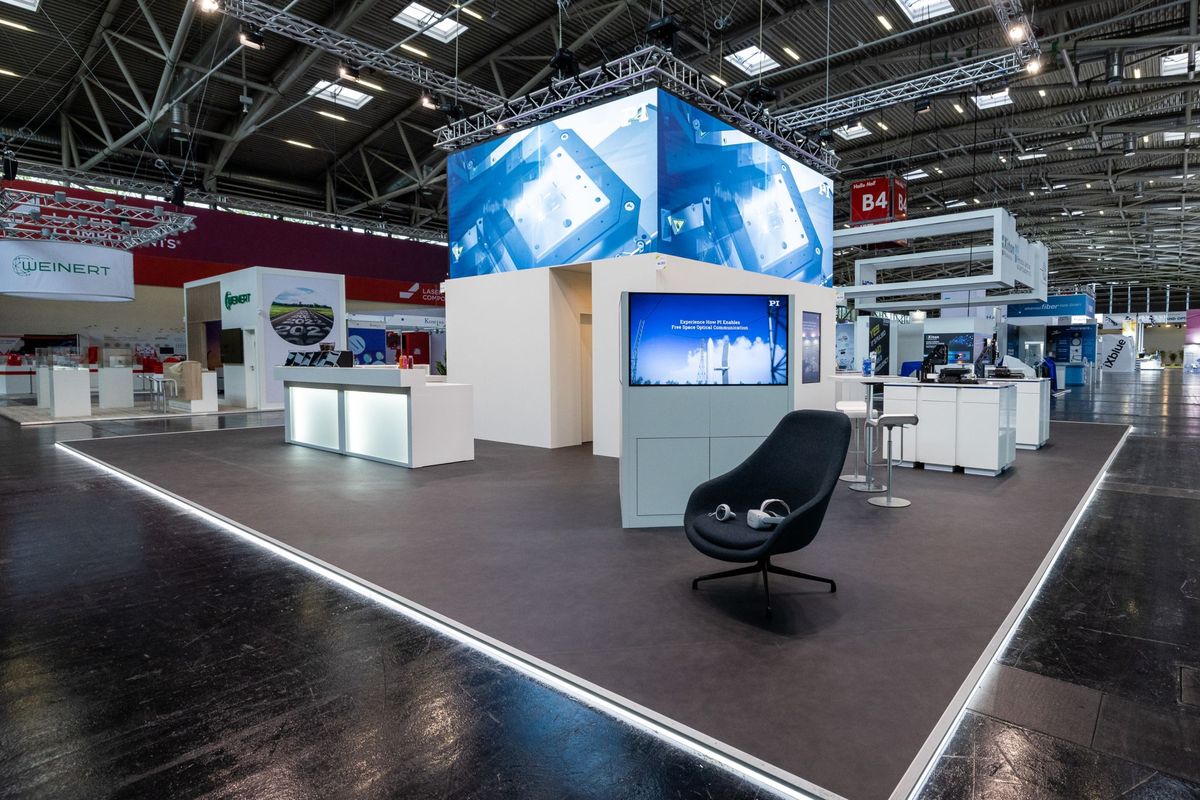
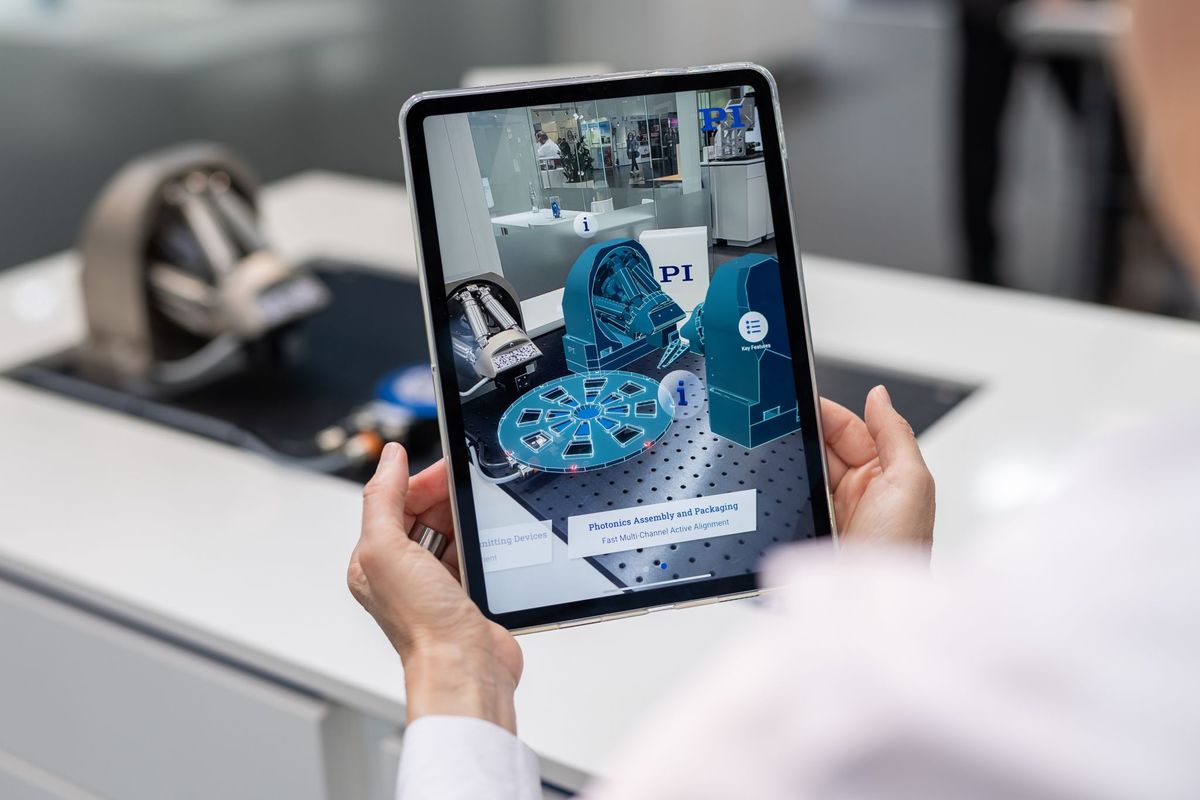
The booth combined touchscreens, augmented reality on tablets and the space VR experience into an appearance that makes a technology you cannot see comprehensible. Stein Communication built it with a team spanning concept, architecture, app development, animation and 3D.
My part: sound design and the Ambisonics mix for the headset.
Planning a booth where the sound has to cut through?
Spatial audio for VR and installations, from the concept to the version that actually works on the target hardware.
Get in touch