How ASMR microphones record the sensory journey
Content
An ASMR microphone has to do one thing well: capture very quiet sounds very close to the ear without adding noise of its own. That narrows the choice a lot faster than most buying guides suggest. This article covers what actually matters, self-noise first, and where a binaural microphone beats a condenser.
Disclaimer: This article was originally written using AI, but the result was so-so, which is why I went over it again completely. Lesson learned: AI just doesn’t really check out such technical topics as 3D audio – good for me. Nevertheless, the article should now answer some questions about buying ASMR microphones.
What is ASMR in a nutshell?
What is ASMR? Autonomous Sensory Meridian Response (ASMR) is a pleasant, tingling sensation that often spreads through the head area and is triggered by certain visual and auditory stimuli. Triggers can include whispering, gentle tapping, or even the rustling of paper. Many people use ASMR videos to relax, fall asleep better, or relieve stress.
For those who want to go into more depth, I have a great article that unravels the myth.
However today we want answers to the question what are the best ASMR microphones?
Do you need special ASMR microphones?
Strictly speaking, no. There is no such thing as an ASMR microphone as a category. What exists is a set of requirements that ASMR imposes harder than almost any other application: very low self-noise, because the source is quiet and you will be turning it up; sensitivity at close range; and, if you want the sensation of someone being beside you rather than in your head, two channels recorded the way ears hear.
Where the money goes is therefore not into a special feature. It goes into a quiet, sensitive capsule, and that is what makes the difference between a recording that tingles and one that hisses.
What types of ASMR microphones are there?
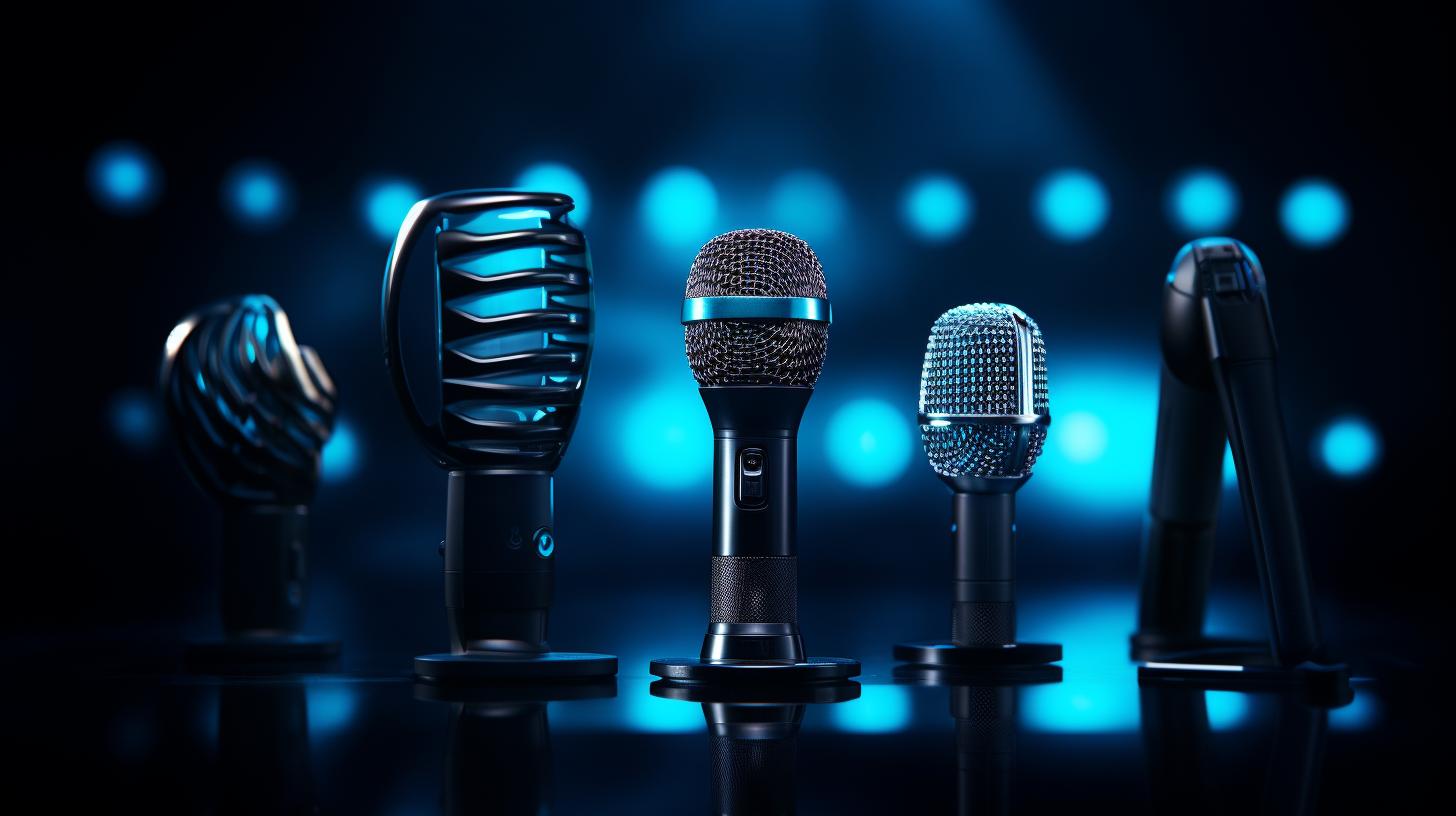
There are different types of ASMR microphones that have different characteristics. One example is binaural microphones, which create a spatial sound and place the listener in the middle of the ASMR activities. There are dynamic microphones and also directional microphones that minimize ambient noise and improve sound quality. Each type of microphone has its own merits and is suitable for specific application scenarios.
Not everyone can experience ASMR. Yet, there is a certain microphone type that makes it work even better. Many speakers use condenser microphones. These usually have a directional characteristic called cardioid and a so-called proximity effect. This means that the voice is particularly bassy when you are close to the condenser microphone. This is especially good for podcasts and twitch streams.
I prefer binaural microphones. These are these fun ear mics, also called dummy heads, that pick up stereo sound, spatially. This really gives our ears a sense of spaciousness. The sounds are no longer perceived as if they are created in our head. Instead, it really feels like a person is whispering in our ear. Because of the stereo recording, the distance is also audible.

Intrinsic noise for beginners
Intrinsic noise is an important factor when choosing an ASMR microphone and deserves special attention. This noise can occur due to various factors such as electrical voltage, electromagnetic interference, or inadequately shielded recording components. Before you decide on an ASMR microphone, I strongly recommend that you check the manufacturer’s stated values for self-noise. These values are expressed in decibels (dB-A) for the weighted sound pressure level. Here’s a helpful list to get you started:
ASMR microphones with a low self-noise of ≤ 10 dB-A provide extremely low noise and are excellent for high-quality ASMR recordings. If the microphone self-noise is in the range of 11 to 15 dB-A, it is a low-noise microphone that is still suitable for high-quality recordings. Models with self-noise of 16 to 19 dB-A have medium noise and can be good microphones overall, but may not be optimal for ASMR content.
If the self-noise is in the 20 to 23 dB-A range, this could indicate a higher self-noise, which may not be the best choice for an ASMR microphone. Finally, microphones with a self-noise of ≥ 24 dB-A should be avoided, as they have strong self-noise and are not suitable microphones for ASMR projects.
Careful consideration of self-noise is essential to ensure that the ASMR microphone you choose provides the best possible audio quality for your specific needs. If you have any questions, please feel free to contact me for further assistance!
Polar patterns
A polar pattern describes from which directions a microphone picks up sound best and how it reacts to sound from different sides. There are different polar patterns, such as omnidirectional, cardioid, figure-of-eight, and others, each covering different recording ranges. The choice of polar pattern affects which sound sources the microphone captures and which sounds it blocks out. This is important to achieve the optimal audio quality for various applications, such as ASMR video recording, voice recording, or ambient noise.
Omnidirectional microphone / Omnidirectional:
This recording direction captures sound equally from all directions. This means there is no need to use multiple microphones to create an omnidirectional recording. Omnidirectional microphones are ideal for ambient recording and atmospheric or ASMR sounds, such as in parks, cafes, restaurants, etc.
Cardioid / Cardioid Microphone:
Cardioid microphones are characterized by a strong pickup sensitivity towards the front, while the side and rear areas are captured less. This polar pattern is perfect for single-tone vocal recordings made in a specific direction, as required for speech and noise ASMR without spatial direction (left and right ear).
Supercardioid / Hypercardioid:
Similar to the cardioid microphone, the supercardioid captures sound strongly from the front, but limits the pickup even further in lateral and rear areas. This is particularly suitable for single-sided audio recordings, such as those found in various ASMR content, podcasts, and Let’s Play formats.
Eight:
A microphone with figure-eight recording direction captures sound equally from the front and the rear. This characteristic is perfect for recording two directions simultaneously on one channel, which can be of particular interest during interviews. For close ASMR recordings of speech (one side) and noise (other side) simultaneously, a figure-eight microphone is ideal.
Binaural / Stereo Microphones:
Binaural microphones provide separate left and right channel output. The separate channels allow for individual editing and correction during recording vocals and post-production. This recording direction is ideal for ASMR audio to be played through headphones to create immersive experiences such as sounds circling around the head or two-voice scenarios.
Choosing the appropriate microphone recording device and direction depends on your project and desired results. This overview will make it easier for you to choose the right ASMR microphone for your needs and create high-quality content.
Benefits and features of using ASMR microphones for content creators
The checklist below is what I go through before recommending anything. Sound quality and recording accuracy come first, because the whole format lives on details that a noisy microphone simply buries.
So what defines the best ASMR microphone, though?
A good ASMR microphone features several essential characteristics that combine to ensure high-quality audio recordings for ASMR content. Sound quality and recording accuracy are paramount, as high-quality ASMR microphones are capable of capturing the subtlest sounds and nuances with precision and clarity. This is essential to convey the unique tingles and smooth sounds for the audience.
Background noise
Background noise rejection is a key feature to ensure that the recorded sounds are free of clutter. ASMR microphones that effectively minimize unwanted ambient noise provide professional sound quality and increase immersion in the ASMR world.
Polar pattern
The choice of polar pattern is important, as a cardioid polar pattern is often preferred. This directs the pickup area to the sound source and minimizes ambient noise from the sides and rear. This helps to ensure that the main sound source is focused and recorded clearly.
Control options
The adjustments an ASMR microphone offers are crucial to adapting the recording to different scenarios. Adjustment options such as microphone sensitivity, frequency response and volume allow for fine-tuning to achieve the best possible sound quality.
Pop Filter
The pop filter is a handy feature to minimize annoying plosive sounds and wind noise during recording. This improves audio quality and helps the recording sound smooth and professional.
Choosing condenser microphones is often optimal for ASMR recordings, as they offer a wide dynamic range and can capture the soft, subtle sounds characteristic of ASMR.
Haptics
The mechanical stability of an ASMR microphone is critical to minimize unwanted vibration and noise during recording. A sturdy housing and high-quality suspension system help ensure great sound quality without distracting background noise.
Mounting bracket
Easy positioning of the microphone is another key feature. A flexible microphone stand allows the user to precisely position the microphone for optimal recording results. This flexibility is important to achieve the best sound for recording ASMR and videos.
Plug and Play
Plug-and-play functionality makes using the microphone much easier. Simple setup without complicated configuration allows both novice and experienced users to easily use the microphone without wasting time on complex setup steps.
Compatibility
Compatibility with different recording devices is another key factor. A good ASMR microphone should be compatible with a variety of devices, such as computers, smartphones, and cameras, to provide versatility of use. For instance, a USB microphone is only compatible with a computer, so variants with an XLR cable may make more sense.
Price performance
Budget is also an important factor when choosing an ASMR microphone. Depending on one’s financial capabilities, a suitable microphone should be chosen that meets both quality requirements and budget. So it’s worth comparing before you buy.
When choosing an ASMR microphone, it is advisable to consider user reviews and expert recommendations. The opinions of other users can be helpful in choosing the right microphone for individual needs and creating high-quality ASMR content.
What all do you need for ASMR?
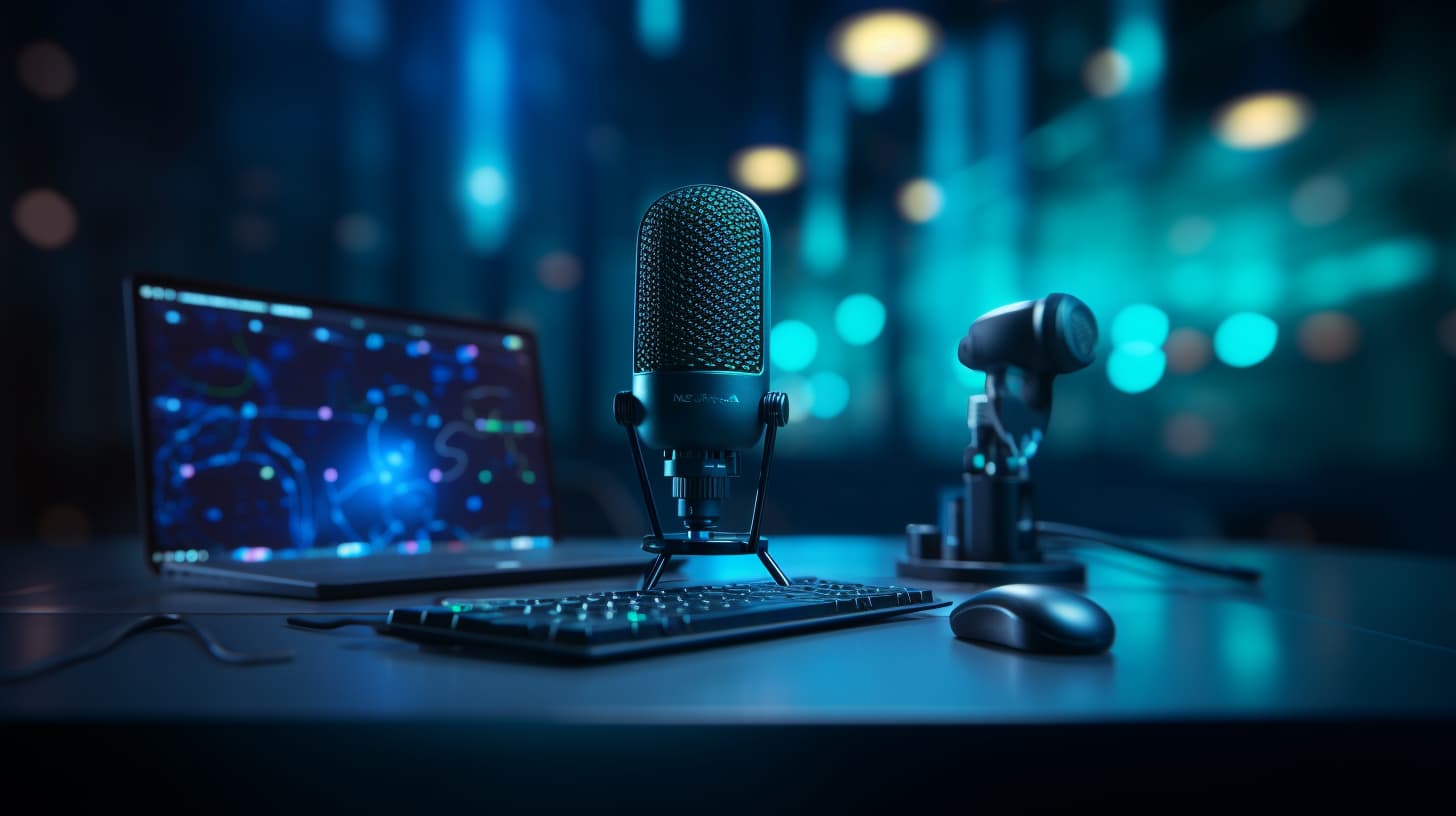
Creating ASMR videos requires careful planning and the right equipment to get the best results. Here are the basic items you need to produce ASMR content:
-
ASMR microphone: A high-quality ASMR microphone is the heart of any ASMR production or recording studios. It is crucial for accurately recording smooth sounds and noises and creating an immersive sound atmosphere. As mentioned, there is a wide variety of products here, but it depends on the setup as to which device the maker chooses.
-
Video equipment: Besides audio quality, the visual component is also important. A camera or smartphone with good video quality will allow you to create high-definition videos. Proper lighting and camera settings will help create an engaging visual experience for your viewers.
-
Tripod or rack: To create stabilized and professional-looking footage, you’ll need a tripod or stand for your camera and microphone. This will prevent shaking and add to the overall quality of your videos. Also consider the design and construction for your post.
-
Recording software: You will need proper recording software to record and edit your audio and video files. There are many free and paid options that offer various features for editing and enhancing your content. Ideally the software is plug and play, but it may be worth buying a professional software like ProTools.
-
Creative props: ASMR videos often feature the use of creative props. These can be items like brushes, cloths, glass beads, or other everyday objects that create different soothing sounds. It all depends on your sensitivity and what the editors think is right for the target audience.
-
Room acoustics: A quiet and well-acoustically treated room is important to minimize unwanted background noise. Choosing the right recording location can make a big difference in the sound quality of your ASMR content. Having some room acoustics can’t be a bad thing, such as in the form of absorbers or diffusers.
-
Patience and creativity: Creating ASMR videos requires patience and creativity. Experiment with different sounds, techniques, and scenarios to create unique and engaging content that will intrigue your viewers. Start with your favorite sound and then explore sounds for a meridian response.
-
Post-production: Editing your footage in post-production is an important step. Here you can trim the audio and video files, add effects, improve the sound quality, and optimize the overall experience for your viewers. Most of the time, stereo streamings go live directly, but I recommend an intermediate step of restoration.
-
Passion and commitment: The most important ingredient for successful ASMR content is your passion for what you do. Commit to your projects, listen to your audience’s feedback, and continually work to improve your skills. Or team up with a team or editorial team to push yourself.
Of those nine, the two that decide the outcome are the microphone and the room. Everything else can be improved later.
Where else are ASMR microphones used?
ASMR microphones are used in a wide variety of applications and are not limited to the creation of ASMR videos. With their ability to deliver high-quality sound recordings, they are a versatile tool for various audiovisual projects. Here are some of the application areas of ASMR microphones:
ASMR microphones in the gaming and entertainment industries.
The use of ASMR microphones has also gained prominence in the gaming and entertainment industries. ASMR content is becoming increasingly popular as it provides gamers and viewers with a unique and immersive audio experience. High-quality microphones allow gaming streamers and content creators to add a new dimension to the listening experience and immerse their viewers in the immersive world of ASMR.
However, it can be irritating to hear binaural signals all the time. While one gets used to this effect quite quickly, it is rather uncommon in the media to hear such 3D sounds all the time. A podcast microphone can be a better solution in the long run.
ASMR microphones for relaxation and stress management
ASMR microphones are not only used for entertainment purposes, but also for relaxation and stress management. The gentle sounds and touches can reduce stress, improve sleep quality, and promote overall relaxation. By using high-quality microphones, enthusiasts can achieve a deep immersion in the sensory experience and maximize the positive effects on their mental and physical health.
POV Auto ASMR
The usage of ASMR microphones extends beyond YouTube videos. They are also suitable for car videos and vlogs, where they minimize background noise, record sound and provide clear sound quality. Podcasters can benefit from recording with these microphones, as they offer excellent recording quality and filtering of inherent noise.
Then again, sometimes such recordings thrive on the minimal background noise that microphones with an omnidirectional pattern provide. There is usually more than one noise on the streaming audio track. This brings us more in the direction of immersion, you have the feeling of really being there. I was already able to put this approach through its paces with the Audi ASMR video. Here, however, you won’t get very far with an entry-level model because I have to work on broadcast quality here.
What I have used ASMR technique for commercially
ASMR channels reach millions of people with perfectly ordinary dummy head microphones, and there is something to learn from that. It also produced actual client work for me: two Audi productions in two years, both starting from the question of whether that internet effect could be done for a brand.
For the Audi R8 GT, the brief was to use the ASMR trend to show the premium quality of the car and its materials in a fresh way. The ASMR sound list had to work together with emotional brand storytelling, and the recording situation was over 30 degrees in Guadix, two hours by car from Málaga. Quiet, close-miked material in that heat, with the car itself as the instrument.
The second direction was 360° ASMR with the creator NanouASMR. ASMR is enormously popular but the formats resemble each other, so we combined spatial audio with 360° video, which lets the creator stand in front of you and behind you. The TikTok clips from it were seen millions of times.
The takeaway for anyone buying equipment: entry-level models will not get you very far here, because this has to hold up at broadcast quality.
What actually makes ASMR work
The technique is not the differentiator. The Virtual Barbershop uses exactly the same tools as any ASMR channel, a dummy head plus scissors and similar sounds right at the ear. What its makers did better was build a story: the piece gives you the feeling of getting a haircut.
So the useful question when you buy a microphone is not which one produces the strongest tingle. It is what you are going to record with it that nobody has recorded yet.
Let’s talk about your project
Recording ASMR or binaural material and want it to sound right on headphones?
Get in touch →