Spatial Audio Consulting for Companies, OEMs and Startups
Most problems with spatial audio are not mixing problems. They are decisions made too early: a format chosen before anyone asked what the content needs. A claim on the product page the product cannot demonstrate. A livestream architecture in which sound is assigned a place for the first time three weeks before the event.
That is the work. Not producing the audio, but making the decision that determines whether producing it later is worth anything.
In practice, spatial audio consulting with me usually runs like this: you send me your product, your prototype or your mix. Before that we agree what I am looking at. Then you get feedback on four levels, not just the technical one: what the technology actually makes audible, how the device is to use, what content it needs in order to explain itself, and how you tell that story outward without overclaiming.
Where I get brought in
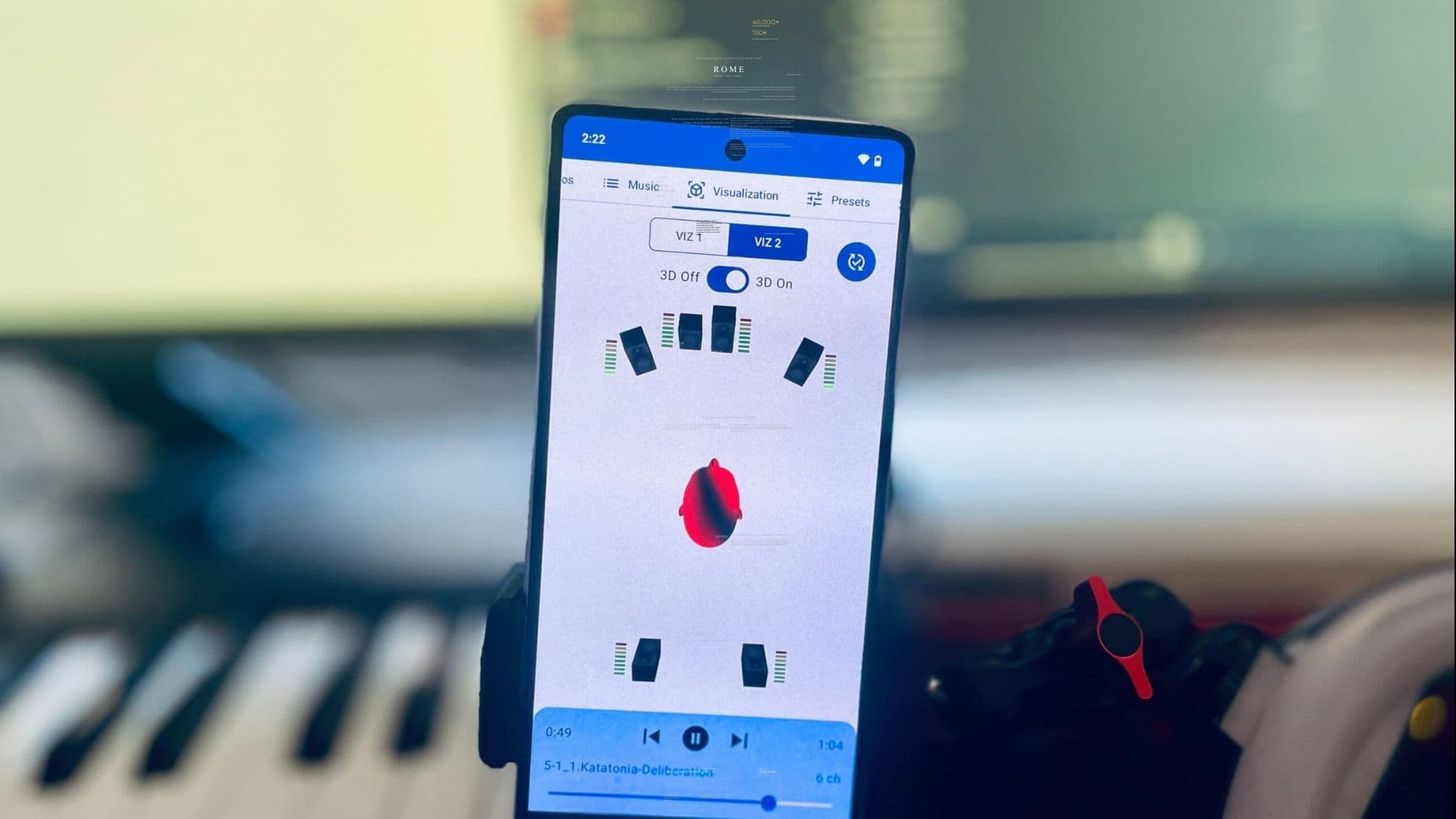
Product development. Manufacturers building spatial audio into hardware need someone who can translate what a DSP does into what a human hears from it — and who says so plainly when the difference is not audible.
Positioning. Companies with real technology and no clear answer to “for whom, and instead of what”. A feature list is not a differentiator. Neither is a specification competitors also have.
Format and architecture. Teams that have to decide between ambisonics, binaural, object-based (Dolby Atmos, ASAF) or plain stereo before a production locks the choice in. The wrong decision here is expensive later and invisible now.
Accessibility and applications beyond entertainment. Sound as an interface rather than as content: navigation, warning, orientation. Different rules, different failure modes.
Four examples
Headphone product development for a chip and IP vendor
Companies building immersive audio into products needed more than features. They had to know which of their capabilities actually change what a user hears, and how to say that without overclaiming. I translated DSP behaviour into perceptual insight, built a framework from it that the team can keep using for its own decisions, and then extended it into positioning and tuning.
“Martin is an expert in spatial audio who has a deep understanding of the technology and its impact on the listening experience. He brings a clear view of the use cases and how they will evolve in the future. And to top it off, he is a pleasure to work with!”
— Chad Lucien, VP & GM Sensors and Audio BU at Ceva, Inc
In detail at audio consulting for immersive headphone product development.
Positioning for a spatial audio technology company
A company with genuinely capable technology and a positioning problem no engineering work would solve. Every candidate for a unique selling point was a claim, not a demonstrated difference. Accurate localisation, externalisation: real capabilities, but ones competitors claim as well.
The work was not finding a better slogan. It was establishing which claims survive a real comparison, who the buyer is, and what the product replaces in that buyer’s day. A differentiator without “for whom and instead of what” is a specification, not a position.
That included mapping the competitive field honestly, including the vendors who already do parts of it well, and proposing a cheap test that answers the open question with real data rather than opinion: call the customers who already bought, and ask what the device would have to do for them to use it weekly and pay for it yearly.
Audio architecture for a 360-degree livestream platform
A platform streaming live events in 360-degree video to headsets, where sound was the last item on the list. Viewers put on a headset and use its built-in speakers. At a sports event that is survivable; at a concert it becomes the problem.
The consulting covered what gets recorded and how: binaural for the spectator perspective, ambisonics where the field has to rotate with the head, and which of the two a given event actually needs. Alongside that, the unglamorous questions that decide whether it works at all: how picture and sound stay in sync when the signal path adds delay, how the audio gets into a network streaming architecture, and what has to exist on site, from the commentary booth to someone who can move a microphone between runs.
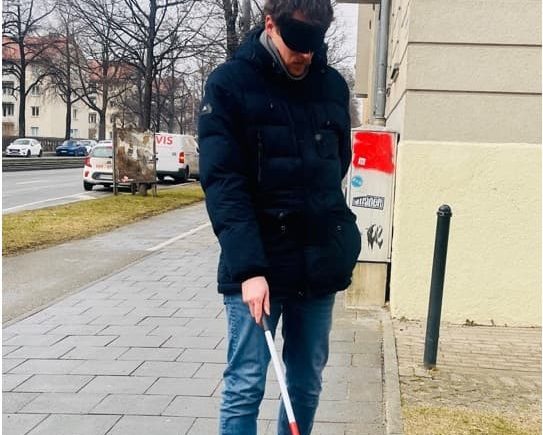
Acoustic hazard detection for an app for blind people
Sound as an interface, not as content. The most frequent question was whether it would be binaural and spatial, and the answer was deliberately no. Function before effect. What mattered was a signal understood immediately as a warning, that does not recall a pedestrian crossing or a reversing sensor, and that survives street noise without becoming irritating over time. Tested with blind users, and decided by them.
Details in the SmartAIS case.
How it works
A conversation first, unpaid. Ten to twenty minutes to establish whether the problem is one I can help with. Sometimes the answer is that you need a mixing engineer rather than a consultant, and that is a faster answer than a proposal.
Then the scope, before anything is shipped. We put down which question is to be answered and how the result will be measured. “Which format for this production”, “does this claim hold up”, “why does our prototype sound thin in comparison”. Consulting works when what stands at the end is a decision or a framework, not hours.
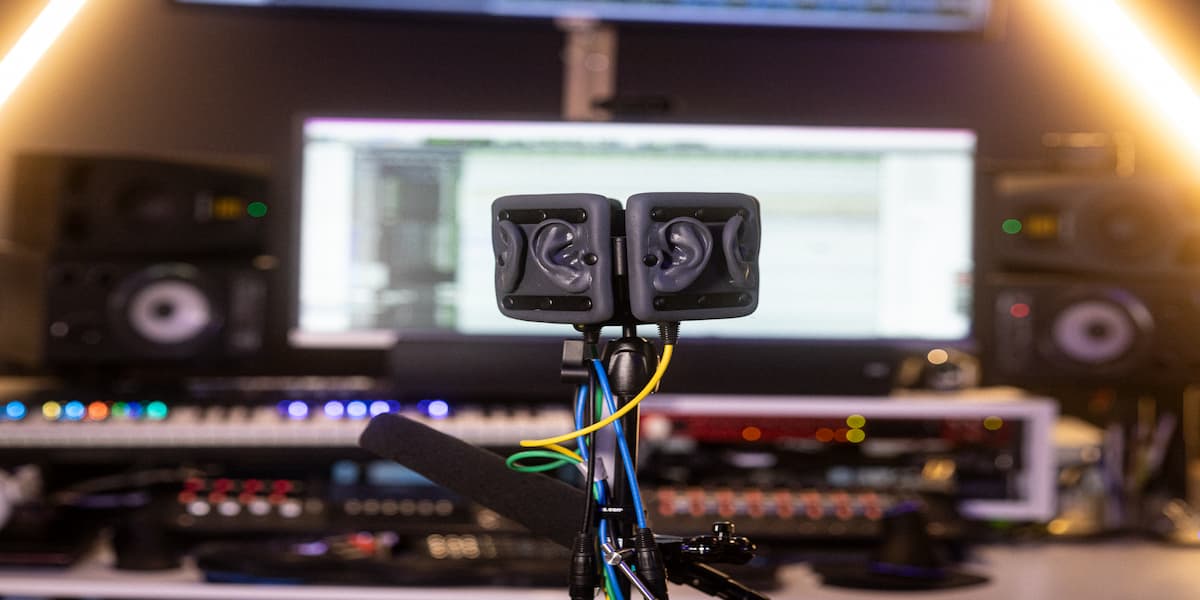
Then you send the product. Headphones, speakers, a prototype, an app, a demo build, a mix. I listen to it and use it under the same conditions as your customers, not only in the control room, and compare it against what is actually available on the market.
Feedback on four levels. Technology: what the signal path really does, and where the audible difference starts and stops. Usability: what happens on first fit, first launch, first pairing, and where people get stuck. Content: which material the product can show off and which material exposes it. Marketing: which claims survive a comparison, which ones you should drop, and which demo makes the difference audible in thirty seconds.
A written result. What we discuss ends up as something the team can use once I am gone. A framework, a recommendation, a comparison. Advice that exists only inside a call has a shelf life of about a week.
Background
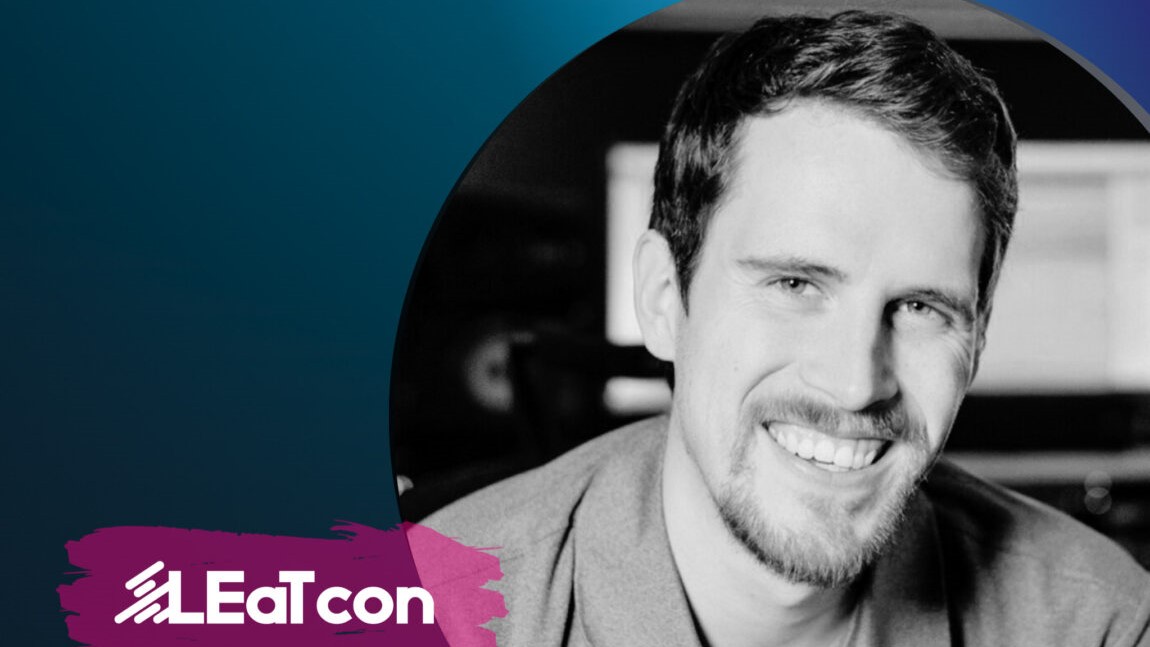
I work as a sound designer and spatial audio consultant based in Munich, for events, film, VR and installations. I teach the subject, speak about it at industry and university events, and sit on the board of the Bavarian XR association. The technical texts on this site are not marketing output, they are the same material I use in consulting. That is why there is so much of it.
If you want to see the thinking before you talk to me, what is spatial audio, spatial audio definition and HRTF are the most useful ways in.
Let’s talk about your project
Tell me which decision you are stuck on. If I am not the right person, I will say so and tell you who is.
Get in touch