
Top Sound Engineer Training Courses to Kickstart Your Career
Content
Ready to kickstart your career in sound engineering? This complete guide will break down the best sound engineer training options, what skills you’ll develop, and how to get practical experience.
We’ll also explore networking tips and how industry certifications can boost your career. Dive in to find the right path to becoming a successful sound engineer, including university programs as one of your training options.
Key Takeaways
-
A strong grasp of the science behind sound is essential, and many sound engineering courses emphasize understanding the science of sound production and perception.
-
Understanding sound fundamentals, acoustics, and audio equipment is essential for sound engineers to ensure high-quality audio recordings and live sound experiences.
-
Hands-on training, internships, and networking opportunities are crucial for building practical skills and professional connections in the sound engineering industry.
-
Earning industry certifications enhances credibility and job prospects, showcasing expertise in various aspects of sound engineering, including software proficiency and live sound management.
Foundation of Sound Engineering
Grasping the basics of sound marks the beginning of your path as a sound engineer. Sound can be understood as a wave that travels through air, and its key properties include frequency and amplitude.
Frequency determines the pitch of the sound, while amplitude affects its loudness. A solid foundation in the science of sound is crucial for aspiring sound engineers, as many sound engineering courses emphasize the importance of understanding the science behind sound production and perception.
Anyone aiming to explore sound engineering must first understand these basics.
Sound engineers need to comprehend how sound behaves in various environments.
This includes knowledge of acoustics and how sound waves interact with various surfaces. For instance, a live sound engineer needs to be aware of how sound waves reflect off walls and ceilings in a live venue to ensure optimal audio quality during a live show.
Additionally, sound engineers must be adept at using various tools and technologies, including hardware such as microphones, mixers, and speakers, to manipulate sound.
Students in sound engineering programs learn about sound system components and gain hands-on experience operating hardware platforms and equipment.
This includes understanding how to use microphones, mixing consoles, and digital audio workstations (DAWs) to capture and mix sound effectively. Mastering these essentials allows you to produce high-quality audio recordings and engaging live sound experiences.
Essential Skills for Live Sound Engineers
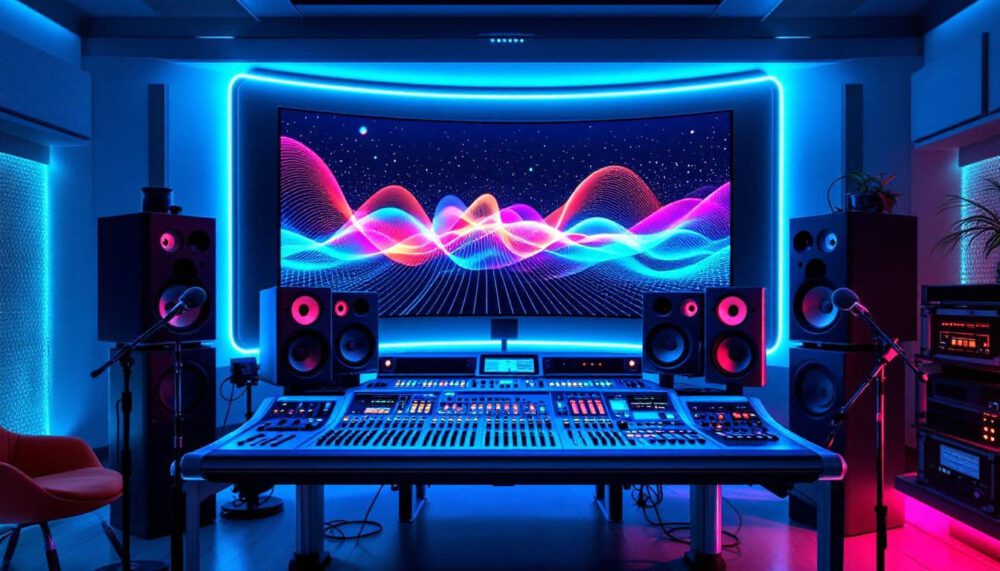
Live sound engineers must cultivate a distinct skill set tailored to live audio environments.
Using stage monitors is a crucial aspect of live sound engineering. These monitors allow musicians to hear themselves and their bandmates clearly, which is essential for maintaining performance quality.
Passive stage monitors, such as 12” monitors, are favored for their balance of size and sound, providing clear audio feedback in various performance settings.
Selecting appropriate equipment is equally important. Renowned brands like JBL and Powerwerk offer reliable and high-quality stage monitors that can withstand the rigors of live performances.
Understanding how to set up and optimize these speaker systems is vital for delivering clear and balanced sound to both the performers and the audience.
In addition to stage monitors, optimizing sound for the house—the main audience area—is crucial. Proper placement and selection of speakers ensure that the house receives the best possible sound quality, making speaker setup a key part of live sound engineering.
A live sound engineer should also manage technical aspects like microphone handling and maintaining proper gain structure to avoid signal overload. Sound engineer training programs teach students to troubleshoot and mix sound for live performance applications, preparing them for real-world challenges.
By honing these skills, you can excel in live sound engineering and create unforgettable live music experiences for audiences and musicians alike.
Hands-On Training Programs
Practical experience is invaluable in the field of sound engineering. Many graduates attribute their success to the hands-on training they received during their education. Participating in internships and challenges like the ‘Hot Seat’ and ‘Ears On’ exercises builds confidence and hones skills.
Courses like Live Event Sound Engineering offer practical assignments that apply learned concepts. These courses often include opportunities to work on live events, giving students first hand experience in managing live sound setups and troubleshooting issues in real-time.
This first hand experience frequently involves working directly with industry professionals, as seen in the Recording Connection live sound engineering program, which allows students to collaborate with music industry experts.
Networking is a vital part of hands-on training programs. Formal education programs often provide students with opportunities to interact with industry professionals through guest lectures and collaborative projects.
Internships can create lasting relationships and mentorships, often leading to job opportunities in the music industry for sound engineering students. Engaging in these programs provides practical experience and professional connections essential for career success.
Many students express that the practical, hands-on approach of sound engineering programs is more beneficial than traditional classroom learning.
Online Courses for Sound Engineers
Online courses provide a flexible and accessible approach to acquiring sound engineering skills. Many of these courses include instructional videos, hands-on tutorials, and multimedia learning materials to enhance student engagement and understanding.
The Blackbird Academy’s Live Sound Engineering program, for example, focuses entirely on experiential learning, providing students with firsthand experience under the guidance of industry mentors.
Classes are kept small to ensure that each student receives personalized attention, making the learning experience more effective and engaging.
To enroll in these courses, students are typically expected to have prior experience with a Digital Audio Workstation (DAW). This prerequisite ensures that students have a basic understanding of sound engineering principles and are ready to dive deeper into more advanced topics.
Instructors in these courses are seasoned professionals with extensive industry experience, providing valuable insights and practical knowledge. Berklee Online provides professional certificates in Sound Engineering for Live Events and general Music Production, as well as online certificates in Music Production and Sound Design, covering DAW proficiency, editing, and mixing.
Mastering.com features a 2-year “Reverse Engineer” program focusing on mastering-first, followed by mixing and production with daily mentorship.
Ongoing education is crucial for career advancement in sound engineering. Many successful professionals advocate for ongoing education and workshops to stay updated with the latest technologies and techniques in sound engineering.
Leveraging online courses helps you continuously enhance your skills and remain competitive in the evolving sound engineering field.
Industry Certifications and Credentials
Certifications validate technical skills and boost credibility for sound engineers in the job market. Various certifications cater to different aspects of sound engineering.
For instance, the Certified Sound Designer from the Game Audio Institute focuses on creating audio for interactive media like video games.
The Pro Tools User Certification demonstrates proficiency in using Pro Tools, a leading audio production software, while the Certified Technology Specialist (CTS) by AVIXA signifies expertise in managing AV solutions and projects.
Other notable certifications include the Logic Pro X Certification, which covers aspects like recording and mixing, and the Certified Audio Engineer (CAE) credential, which indicates mastery of audio engineering principles in broadcasting.
Additionally, the Waves Certification Program focuses on mastering Waves software tools for mixing and sound design, and the Certified Studio Engineer certification by AES validates expertise in studio recording and mixing practices.
The Ableton Certified Trainer program recognizes those proficient in Ableton Live and capable of teaching others.
Earning these certifications enhances your career prospects and showcases your expertise to employers.
Networking with Industry Professionals
Building a professional network in the music industry greatly enhances career opportunities for sound engineers. Being approachable and professional can open doors to collaborations and job openings.
Building genuine relationships within the industry is more impactful than merely exchanging contact information, as these connections can lead to mentorship and valuable insights for a successful music career.
Peer networking is also valuable, as classmates can become future collaborators or employers, creating a support system that benefits students throughout their careers.
Alumni often highlight the importance of networking opportunities provided by their sound engineering programs, which led to valuable industry connections.
Students at the Blackbird Academy, for instance, participate in roundtable discussions and mentoring sessions with experienced engineers from the live sound industry.
Actively participating in networking events and forging professional relationships creates a robust support network for your sound engineering career.
Success Stories of Sound Engineering Graduates
Success stories of graduates can inspire and motivate aspiring sound engineers. Several graduates have successfully transitioned into prominent roles in live sound production, leveraging their educational background to secure positions with major events.
These stories illustrate how a sound engineering education opens doors to exciting career opportunities.
Many graduates have also made significant strides in their music careers by leveraging the skills and knowledge they gained during their studies.
Their educational experiences provided them with the key skills necessary for excelling in the sound engineering field. These success stories highlight the importance of pursuing a comprehensive education in sound engineering and actively engaging in networking opportunities.
Aspiring students are encouraged to pursue their education in sound engineering to open doors to similar successful career paths. Drawing from the experiences of successful graduates provides valuable insights and inspiration for your career.
Tools and Equipment for Sound Engineers
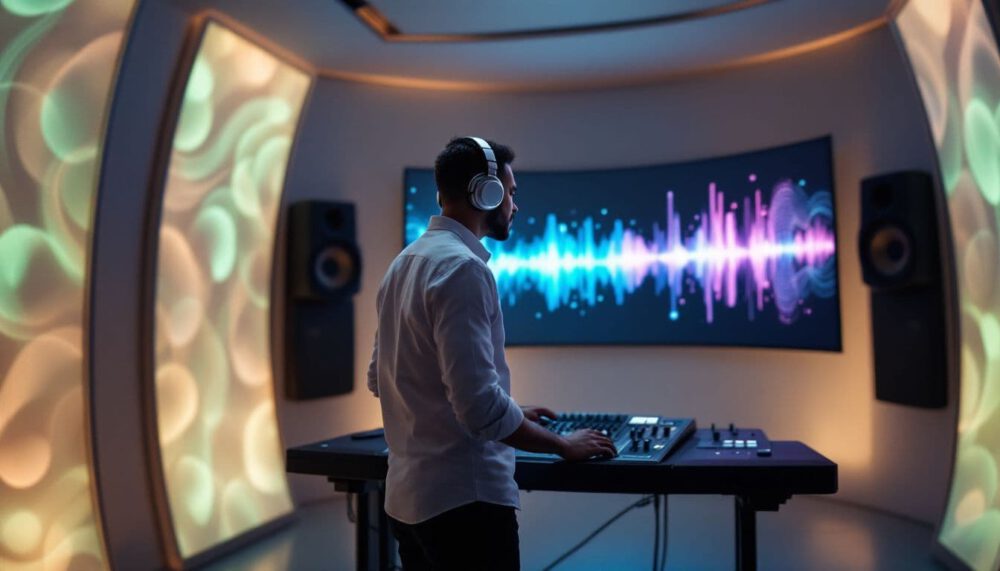
The right tools and equipment are essential for any sound engineer. An audio interface is crucial for converting analog audio signals into digital and vice versa.
A Digital Audio Workstation (DAW) is central to modern sound engineering, facilitating recording, editing, and mixing. The integration of audio interfaces, DAWs, and other hardware enhances the workflow for sound engineers, improving the quality of audio production.
Sound engineers rely on various tools and equipment to effectively manage audio processes. This includes microphones, mixing consoles, stage monitors, power amplifiers, and speakers.
Students in sound engineering programs learn about these sound system components, including microphones, mixers, and speakers, to understand their roles in different setups.
Successful sound engineers require technical expertise in audio software, signal flow, and hardware, alongside critical listening skills and problem-solving abilities.
Mastering these tools and equipment allows you to create professional-grade audio recording and live sound experiences in a recording studio that meet audience and musician expectations.
Staying updated with the latest advancements in audio technology is also crucial for maintaining a competitive edge in the field.
Tips for Succeeding in Live Sound Engineering

Success in live sound engineering requires a blend of technical skills and practical knowledge. Here are some important tips to consider:
-
Listen attentively to the venue’s acoustics and adjust the overall EQ and volume to suit the environment, especially focusing on the lead vocal. Always optimize the sound for the house, ensuring the audience area receives clear and balanced audio.
-
Select the right microphones and DI boxes for the audio source.
-
Bring personal equipment for unique situations.
-
Create space in your audio mixes to enhance clarity and separation, making each instrument and vocal distinct for a better listener experience.
-
Be able to set up, test, tune, and troubleshoot a live sound reinforcement system, including configuring PA systems, managing stage monitors, and handling real-time mixing.
Proper gain structure throughout the audio system prevents signal overload and ensures clear sound. Monitor mixing is another critical aspect, as performers rely on you to provide the sound they need for a successful show.
Familiarity with your audio equipment, including compressors and EQ types, is crucial for achieving the desired sound quality.
Staying updated with the latest audio technology can significantly impact your mixing capabilities and overall performance quality.
Understanding the similarities between live and studio mixing can also enhance your ability to deliver high-quality sound in live settings. Following these tips helps you excel in live sound engineering and create memorable live music experiences.
Summary
In summary, a successful career in sound engineering requires a complete educational pathway that covers the fundamentals of sound, hands-on training, and continuous learning through online courses and industry certifications.
Top sound engineering programs include Berklee Online, Mastering.com, Sound Academy, and Dark Horse Institute. Abbey Road Institute offers a comprehensive curriculum covering studio production, acoustics, and audio technology.
Networking with industry professionals and learning from the success stories of graduates can provide valuable insights and inspiration.
By mastering the essential tools and equipment and following practical tips for live sound engineering, you can create high-quality audio experiences and thrive in this dynamic field. Keep learning, stay connected, and let your passion for sound drive your success.
Frequently Asked Questions
What are the key properties of sound waves?
The key properties of sound waves are frequency and amplitude; frequency influences the pitch, and amplitude determines the loudness of the sound. Understanding these properties is crucial for appreciating how sound interacts with our environment.
This knowledge forms part of the science behind sound engineer training, highlighting the importance of scientific principles in audio engineering.
Why are stage monitors important in live sound engineering?
Stage monitors are essential in live sound engineering because they enable musicians to hear themselves and their bandmates clearly, ensuring optimal performance quality. Without them, coordination and timing among the performers may suffer.
What is the benefit of taking online courses for sound engineering?
Taking online courses for sound engineering provides flexible learning and personalized attention from experienced professionals, ensuring you stay current with industry advancements.
Many online courses include instructional videos and multimedia materials to enhance learning and engagement. This approach enhances your skills while accommodating your schedule.
How can certifications enhance my career as a sound engineer?
Certifications significantly enhance your career as a sound engineer by validating your technical skills and boosting your credibility in the job market. This proficiency in specific tools and technologies makes you a more competitive candidate.
What tools are essential for sound engineers?
The essential tools for sound engineers include both software and hardware, such as audio interfaces, Digital Audio Workstations (DAWs), microphones, mixing consoles, stage monitors, speakers, and power amplifiers.
These instruments are key for effective audio management and ensure high-quality sound production.