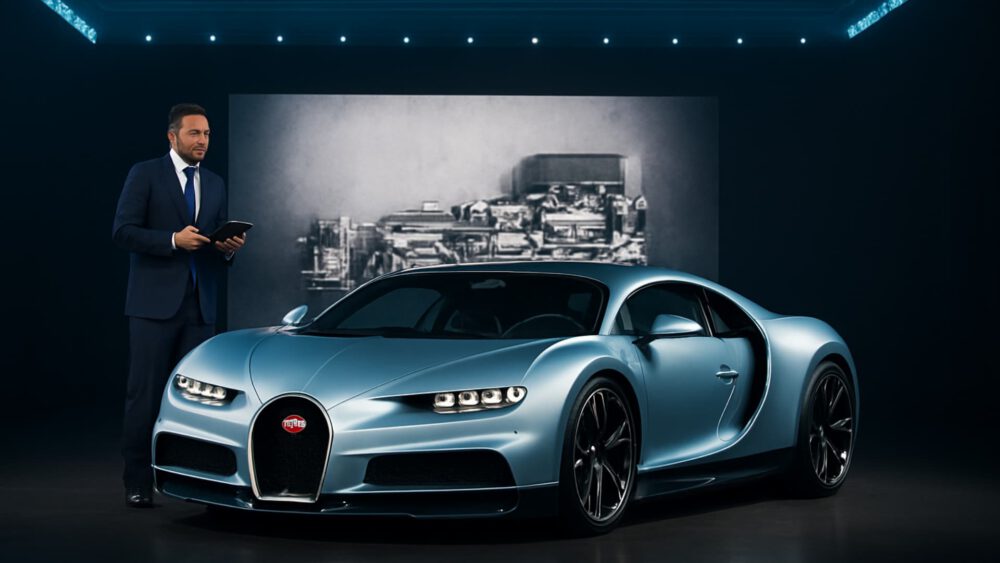
What Does a Bugatti Sound Like? 450km/h at a product launch
Sometimes, in a product presentation, the question is not what is being shown. But how to make something experienceable that nobody knows yet.
That was exactly the challenge here.
A completely new hypercar was to be presented to a small, highly exclusive audience. Among the guests were VIPs, collectors, and media representatives.
The expectations were correspondingly high. It was not simply about showing a new car. The moment was meant to feel historic. Special. The beginning of a new era.
The only problem was: the product was still unfamiliar. Nobody had any personal memories connected to it.
Nobody could say, “Ah yes, that is exactly how it sounds or drives.” There was no emotional connection yet. And that exact connection had to be created first.
A car can usually be emotionally charged through form, brand, performance, or movement. But when a vehicle has not yet truly arrived in people’s experience, it needs something else.
Something that works faster than any explanation. Something that is not first understood, but felt immediately.
For me, the answer was clear: we need sound.
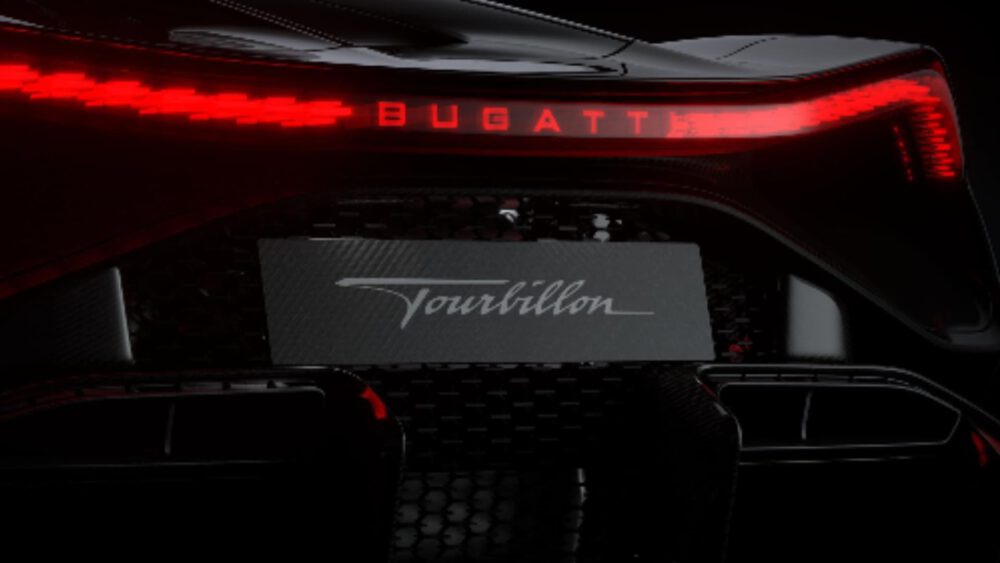
Especially with high-performance vehicles, sound is never just accompaniment. Sound is character. Sound is attitude. Sound is energy.
A powerful engine sound does not only explain performance, it makes it physically tangible. It creates attention. It stays in your head.
And within a few seconds, it creates something that other media need much longer for: presence.
The source of inspiration for the sound design and the choice of materials was clearly defined: the dynamic experiences and high-performance materials of the Bugatti vehicles themselves provided the foundation for the unique Bugatti sound and the entire design concept.
The idea therefore was not to describe the car technically. The idea was to emotionally charge the audience even before the cover drops.
Before every detail becomes visible. Before all the data is known.
People were not supposed to analyze the car first. They were supposed to feel it first.
Because when a room goes quiet because a sound pulls all attention toward itself, then that is more than a sound effect.
Then a product presentation becomes an experience.
And that was exactly what this project was about.
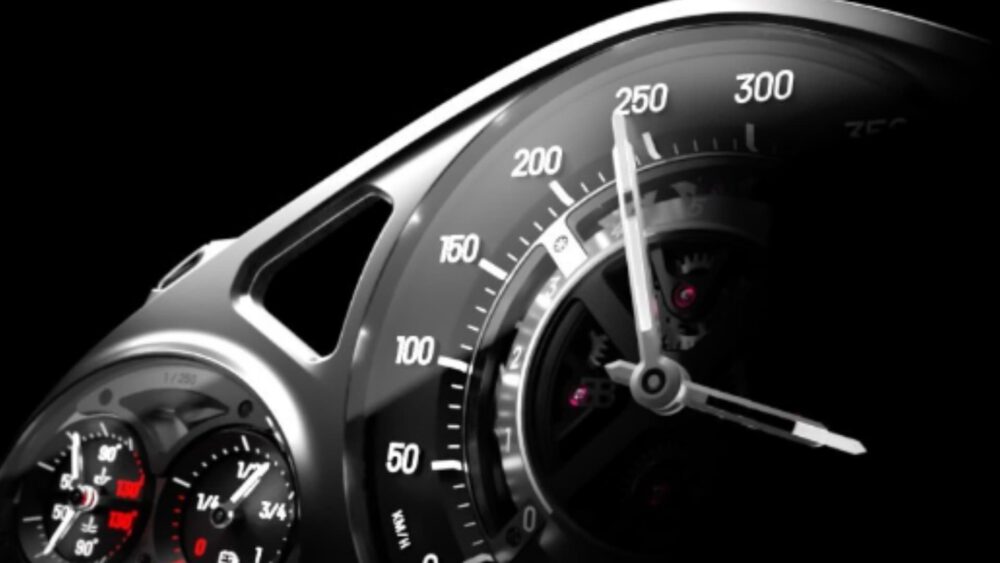
How – With real car sounds engine recordings, precise staging, and goosebumps in the room
The path there did not begin in the event space, but in Italy.
If you want to make extreme performance credibly audible, no library is enough. No generic engine sound. No fantasy assembled afterward.
It had to be real. Direct. Physical. Close to the machine.
So I traveled to Italy and made original recordings under real conditions. The microphones were placed on the test bench.
The goal was to capture the enormous force of this powertrain in such a way that it would later feel not only loud, but meaningful.
You cannot simply tell someone what 450 km/h means. You have to find a form in which this dimension becomes acoustically tangible. Not as a technical number, but as a physical sensation.
So the sound had to do more than mere documentation. It had to translate speed, density, and force.
For that, the microphone setup was crucial.
Depending on where a microphone is placed, it tells a different truth about the engine. Close up, you hear aggression, friction, pressure, and mechanical presence.
Further away, you hear more room, more of the whole picture, more movement. For this production, it was about combining both levels intelligently.
The sound was meant to be big, but not artificial. Precise, but not sterile. Raw, but still controlled.
From these recordings, a sound design later emerged that not only depicted the extreme performance of the engine, but also shaped it dramaturgically.
The sound was not simply played back like a track in the background. It became the supporting element of the staging.
That was the decisive step.
The sound set the emotional frame. It created tension. It built anticipation.
It made the moment heavy. Almost physical. Even before the car became visible, it was clear: something big is about to happen here.
But this charge only worked because sound, light, choreography, and movement were precisely coordinated with one another.
The dramaturgy followed a clear principle: tension, compression, release.
At the beginning, there was restraint. Then energy entered.
The sound opened up. Became bigger. More powerful. Anticipation became audible. The audience noticed: something is building.
And at exactly the right moment, the release came.
This transition was decisive. Because a reveal does not work only through visibility.
It works through timing. If the sound has already tightened the nerves beforehand, the visual moment hits very differently.
Then you do not simply see a new product. Then you experience its arrival.
The result was tangible.
Even before the audience could fully grasp the car, the emotional reaction was already there. Attention was there. Tension was there. Connection was there.
The sound had prepared something that words alone could not have achieved.
And that was exactly the strength of this approach: not to explain, but to let people feel in advance.
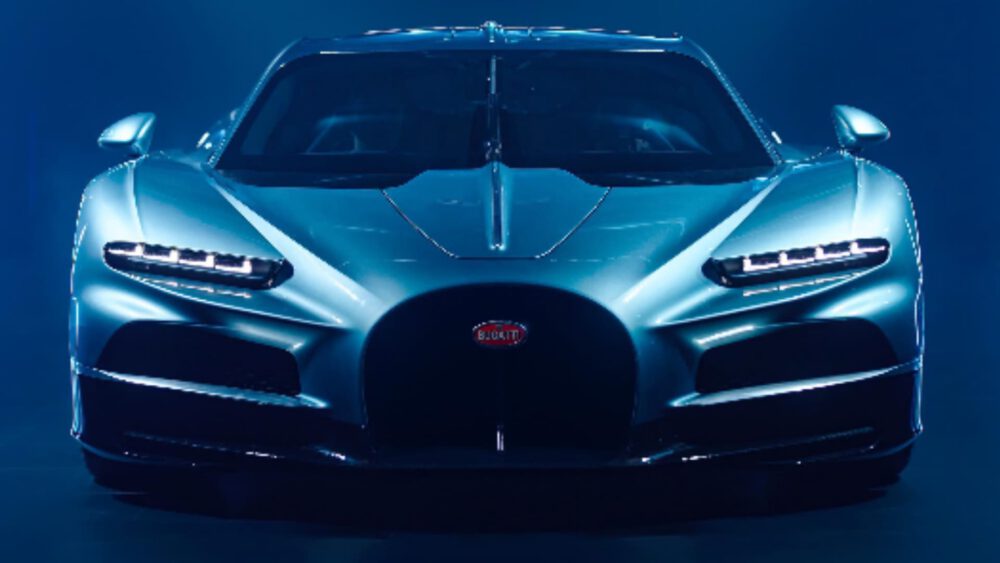
What – From a reveal video to an emotional event with impact far beyond the room
In the end, what emerged was not a classic product presentation.
What emerged was a moment that people in the room did not just see, but physically experienced.
The sound of the 1000+ horsepower engine became the emotional entry point into a new automotive world. It created immediate attention.
It focused the attention of the entire audience on the decisive moment. And it ensured that the connection to the product did not arise only after rational understanding, but already beforehand.
Even before every detail was clear, the feeling was already there.
That is exactly what made the presentation so effective.
Instead of simply communicating information about a new hypercar, an atmosphere was created in which the vehicle felt like a historic turning point. Not simply new. But significant.
The room reacted to it.
There were goosebumps. Total concentration. That rare moment when you realize that an audience is not just looking, but is truly present. That for one moment, everyone is feeling the same thing.
For me, that is always a sign that staging has worked.
Because good staging does not merely create attention. It creates memory.
And that was exactly where the second strength of this project lay: the moment did not remain limited to the event itself.
The material could be reused far beyond the presentation itself.
The sound that worked so strongly on site also became the carrier of the story on social media. The physical launch became a scalable moment.
One video with my sound reached around five million views. The Eventfilm went significantly further and reached around fifteen million views.
That shows that the idea did not only work in the exclusive room with a few invited guests, but also in the digital context.
That is a decisive point today.
A launch no longer lives only from what happens in the room. It also lives from how well its emotional energy can be translated into content.
And that is exactly what happened here.
An acoustically staged reveal became an event with reach. A moment that could be extended from the live experience into digital communication without losing its impact.
For me, this project shows very clearly what sound can achieve in brand and product staging.
If a product is still unknown, sound can be the first point of access. If expectations are extremely high, sound can help create the right emotional temperature in the room.
And if a reveal is meant to be more than a beautiful shell and good lighting, then audio can be the element that holds everything together.
In the end, this was not only about a car.
It was about how to make something audible that nobody knows yet.
And how to make sure, with the right sound, that it still sticks immediately.
Working on automotive or showroom audio? Let’s talk.
OEM requirements + showroom acoustics — I know it from BMW, Audi, Bugatti.
Get in touch