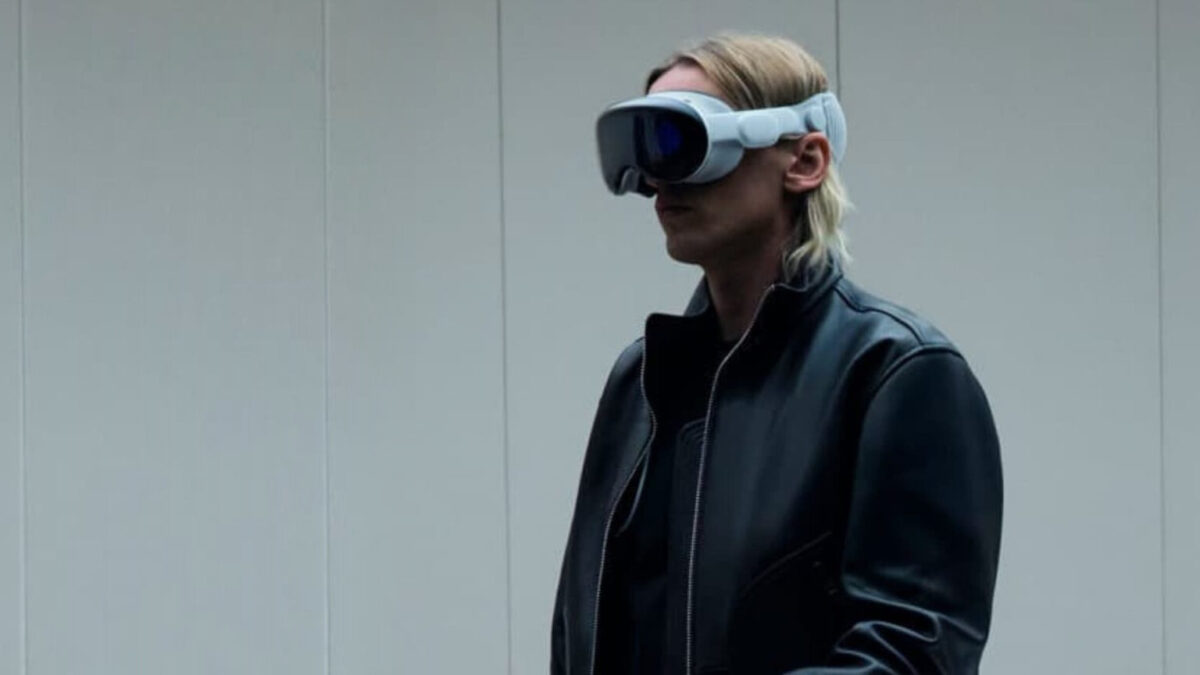
Formula 1 for BOSS x Aston Martin – Virtual Reality Store Marketing
Why a Formula 1 sound is not simply sound: the role of spatial audio
A Formula 1 car from half a meter away is not simply loud.
It is pressure.
The body reacts before the brain even understands what is happening. The chest tightens. The teeth vibrate. The whole body feels that something extreme is happening here.
Exactly this quality is missing in many digital experiences.
XR, VR, or spatial experiences often look impressive. They are visually elaborate. They are technically cleanly built.
But as soon as the sound cannot keep up, the illusion collapses. Then everything feels like content. Like a simulation. Like something you watch, but do not really experience.
For me, that is exactly where the decisive difference lies.
When sound is physically credible, the entire experience changes. Then a digital experience no longer feels like a presentation. Then it begins to feel like reality.
That was exactly the task in this project.
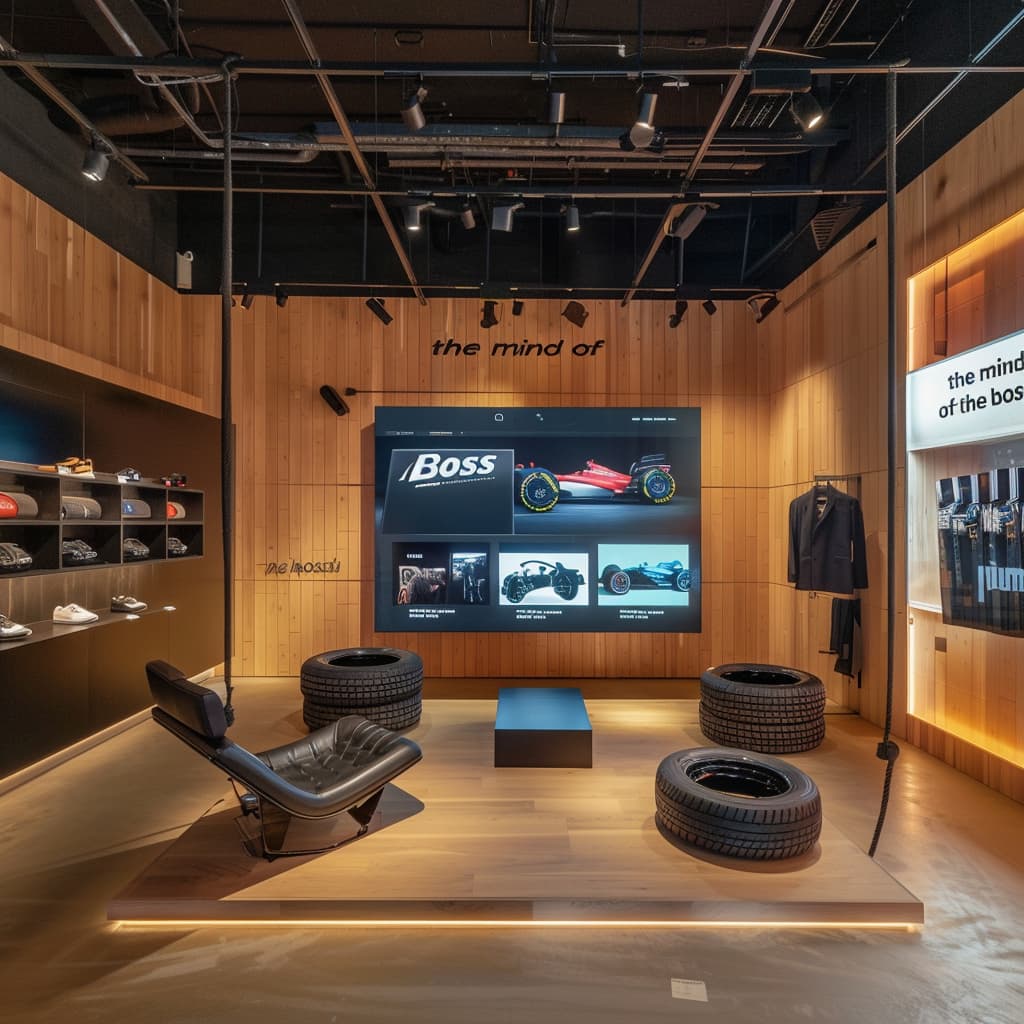
For BOSS x Aston Martin Aramco Formula One™ Team, an immersive experience for the Apple Vision Pro was to be created. It combines fashion, performance, and new technology.
But at its core, it was about something very simple: not just letting people watch, but pulling them emotionally and physically into this world.
The development and implementation of such VR events and experiences often takes place in close collaboration with partners from technology and retail, who as strategic partners make innovative solutions possible.
Immersive retail experiences are being transformed by technologies like AR and VR, enabling brands to create engaging environments that enhance the customer experience and set new standards for interactive retail experiences.
The idea behind these projects is to create immersive and innovative experiences for participants that become ever more realistic and impressive through the rapid pace of technological development.
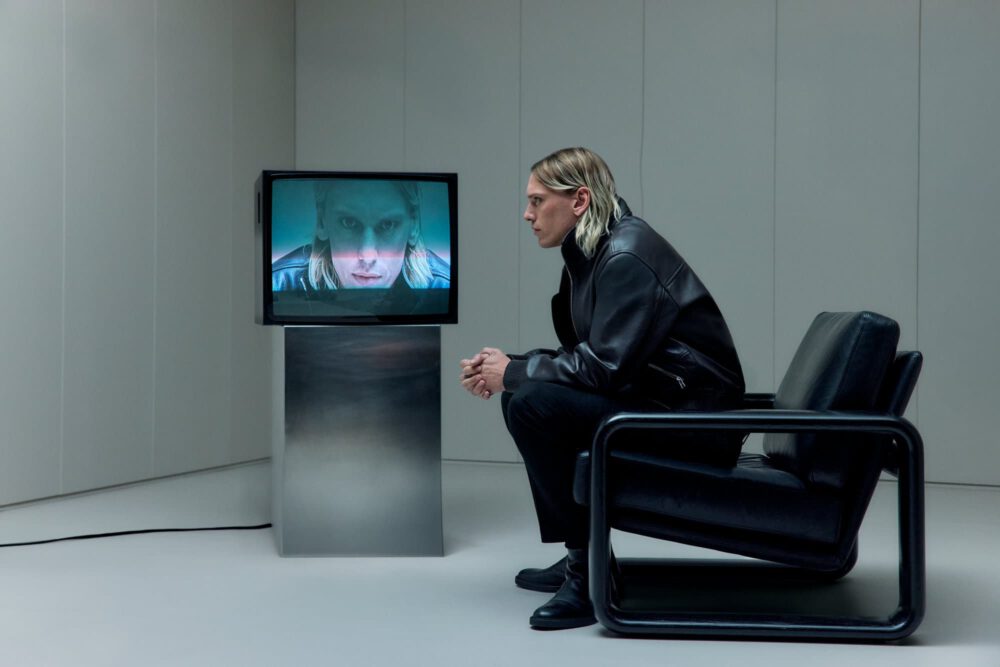
HUGO BOSS describes it as: “Step inside the mind of a BOSS.”
And for exactly that reason, the sound had to do more than simply illustrate motorsport.
It had to transport.
Not simulate a race. But put people into this state. Into this intensity. Into this proximity to the machine. Into this mixture of control, speed, and danger.
Because Formula 1 is not acoustically elegant. It is brutally precise.
And if you really want to capture that energy, it is not enough to take just any engine sound from a library. Then you have to go where the sound is actually created.
How raw speed becomes a spatial experience through virtual reality
The most difficult part of this project did not begin in the computer, but directly at the source.
Recording a Formula 1 car is not a comfortable recording job. It is not about perfect studio conditions. It is about the signal chain surviving at all.
Extreme volume, air turbulence, vibrations, abrupt energy changes — every microphone is working at its limit in such an environment.
That is exactly what makes the task so demanding. Because precisely where everything almost becomes too much, the decisive sound is also created.
Not just the engine itself. But also the gear shifts. The air. The movement. The resonances. The hardness of the entire system.
All of these elements together create what we perceive as the “Formula 1 feeling.”
My goal was therefore not simply to record a loud car. I wanted to capture the raw, physical energy of this vehicle in such a way that it could later be experienced again in a controlled, spatial playback in a credible way.
That sounds easier than it is.
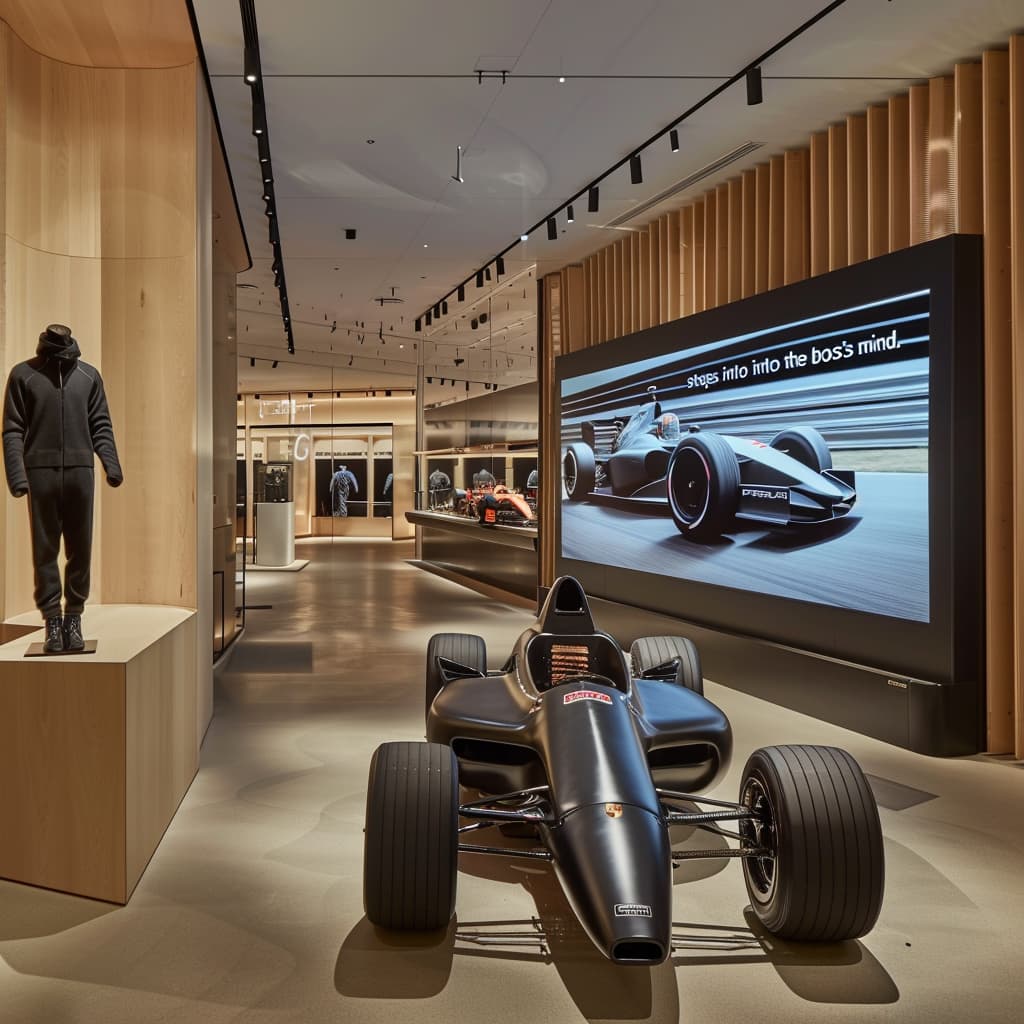
Because what feels overwhelming and chaotic on site must later be translated for the Apple Vision Pro in such a way that it remains powerful, but can still be played back safely and precisely.
The Apple Vision Pro interacts with the user’s real environment, blending digital and physical elements so that the immersive audio feels naturally integrated.
It must not tip into something unpleasant. It must not be merely loud. It must remain intelligible. It must become spatially readable.
This is exactly where the actual design begins.
I take this raw acoustic energy and transfer it into a spatial system. Not as an effect. Not as a show gimmick. But as precise work with direction, distance, and pressure.
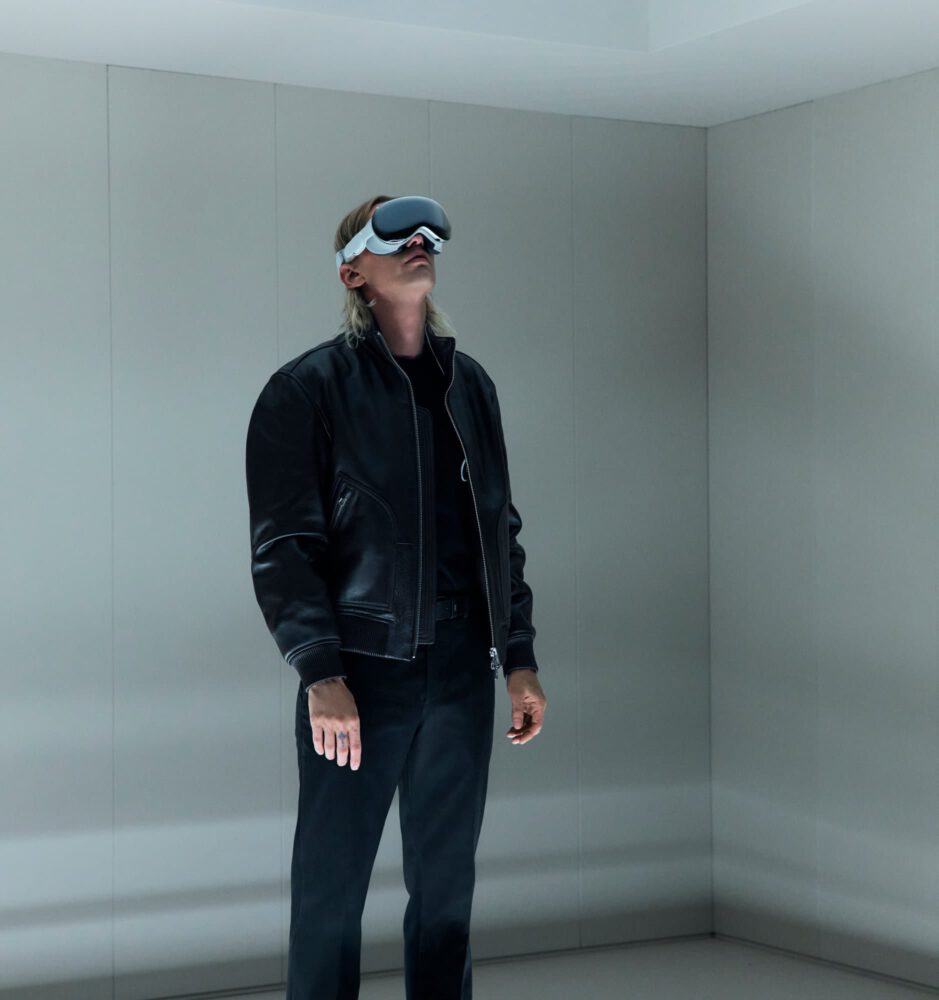
The Apple Vision Pro offers a special stage for this. Through headtracking and binaural playback, sound can be positioned in such a way that the brain accepts it as credible.
The device integrates digital content directly into the user’s space, using its two displays to create a seamless and immersive experience that enhances the sense of presence.
When the spatial information is right, something very exciting happens: the listener no longer thinks about technology. They simply react.
The ear says: That is in front. That is coming from the right. That is near. That is fast. That is real.
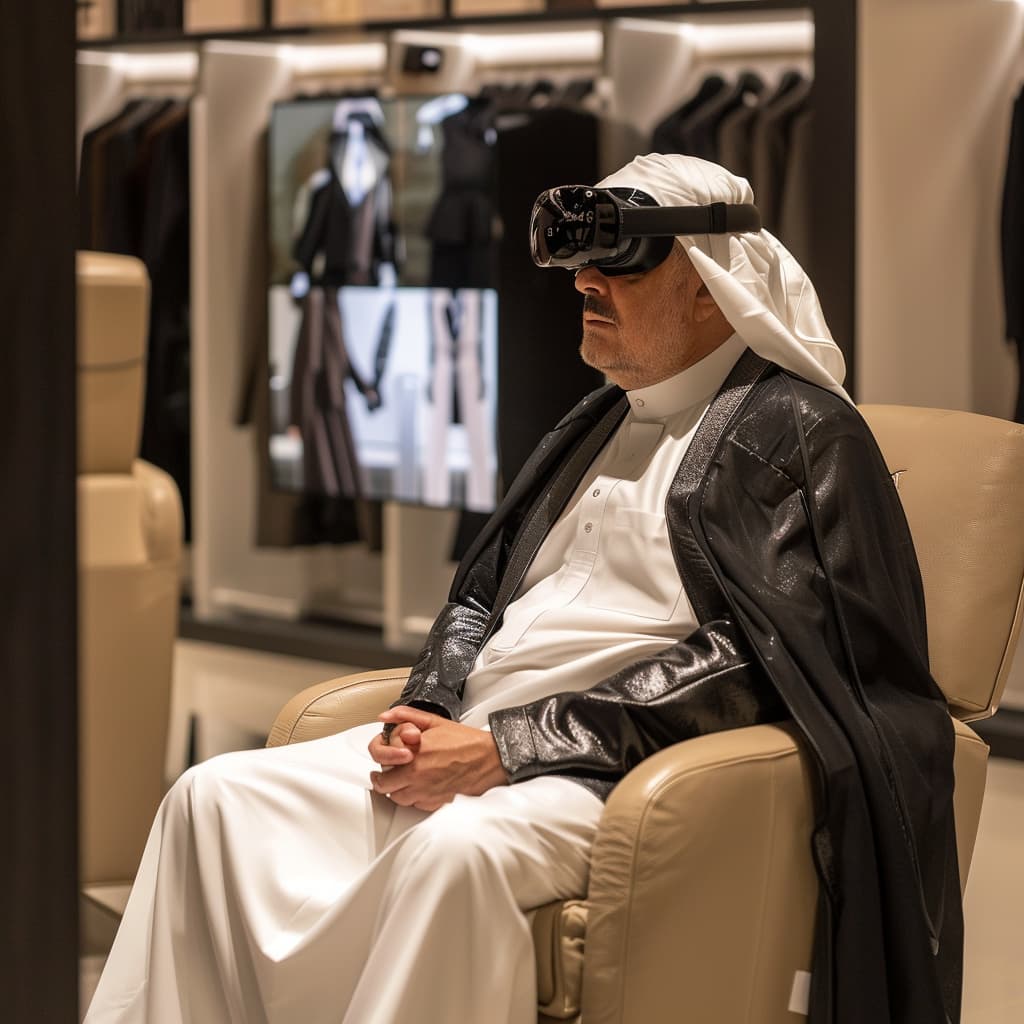
The experience itself was designed as a multi-stage journey. It was not about a simple showroom moment, but about a curated path through different stations.
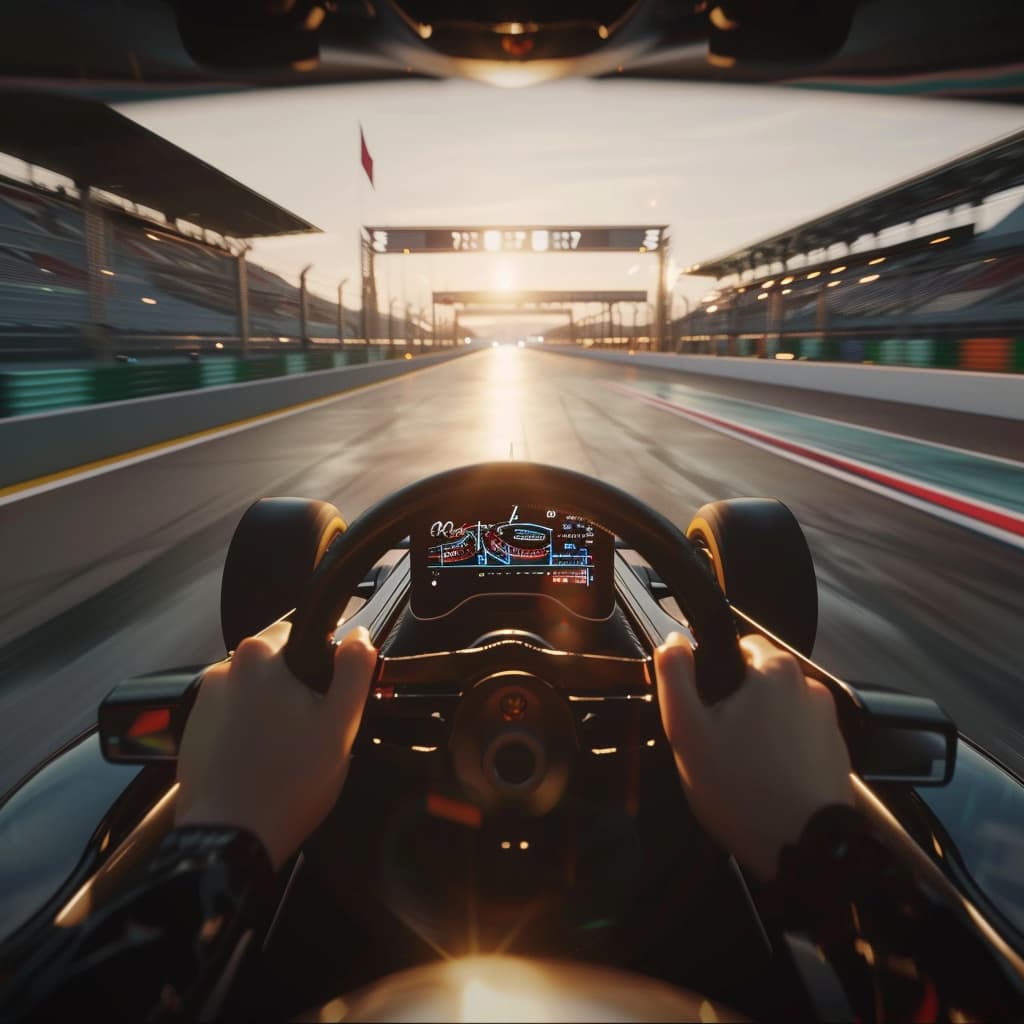
This included visual tasks, spatial interaction, and a finale that culminates in a test-lap perspective in the cockpit. Immersive environments like this can help users understand complex data by visualizing intricate information in a more accessible and engaging way.
The sound had to carry this journey.
Not only in the finale, but throughout the entire experience.
It had to build tension. Provide orientation. Direct focus. And in the end deliver exactly the immersion that turns a beautiful XR application into a real experience.
Technically, the experience was developed natively for the Vision Pro, among other things with spatial computing, real-time rendering, and immersive audio. But these terms alone do not yet create an experience. What is decisive is how well all levels work together.
Image, interaction, and sound must tell the same truth.
What was created in the end with Apple Vision Pro
The result is an immersive audio experience for brand communication, retail, and spatial computing.
For BOSS x Aston Martin Aramco Formula One™ Team, an Apple Vision Pro experience was created that brings together fashion, high performance, and new technology. In official texts, it is deliberately emphasized that the goal is not simply to simulate a race, but to emotionally transport fans and visitors into this world.
And that is exactly what was achieved.
The experience leads visitors through several phases. It works with visual target acquisition, spatial tasks, and a final test lap from the cockpit perspective. The sound of the AMR25 plays a central role in this. It is not background. It is the carrier of immersion.
Every acceleration, every gear shift, every movement of the vehicle gets a place in the room. The sound does not simply sit “on top of” the image. It makes the image credible. It anchors the experience in the body.
Precisely in combination with the Apple Vision Pro, something emerges that goes far beyond classic brand staging. The audience does not just experience a story about performance. It experiences performance itself.
For me, this project is therefore a very clear example of what immersive audio work can achieve today.
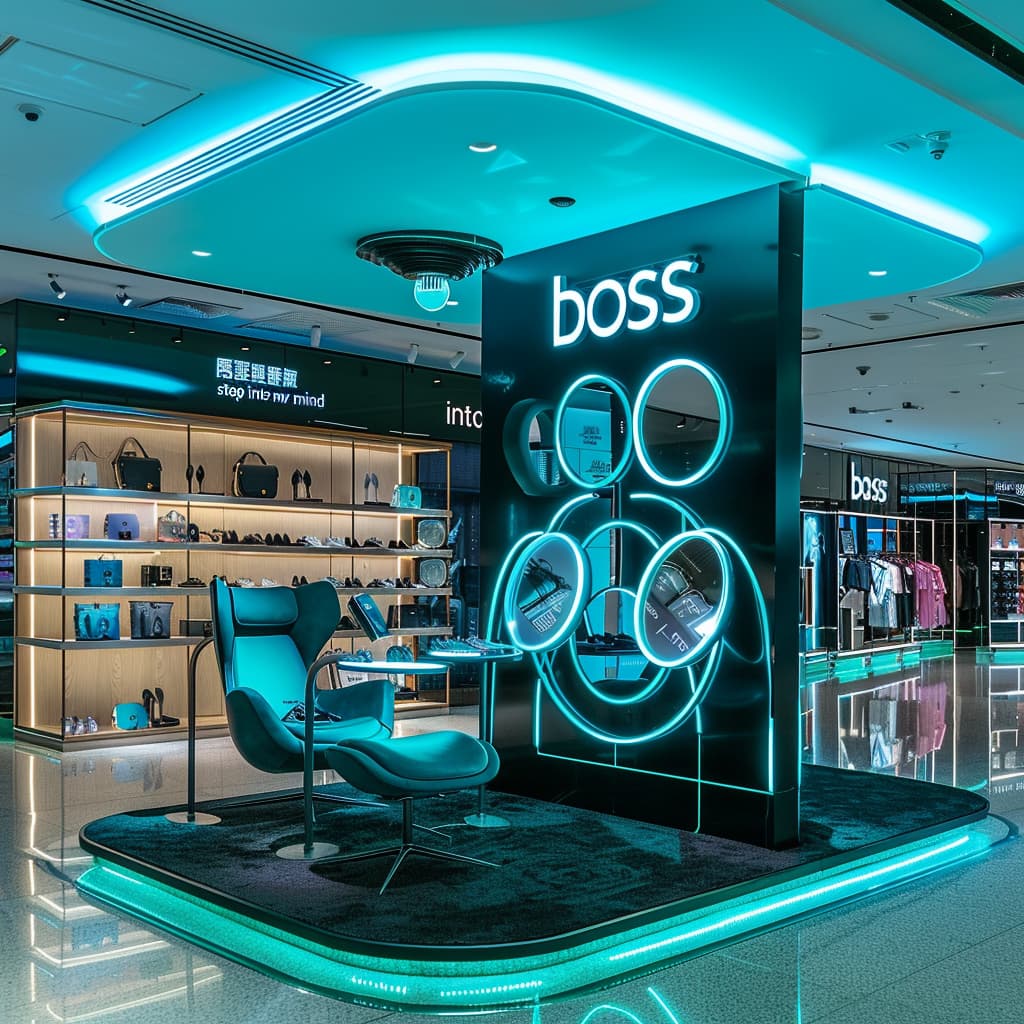
I develop such experiences from recording under extreme conditions to the final spatial mix for platforms like the Apple Vision Pro. That means: from the first microphone at the scene of the action to the final decision in the spatial mix.
In the ideal case, what remains in the end is exactly what was created here:
An experience that does not feel like a technical demo.
But like a moment in which you are really there.
Not as a spectator.
But right in the middle of it.
Planning a VR or 360° project? Let’s talk.
VR needs sound that enhances immersion, not breaks it.
Get in touch