Make an Audio: Top Online Tools and Courses to Get Started
Content
Want to make an audio? This article will walk you through the essential tools, top courses, and practical tips needed for high-quality audio creation, whether it’s music, podcasts, or other projects.
If you specifically want to learn 3D audio: There is my own spatial audio course for immersive media.
Key Takeaways
-
Investing in essential audio tools like a quality microphone, reliable audio editor, and understanding audio formats is vital for professional audio production.
-
Free online courses and specialized training programs offer valuable resources for both beginners and advanced producers to elevate their audio production skills.
-
Engaging with communities, seeking feedback, and tracking progress through software are important strategies for continuous improvement in audio production.
Essential Tools for Making Audio
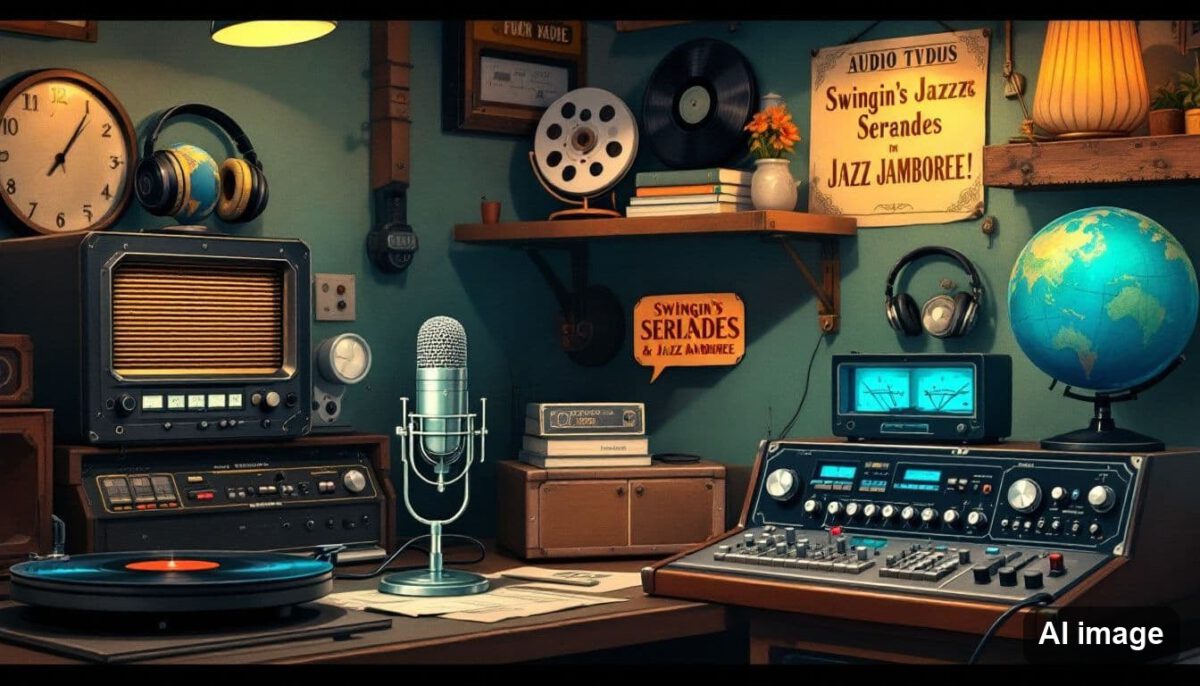
Quality gear that grows with your needs is recommended for long-term success in audio production. Key tools include a reliable audio editor, a high-quality microphone, and a strong grasp of various audio file formats. These tools are fundamental for creating professional-grade content, whether it’s music, podcasts, or audiobooks.
The right audio editor is essential for high-quality audio production. The type of microphone you choose greatly affects the clarity and richness of your recordings. Audio file formats impact both quality and compatibility of your audio files.
Let’s dive deeper into each of these components to help you make informed choices.
Choosing the Right Audio Editor
Choosing an appropriate audio editor is a key step in your audio production journey. Audacity, for instance, is a popular free audio editor known for its user-friendly interface and basic editing features, making it ideal for beginners. For those seeking more advanced capabilities, Pro Tools is a favored choice among professionals due to its comprehensive editing tools and advanced features. This software is particularly useful for those involved in intricate audio engineering tasks.
Premiere Pro, primarily known for video editing, also offers powerful audio editing tools, complemented by Adobe Audition’s advanced capabilities like the Spectral Frequency Display. Each editor offers unique strengths, and selecting the right one can greatly enhance your workflow and audio quality.
Best Microphones for Recording
Microphones form the cornerstone of any recording setup. Dynamic microphones are excellent for capturing loud sound sources, such as live music performances, due to their durability and ability to handle high sound pressure levels. On the other hand, condenser microphones are preferred for recording vocals and acoustic instruments, thanks to their sensitivity and ability to capture detailed sound.
USB microphones provide a convenient, cost-effective solution for home studios with easy plug-and-play functionality. The right microphone is essential for achieving top sound quality in various audio projects, be it podcasts or music production.
Audio File Formats Explained
Grasping audio file formats is vital for any audio producer. MP3 files, for example, are compressed and suitable for casual listening, but they sacrifice some audio quality in the process. WAV files, in contrast, are uncompressed and offer high quality, making them ideal for professional use despite their larger file sizes.
FLAC files strike a balance by providing lossless compression, maintaining the original audio quality while saving space. Using the appropriate format can greatly impact the quality and efficiency of your audio projects, ensuring optimal sound delivery to your audience.
Free Online Courses for Audio Production
Free online courses are a fantastic way to dive into the world of audio production without a significant financial investment. They offer a variety of learning opportunities, from foundational concepts to advanced techniques, catering to different skill levels. For beginners, platforms like Coursera offer free courses such as ‘Introduction to Music Production,’ which covers the basics of music creation. YouTube channels like ‘Point Blank Music School’ also provide comprehensive lessons on various aspects of audio production.
They provide invaluable skills, insights, and techniques to elevate your audio production capabilities. Whether you’re just starting or looking to refine your skills, there’s a wealth of free resources available to help you on your journey.
Beginner Courses
Beginner courses are crucial for those new to audio production, providing a solid foundation. SoundGym, for example, offers beginner-friendly programs that introduce essential concepts, equipment setup, and basic editing techniques. Proper audio equipment setup is vital for producing high-quality audio.
They cover the basics every audio producer should master, offering a strong starting point for further learning. These skills allow beginners to confidently progress to advanced topics, assured of their grasp on the fundamentals.
Advanced Training Programs
After mastering the basics, advanced training programs refine your skills and broaden your knowledge. They explore in-depth topics like sound design, mixing techniques, and mastering processes. Advanced courses enable you to master intricate techniques necessary for professional-grade audio production.
These programs boost the quality and creativity of your audio projects, preparing you for complex and demanding tasks. For those serious about advancing their audio production, advanced training is essential.
Specialized Courses
Specialized courses offer in-depth knowledge and skills in niche areas of audio production. For instance, SoundGym offers a course that covers live sound engineering, podcast production, and sound effects design. They provide targeted training in specific fields that general courses might overlook.
Specialized courses provide the expertise needed to excel in areas like live sound engineering or sound effects creation. These courses offer a unique opportunity to deepen your knowledge and expand your skill set in specific aspects of audio production.
Practical Tips for Creating High-Quality Audio
High-quality audio creation involves not just the right tools, but also practical knowledge and techniques to optimize your recordings. From setting up your recording space to mastering editing techniques and enhancing sound with effects, these tips aim to help you produce the highest-quality audio.
Setting Up Your Recording Space
A well-optimized recording environment is vital for improving audio quality. The purpose of your studio and the available physical space are key factors in setup decisions. Smaller rooms can negatively affect recording quality, making it important to choose an appropriate space.
Positioning the microphone 3-5 inches from the speaker optimizes sound clarity and minimizes background noise. Using pop filters eliminates plosives, ensuring cleaner audio recordings. Proper gain settings prevent distorted or unclear audio.
Mastering Audio Editing Techniques
Techniques like noise reduction, equalization (EQ), and audio normalization can greatly enhance recording quality. Noise reduction eliminates unwanted sounds, while EQ adjusts frequencies for better clarity. Such techniques are vital for achieving balanced and consistent audio output.
Mastering these skills often requires advanced courses on complex topics like sound design, mixing, and mastering processes, including a master class. These techniques ensure your audio projects are polished and professional.
Enhancing Sound with Effects
Careful application of sound effects adds depth and interest to your audio productions. High-quality effects and plugins elevate overall production quality, making your projects stand out.
Experimenting with effects helps you discover unique sounds that enhance your recordings. For music, podcasts, or audiobooks, the right effects can transform a good audio project into a great one.
Community and Feedback
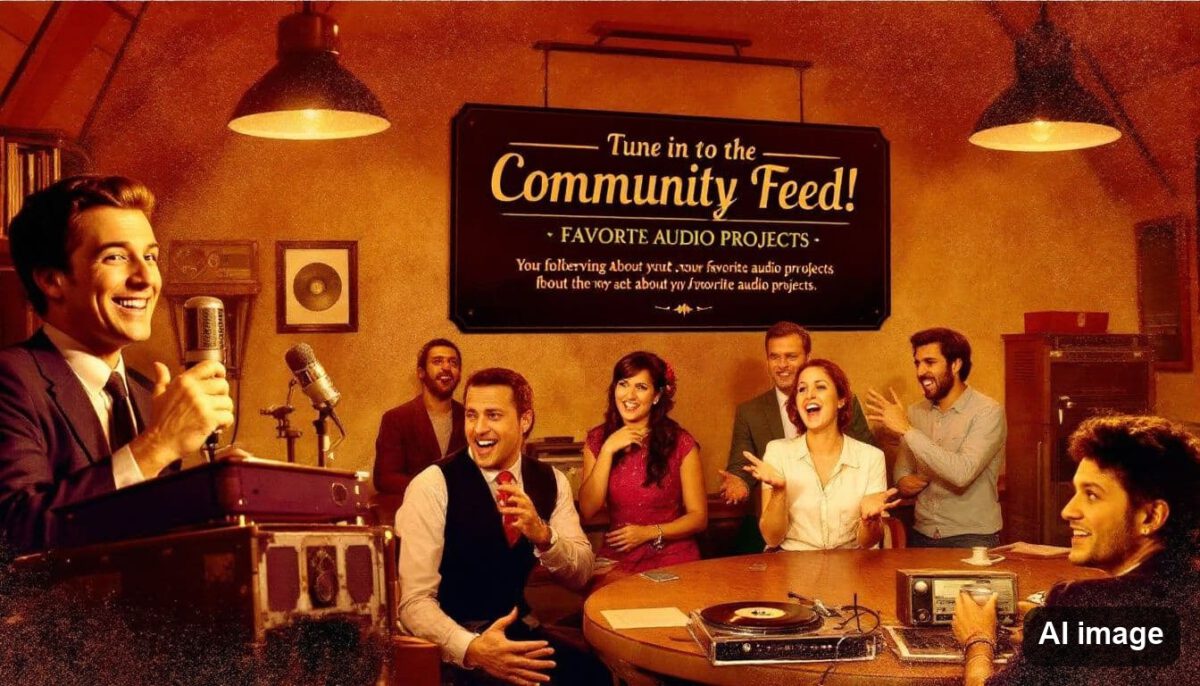
Engaging with a community and seeking feedback are vital for improving your audio production skills. Regular project reviews and constructive criticism help identify strengths and areas for improvement.
Maintaining a clear progress tracking system is essential for continual growth.
Online Forums and Groups
Platforms like SoundGym provide spaces for users to upload mixes and receive community feedback. Platforms like Gearslutz and Sound On Sound forums offer spaces for audio engineers to share work and receive critiques.
Reddit communities, such as r/EDMProduction, are popular for sharing production tips and receiving feedback on tracks. Engaging with online forums can significantly improve your skills through consistent feedback and collaboration.
Participating in Challenges and Competitions
Online challenges offer a great way to practice and enhance online audio production skills while gaining exposure. Challenges often focus on specific aspects like mixing or sound design, helping you create targeted skills.
Competitions, ranging from local to global, offer opportunities to demonstrate skills and gain recognition or awards. Engaging in challenges and competitions offers opportunities to learn from others, receive feedback, and grow as a creator.
Tracking and Analyzing Progress
Tracking progress in audio production helps you see how far you’ve come and identify areas needing improvement. Software tools and achievable goals are effective for monitoring growth and ensuring continuous improvement.
Using Software to Monitor Progress
Specialized software can streamline tracking your learning milestones and production outcomes. These tools often offer visual progress representations, making it easier to stay organized and motivated.
Regularly reviewing progress allows you to assess growth, identify skill gaps, and adjust your learning path accordingly.
Setting Achievable Goals
Setting SMART goals—specific, measurable, attainable, relevant, and time-bound—ensures clear, achievable objectives. This approach boosts motivation and makes success easier to measure with tangible benchmarks.
Achievable goals are crucial in audio production for maintaining motivation and tracking progress effectively. Clear targets help you focus efforts and celebrate achievements along the way.
Summary
In summary, starting in audio production involves understanding and utilizing essential tools, taking advantage of free online courses, applying practical tips, engaging with the community, and tracking your progress. By following this comprehensive guide, you can embark on a successful audio production journey, continuously improving and creating high-quality audio projects.
Frequently Asked Questions
What are the best free online courses for beginners in audio production?
Consider taking the ‘Introduction to Music Production’ course on Coursera and exploring lessons from ‘Point Blank Music School’ on YouTube for solid foundational knowledge in audio production.
How can I choose the right audio editor for my needs?
Choose an audio editor that aligns with your skill level and specific needs; for beginners, Audacity is ideal, while professionals may prefer the advanced features of Pro Tools or Adobe Audition.
What type of microphone should I use for recording vocals?
For recording vocals, a condenser microphone is the best choice because it offers exceptional sensitivity and detail in sound capture.
How can I improve the sound quality of my recordings?
To improve the sound quality of your recordings, optimize your recording space, ensure proper microphone placement, and utilize advanced editing techniques such as noise reduction and EQ. These steps will significantly enhance the clarity and overall quality of your audio.
Why is community feedback important in audio production?
Community feedback is crucial in audio production as it offers diverse perspectives and constructive criticism, enabling you to identify both strengths and areas for improvement effectively. This collaborative input ultimately enhances the quality of your work.
Related Articles
Exploring the Spatial Audio Demo: A Journey Through Sound Innovation