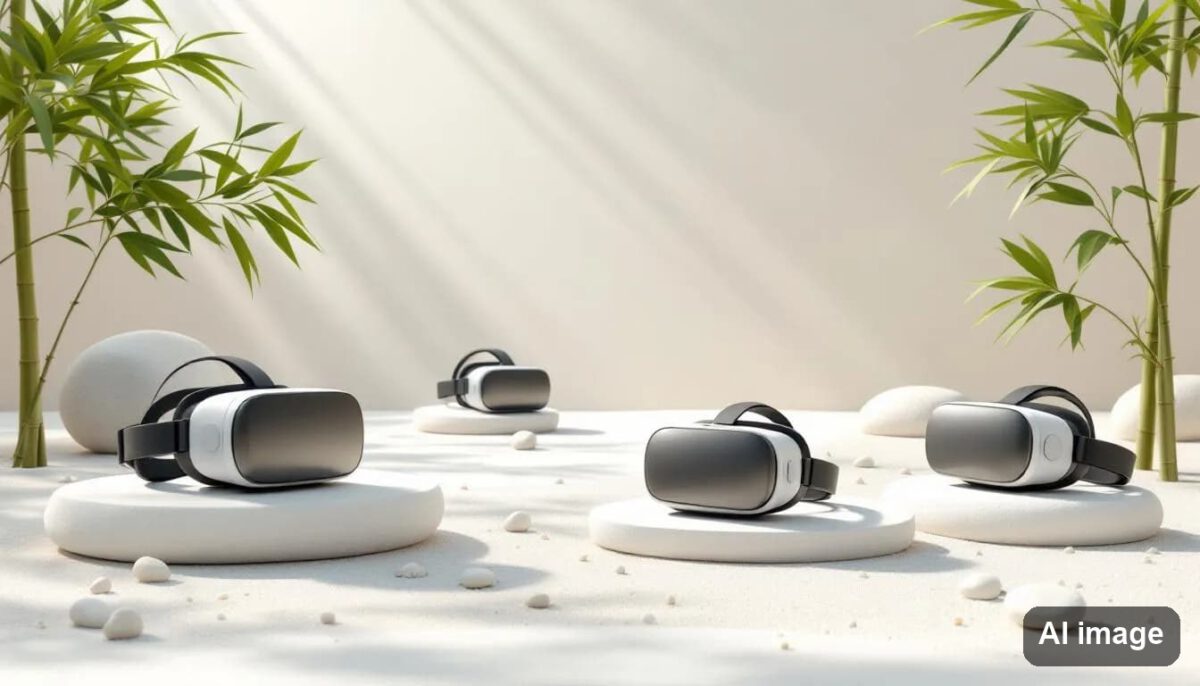
Deep Relaxation with VR Meditation: More Mindfulness in Everyday Life
Content
Virtual Reality meditation uses technology to support deep relaxation and stress relief. But how exactly does it work? VR meditation experiences are specifically designed to enhance overall wellbeing by combining immersive visuals and audio to facilitate relaxation, concentration, and mindfulness. This article explains the benefits and shows which VR headsets and apps you need to get started. Discover how VR meditation can transform your mindfulness practice through a variety of immersive meditations.
Key Takeaways
-
Virtual Reality meditation offers an immersive experience that boosts mindfulness and reduces stress by letting you step into calming, distraction-free environments, often featuring guided meditations for enhanced focus and relaxation.
-
Choosing the right VR headset and meditation apps – such as Guided Meditation VR or Nature Treks VR – is crucial for a sustainable and enjoyable practice. Selecting the best meditation app for your needs ensures you benefit from top-rated features and a superior user experience.
-
Research shows VR meditation can improve mental health, reduce stress and support emotional stability, while users report a deep sense of relaxation and well-being.
Virtual Reality Meditation: An Overview
Virtual Reality meditation is changing how we meditate. With VR technology, you can immerse yourself in peaceful, carefully designed environments that promote mindfulness and help you switch off from everyday stress. These virtual worlds give you a mental “time out” and make it easier to focus fully on your practice. VR meditation also helps train the mind to achieve clarity and calm, supporting mental wellbeing.
Natural VR settings – like beaches, forests or mountain valleys – have been shown to reduce mental fatigue and improve focus during meditation. Many users report better mood, more emotional balance and a stronger feeling of presence after regular VR meditation.
Common benefits of VR meditation include:
-
Deep physical and mental relaxation
-
The feeling of really “disconnecting” during a session
-
Less distraction and more focus on the breath or body
-
A more intense sense of being in the moment
-
Entering a state of flow, where the mind is fully immersed and focused during meditation
Immersive visuals and sounds in VR act as triggers for relaxation and mindfulness, helping users reach deeper meditative states.
By minimizing external stimuli and guiding your attention, VR can make it easier to access deeper states of mindfulness – even if you’re usually easily distracted.

The Best VR Headsets for Meditation
To get the most out of VR meditation, you’ll want a headset that’s comfortable, easy to use and offers good visuals.
Meta Quest 3 Often recommended as the best entry-level headset:
-
Standalone – no PC or console required
-
Good price–performance ratio
-
Large app ecosystem, including many meditation and wellness apps
Pico 4 Ultra A solid alternative with similar performance, though with:
-
Fewer games and apps overall
-
Still suitable for focused use cases like meditation and relaxation
Sony PlayStation VR2 Ideal if you already own a PlayStation 5:
-
Excellent image quality
-
High comfort and strong tracking
-
Good for people who want both game and meditation experiences
Apple Vision Pro Stands out with innovative tech and top-tier displays, but:
-
Very expensive
-
Less focused on gaming – more on productivity, media and spatial apps
-
Still promising for future premium wellness experiences, including mini or compact meditation sessions you can enjoy on the go
Whichever headset you choose, comfort is critical for meditation: soft straps, good weight distribution and a secure but not tight fit. If the device presses on your face or feels too heavy, you’ll struggle to relax.
Top VR Meditation Apps
The right app can make the difference between “interesting tech demo” and “genuinely calming practice”. A good vr meditation app or meditation app often includes immersive videos, such as 360-degree videos, to enhance relaxation and create a more engaging meditation experience.
Some of the most popular VR meditation apps are:
-
Guided Meditation VR – structured, guided sessions in beautiful environments, with some sessions featuring 360-degree videos for deeper immersion
-
Nature Treks VR – free-roaming nature worlds for unguided, visual meditation, sometimes incorporating immersive videos
-
TRIPP – a more gamified, psychedelic approach to mindfulness, occasionally using videos to enhance the experience
-
Other apps and experiences on Quest, SteamVR or PlayStation that add breathwork, sound baths, group sessions, and may include 360-degree videos as part of the meditation app features
Guided Meditation VR Review
Guided Meditation VR is one of the most established apps for VR mindfulness, offering a wide range of guided meditations. Key features include:
-
40+ scenic locations – beaches, forests, temples, mountains and more
-
Adjustable mood modes – choose between more energizing or deeply calming scenarios
-
Customizable audio – pick from different background music styles
-
Flexible session lengths – from quick 5-minute breaks to 10, 20 or even 60 minutes
-
Beauty of virtual environments – tranquil and aesthetically pleasing settings enhance the meditation experience
The interface is intuitive, so even complete beginners can get started in minutes. The variety of environments and guided tracks, along with the diverse meditations available, makes it easy to find something that matches your mood and energy level.
At around €14.99, the app offers strong value for anyone who meditates regularly or struggles to wind down with traditional methods.
Nature Treks VR Review
Nature Treks VR focuses on pure, visual–acoustic immersion:
-
Very simple, beginner-friendly interface
-
Beautiful, bright and vibrant nature scenes: oceans, forests, fields, night skies and more
-
Gentle soundscapes that support a sense of calm
-
Interactive shapes that you can manipulate to create sounds or solve relaxing puzzles
You can wander, observe, enjoy sitting meditation in the virtual environment, sit down and just breathe. Many users report:
-
A strong feeling of being in nature
-
Deep relaxation and decreased stress
-
A pleasant, peaceful mood even after short sessions
If you love the idea of “nature therapy” but don’t always have access to real forests or beaches, Nature Treks VR is an excellent digital alternative.
Soundscapes in VR Meditation
Sound is just as important as visuals in VR meditation.
High-quality apps use:
-
Nature sounds – waves, rain, birds, wind, leaves
-
Ambient music – slow, gentle textures without distracting melodies
-
Sometimes adaptive audio, subtly synced to your breath or heart rate
The combination of music and nature sounds creates a calming vibe that enhances the immersive experience and supports relaxation.
This kind of sound design:
-
Deepens relaxation
-
Helps regulate breathing and heart rate
-
Supports a smoother entry into meditative states
Most apps let you customize:
-
Volume balance between voice, music and ambience
-
Type of music (or silence)
-
Sometimes even spatial audio settings
Play around until you find a mix where the voice is clearly audible but the environment still feels rich and alive.
Creating Your Personal Meditation Space
Even though VR creates a virtual environment, your physical space still matters a lot.
To support your practice:
-
Choose a quiet corner where you won’t be interrupted
-
Use a comfortable seat – meditation cushion, yoga mat, or a supportive chair
-
Dim the lights or use warm lighting to help your body wind down
Helpful habits:
-
Treat VR meditation like an appointment with yourself – same time each day if possible
-
Combine sessions with your existing routines, e.g.:
-
After yoga or a workout
-
Before bed as a wind-down ritual
-
As a reset after work
-
Apps like Nature Treks VR let you also “design” your virtual space by choosing environments that you associate with safety, calm and joy.
Integrating VR Meditation into Daily Life
The real power of VR meditation shows up when it becomes a regular habit, not just an occasional experiment. For many, establishing a consistent VR meditation routine is the breakthrough they’ve been waiting for—they finally manage to stick with meditation after struggling with other methods. Regular VR meditation can be a life changing habit, transforming your productivity, focus, and overall well-being. Even short sessions can leave you feeling refreshed and reenergized, making it easier to integrate mindfulness into your daily life.
Ways to integrate it:
-
Use short guided sessions (5–10 minutes) during breaks at work or between tasks
-
Alternate between guided and unguided sessions depending on your energy and focus
-
Combine AR (Augmented Reality) or simple phone-based mindfulness apps for on-the-go micro-practices, and use VR for deeper sessions at home
Regular practice can:
-
Improve emotional resilience
-
Help you respond rather than react to stress
-
Support better sleep and overall mental clarity
Think of VR as a powerful tool in your mindfulness toolbox – not a replacement for traditional meditation, but a very helpful complement.
Challenges and How to Handle Them
Like any technology, VR meditation comes with a few challenges, but starting with just a bit of time in VR can help you gradually overcome initial obstacles.
Motion Sickness (Cybersickness)
Some people experience dizziness, nausea or discomfort in VR, especially:
-
When there is a lot of movement
-
When your avatar moves but your body stays still
What helps:
-
Choose apps with static or very slow movement
-
Start with short sessions (5–10 minutes) and gradually extend
-
Turn off artificial locomotion and use teleport or seated experiences where possible
Eye Strain and Physical Discomfort
Long sessions with a headset can cause:
-
Tired eyes
-
Neck tension
-
General fatigue
To counter this:
-
Use headsets with good resolution and refresh rates
-
Take a short break every 15–20 minutes – even just lifting the headset for a minute helps
-
Adjust the straps and IPD (interpupillary distance) properly
A little setup time and self-awareness go a long way to making VR meditation sustainable.
Research on the Effectiveness of VR Meditation
Studies and user reports increasingly support the benefits of VR-based mindfulness.
Research findings include:
-
VR mindfulness exercises can significantly improve mood and state mindfulness
-
Several international studies suggest VR can reduce anxiety more effectively than some traditional relaxation methods
-
VR environments can help people focus more easily, especially when they struggle with distractions in normal surroundings
-
VR meditation can help refresh and stimulate the brain, supporting cognitive health and mental well-being
Reported benefits:
-
Decreased stress and anxiety
-
Improved emotional regulation
-
A deeper feeling of inner calm and safety
-
Enhanced reflection and introspection, as many VR experiences are designed to encourage thoughtful engagement
Some VR meditation experiences also include visualization techniques to help users manifest positive changes, such as imagining abundant outcomes or shifting energy toward specific life improvements.
Overall, many users describe VR meditation as a safe “mental retreat” they can visit anytime, leading to a deeper sense of well-being.
User Experiences
Personal stories often say more than numbers:
Many users report:
-
Noticeable stress relief after sessions
-
Better emotional stability and mood
-
Easier access to calm, even on difficult days
For many, VR meditation feels like a personal journey—transporting them to peaceful, immersive environments that support mindfulness and growth. Users often describe feeling more connected to themselves and others after these sessions. Some even meditate together with friends in VR, sharing the experience and deepening their sense of connection.
Typical feedback:
-
A user who struggled with sleep found that a 10–15 minute VR session in a beach or forest environment before bed significantly improved her sleep quality.
-
Others talk about gradually overcoming social or generalized anxiety with the help of regular VR meditation.
-
Several people mention a higher overall quality of life, more patience and a friendlier attitude towards themselves and others.
The common theme: VR makes it easier to show up consistently for meditation – because it feels special, engaging and rewarding.
Summary
VR meditation offers an innovative way to bring mindfulness and deep relaxation into everyday life. The aims of VR meditation are to create accessible, immersive experiences that foster calm, focus, and emotional well-being. You don’t have to wait to experience the benefits—simply put on your headset and begin. With the right headset, thoughtfully chosen apps and a calm physical setup, you can build a practice that can be enjoyed alone or shared with family:
-
Reduces stress
-
Improves emotional balance
-
Supports better sleep and concentration
-
Makes it easier to “switch off” and be present
Research and countless user stories point to the same conclusion: VR can be a powerful ally on your path to more inner peace.
Let yourself be inspired by the world of VR meditation and explore new ways to cultivate well-being and tranquility – one session at a time.
Frequently Asked Questions
What advantages does VR meditation have over traditional meditation?
VR meditation creates highly immersive environments that block out distractions and guide your senses into calm. This can make it easier to relax, focus and reach deeper states of mindfulness, especially for beginners or very stressed people.
Which VR headsets are best for meditation?
Great options for meditation include:
-
Meta Quest 3 – affordable, standalone and beginner-friendly
-
Sony PlayStation VR2 – ideal if you already own a PS5
-
Apple Vision Pro – high-end, very advanced, but expensive
All three can deliver excellent meditation experiences, depending on your budget and ecosystem.
Which VR meditation apps are especially recommended?
Two standout apps are:
-
Guided Meditation VR – lots of guided sessions and beautiful scenes
-
Nature Treks VR – free-roaming nature environments for quiet, visual meditation
Both can help you deepen your practice and enjoy truly relaxing sessions.
What challenges exist with VR meditation and how can they be overcome?
Main challenges include motion sickness and eye strain. You can reduce them by:
-
Using static or slow-moving scenes
-
Keeping sessions shorter at the beginning
-
Taking regular breaks and adjusting headset comfort
Is there scientific evidence for the effectiveness of VR meditation?
Yes. Studies show VR meditation can lead to:
-
Significant improvements in mindfulness and mood
-
Reduced stress and anxiety
-
Better emotional regulation
Many users also report a strong increase in mental well-being and inner calm.
Related Articles