
VR in events – top Benefits: Experience Innovation Up Close
Content
VR at events offers a completely new dimension of attendee experience. Event organizers are increasingly exploring VR to enhance event experiences and stay ahead of trends. But how exactly does it work, and what advantages does it bring to your events? In this article, you’ll learn how VR technology is used in the event industry and which impressive opportunities it unlocks. Consider incorporating VR technology into your next event to boost engagement and set your event apart with innovative experiences.
Key Takeaways
-
The key benefits of Virtual Reality in events include immersive experiences, hands-on engagement, and enhanced interactivity, all of which strengthen the emotional connection with participants.
-
VR enables cost-efficient and accessible events without geographical limitations that can attract global participants.
-
Successful integration of VR requires careful planning, choosing the right technology and content, and implementing risk mitigation measures.

The Role of Virtual Reality at Events
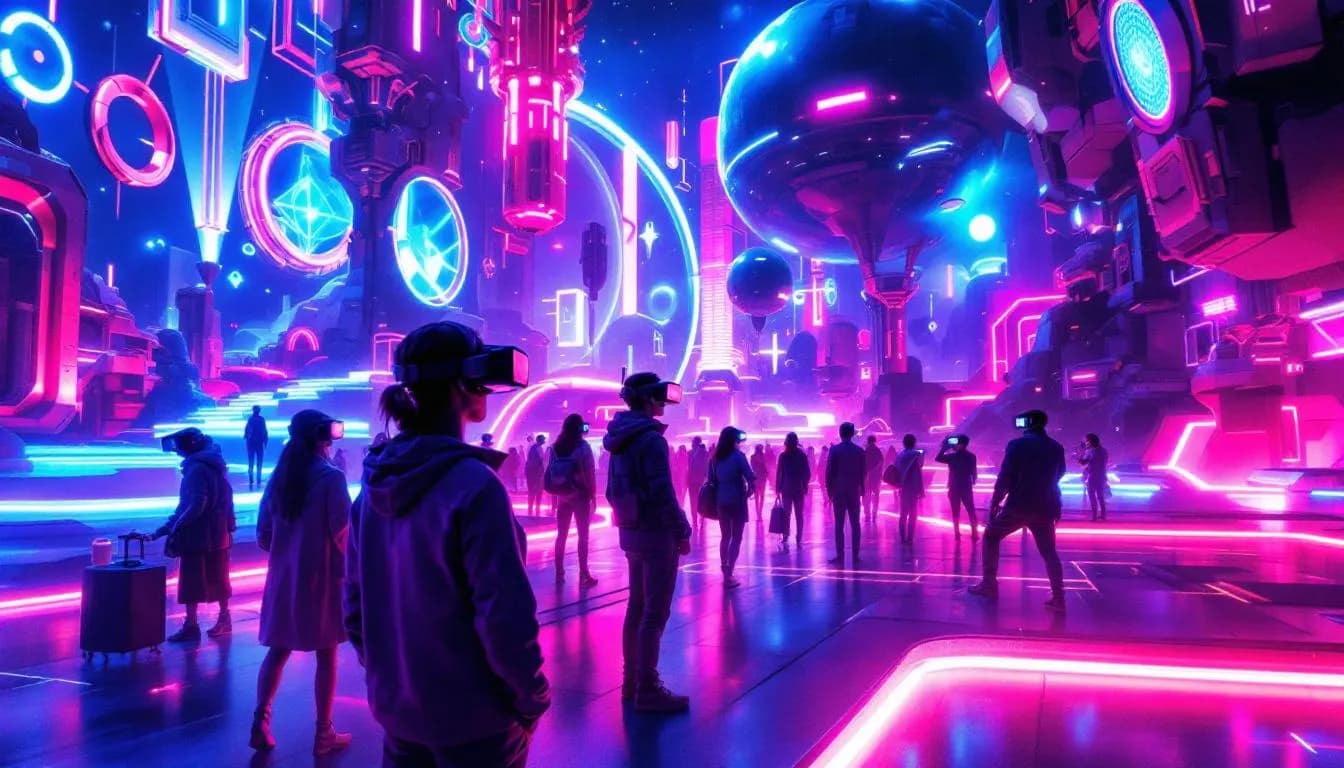
Virtual Reality is fundamentally transforming the event industry. By integrating VR into events, you can create immersive experiences that emotionally connect participants and let them dive deep into virtual worlds. Virtual reality events are specifically designed to engage attendees and transform event attendees from passive viewers to active participants. Attendees experience a fully immersive environment that is often not possible at purely physical events. This becomes especially clear at a virtual reality event.
The variety of benefits that VR events offer is impressive: increased interactivity, deeper experiences, and the ability to present complex content in an easily understandable way. VR enables more engaging experiences and deeper engagement for event attendees, making each event more memorable and impactful. In the following subsections, we’ll take a closer look at specific applications of VR in the event industry.
Immersive Product Presentations
VR events make it possible to present products in ways that go far beyond traditional methods. The benefits are:
-
Customers can experience products in 3D, creating a deeper and more emotional connection to the product. Branded environments can be created in VR to match a company’s identity, ensuring a consistent and immersive brand experience.
-
These interactive experiences spark participants’ interest.
-
Presentations become truly unforgettable.
Complex products become more understandable and emotionally tangible through VR. This fundamentally changes how products are showcased. By integrating VR technologies, companies can present their solutions in an innovative and engaging way that simply wouldn’t be possible in traditional reality. VR is also increasingly used for product launches, helping to create memorable first impressions and engage prospects during launch events.
Games designed specifically for VR product presentations can further boost engagement and attract visitors, making the experience both interactive and effective.
Virtual Trade Show Tours
Virtual tours at trade shows are revolutionizing how visitors interact and receive information. By leveraging virtual spaces and digital environments, many attendees can explore your trade show booth simultaneously, regardless of their physical location. Visitors can explore your trade show booth virtually, which is particularly beneficial for international guests who cannot attend in person. This innovative solution improves accessibility and creates interactive experiences that go far beyond traditional trade show visits.
For international guests, VR offers the opportunity to attend events without having to travel. This significantly expands the reach and impact of trade shows and enables companies to spread their message globally without geographical restrictions.
Interactive Trainings and Workshops
VR-based trainings and workshops offer realistic simulations that promote hands-on training and learning in a safe environment. These interactive experiences enable participants to acquire new skills and deepen existing knowledge—without the risks and costs associated with traditional trainings.
Hands-on experience in VR workshops allows participants to actively practice skills in a realistic virtual setting, making learning more immersive and practical.
Hands-on workshops in VR have proven especially effective for industries like healthcare and manufacturing, where scenario-based learning enhances skill development and safety.
Virtual Team-Building Activities
VR team-building activities provide exciting challenges that strengthen team spirit and collaboration. By transforming passive observers into active participants, VR team-building ensures everyone is engaged and involved. Participants can experience various thrilling activities at VR stations, such as virtual archery or solving puzzles inspired by company values.
These innovative ideas for VR experiences integrate Virtual Reality into corporate events and offer an original supporting program that excites and impresses guests. Giving attendees interactive and memorable experiences through VR team-building helps boost engagement and leaves a lasting impression. VR events stand out through varied, immersive experiences that foster team spirit and earn enthusiastic applause from participants. A Christmas party, for example, can be a special opportunity to enjoy these experiences.
Planning and Organizing VR Events
Planning and organizing VR events requires careful selection of the right technologies and providers. Professional providers can deliver unforgettable and innovative events that truly engage participants. Choosing the right technology is crucial to the success of VR events, as it forms the foundation for a smooth and immersive experience. Selecting the appropriate VR platform is essential, as it should support the event’s needs, including live streaming, interaction, and customization to maximize attendee engagement.
As VR technologies become more accessible and affordable, the use of VR events is continuously growing. This fosters creativity and innovation in event planning and makes it possible to create unique and memorable experiences. VR technology also enables organizers to manage multiple events simultaneously, streamlining planning and increasing engagement.
Running a full rehearsal of the entire event in VR is highly valuable, as it helps identify and resolve potential issues before the actual event day.
Choosing the Right VR Hardware
Selecting the right VR hardware is a key step in planning a successful VR event. Technical requirements should be clearly defined to pick hardware that matches participants’ needs. A stable internet connection is also essential to avoid technical issues during the event.
User-friendliness and interoperability of the VR hardware play an important role in reducing technical hurdles for users. Choosing the right devices—including smartphones—can be the deciding factor between a successful and a less successful VR event with a VR headset.
It is also important to provide support and guidance specifically for headset users to ensure they have a smooth and engaging experience throughout the event.
Creating VR Content
Creative approaches are crucial for developing engaging VR content that captivates the audience. Creating VR content requires a deep understanding of the target group and the experiences you want to deliver. By integrating digital content into VR environments, you can create interactive experiences that foster deeper engagement and connection. Only then can you build immersive and interactive content that truly draws participants in.
Integrating media and interactive elements can further enhance the impact of VR content and deliver an unforgettable experience. VR enables companies to present information in a more interactive way, allowing users to actively participate and increasing engagement throughout the event. This strengthens participants’ emotional connection to the interaction with the content and increases engagement throughout the event.
Safety Aspects of VR Events
Safety plays a major role in VR events, as unforeseen risks can have serious consequences for participants. It is crucial to consider the physical space when setting up VR experiences to prevent accidents and ensure participant safety. Proper staff training and comprehensive safety measures are necessary to ensure participant safety.
With careful preparation and training, risks can be significantly reduced. Organizers should also be aware of the learning curve associated with VR technology, providing user training and guidance to help attendees navigate the experience safely. Organizers are responsible for implementing thorough safety measures and appropriate supervision to safeguard the well-being of their attendees.

Advantages of VR Compared to Traditional Events
VR events offer significant advantages over traditional events:
-
Higher participant engagement, driven by the immersive nature of VR technology
-
Flexibility and accessibility, as they are location-independent
-
No geographical limitations
Virtual events and hybrid events enable participation from remote attendees, increasing accessibility and reach for organizations and audiences worldwide.
Another benefit is the long-term cost efficiency of VR events. By eliminating travel costs and logistical efforts, companies can achieve substantial savings. These advantages make VR an attractive alternative to traditional events.
Higher Participant Engagement
Using VR can significantly strengthen participants’ emotional connection to an event. VR enables more interaction among participants, leading to deeper engagement compared to traditional virtual event tools. Positive experiences and interactions in VR create a sense of openness toward future VR applications and help to reduce potential biases. These experiences often remain firmly anchored in participants’ memories.
Educational efforts highlighting the benefits of VR technology can help raise acceptance to a higher level and reduce reservations. This leads to higher participant engagement and a stronger emotional bond with the event’s topic.
Cost Efficiency
In the long term, VR events can deliver significant cost savings since many expenses for logistics and travel are eliminated. By removing these cost drivers, companies can use their resources more efficiently while still creating innovative and impressive events.
VR events are a cost-efficient solution that allows companies to organize high-quality events at a fraction of the cost of traditional formats. This makes VR a compelling option for businesses looking to optimize their event budgets.
Challenges and Solutions in Integrating VR
Integrating VR into events comes with a number of challenges that require careful planning and effective cost management. Technical difficulties, user comfort, and cost control are some of the hurdles that need to be overcome. Additionally, not everyone may be able to access or use VR technology due to factors like headset availability, comfort, or technical skills, so offering alternative options is important to ensure inclusivity.
However, these challenges can be addressed through thoughtful planning and execution. Effective cost management and selecting the right hardware and content are crucial to successfully integrating VR.

Overcoming Technical Hurdles
Successfully implementing a VR event requires:
-
Careful planning
-
The right technology
-
High-quality, engaging VR content, which is essential for success
-
Creative and professional production, which is indispensable
Safety is also a major factor in VR events. Important measures and factors include:
-
Mitigation strategies and participant protection
-
Choice of suitable VR hardware
-
Consideration of technical requirements to overcome technological hurdles
Participant Acceptance
Not all participants are instantly enthusiastic about VR, which can lead to reservations. However, due to the immersive nature of VR, participants feel more involved and motivated. For those who may not be comfortable with full VR experiences, augmented reality can serve as an alternative or complement, offering interactive digital experiences that are more accessible while still providing immersive benefits. Positive experiences and the combination of higher engagement and cost efficiency can help reduce concerns and improve acceptance of VR.
The combination of higher engagement and cost efficiency helps to break down participant reservations and increase their openness toward VR. Awareness campaigns and positive user experiences are crucial to driving user acceptance.
Future Prospects for VR in the Event Industry
The future of Virtual Reality in the event industry looks very promising:
-
Development of photorealistic virtual environments using the latest VR technology. The rise of mixed reality is set to further revolutionize the field by blending digital content with physical environments, enabling interactive and space-aware experiences on devices like Apple Vision Pro and Meta Quest 3.
-
Fundamental transformation of the event industry through these technologies. Immersive VR experiences at live events can significantly enhance brand impact by increasing engagement, offering branding customization, and providing valuable engagement metrics.
-
Hybrid formats combining physical and virtual elements. VR is a game changer for live events, offering new ways to engage audiences through interactive content, unique vantage points, and immersive sound management.
-
Expanded reach of events
-
Even more intense experiences for participants
Another exciting aspect of VR’s future in the event sector is interactive art exhibitions and virtual concerts. AI-powered avatars act as virtual assistants and enable interactive live communication with participants, making the Virtual Reality experience even more personal and engaging for each individual.
These developments show that the possibilities of VR in the event industry are almost limitless. High-quality sound and advanced spatial audio are essential for creating an immersive VR experience, as they deepen user engagement and emotional connection within virtual environments.
Summary
In summary, Virtual Reality is fundamentally changing the event industry. From immersive product presentations and virtual trade show tours to interactive trainings and team-building activities, VR offers a range of benefits that traditional events simply cannot match. Careful planning and organization of VR events—including the selection of suitable hardware and creation of engaging content—are crucial to their success.
The challenges of integrating VR can be overcome through thorough planning and effective cost management. The future of VR in the event sector is bright, with exciting developments such as photorealistic virtual environments, hybrid formats, and interactive art exhibitions on the horizon. VR offers an innovative and cost-efficient way to create unforgettable experiences for participants and revolutionize the world of events.

Frequently Asked Questions
How can VR increase participant engagement at events?
VR increases engagement by providing immersive experiences that create strong emotional connections to the content and actively encourage interaction.
What advantages do virtual trade show tours offer?
Virtual trade show tours allow international guests to participate without the need to travel, increasing accessibility and creating interactive experiences.
How can companies ensure their VR events are successful?
To ensure VR events are successful, companies should choose suitable VR hardware, create engaging content, and implement comprehensive safety measures. This supports a positive experience for participants.
What challenges exist when integrating VR into events?
Integrating VR into events brings challenges such as technical difficulties, user comfort, and cost management. Careful planning and effective cost control are vital to overcoming these hurdles.
What are the future prospects for VR in the event industry?
The future prospects for VR in the event industry are very promising, with photorealistic virtual environments and hybrid formats that will significantly enhance the event experience. Interactive art exhibitions and virtual concerts will play a central role in this development.