Design Audio: Complete Guide to Creating Professional Audio Systems and Experiences
Content
Key Takeaways
-
Audio design encompasses system configuration, acoustic treatment, and digital workflow optimization for various applications
-
Professional audio design requires understanding of components like Diamond Dome tweeters, monitor systems, and digital audio workstations
-
Modern audio design integrates AI-powered tools, extensive sound libraries, and advanced mixing consoles like AVID S6 and S4
-
Successful audio design balances technical specifications with creative workflow needs across studio, live, and multimedia environments
-
Award-winning audio design combines innovative technologies with proper acoustic treatment and strategic component placement
The world of audio has evolved dramatically from simple stereo systems to complex spatial audio environments that immerse listeners in three-dimensional soundscapes. Today’s audio design professionals must navigate an increasingly sophisticated landscape where traditional engineering principles meet cutting-edge AI technology, where precision acoustic treatment enables creative expression, and where the right combination of gear can make the difference between amateur and professional results.
Whether you’re creating a home studio in your basement, designing a world-class recording venue, or developing interactive audio for gaming applications, understanding how to design audio systems effectively has become essential for anyone serious about sound quality. The field now encompasses everything from selecting the right speakers and subwoofers to implementing advanced digital workflows that support complex creative processes.
Understanding Audio Design Fundamentals
Audio design represents the systematic approach to creating, configuring, and optimizing audio systems for specific applications and environments. At its core, this discipline combines technical knowledge of acoustics and electronics with creative understanding of how sound affects human perception and emotion. The field has experienced tremendous growth as professionals recognize that exceptional audio experiences require intentional design rather than simply assembling expensive equipment.
The evolution from analog mixing boards to sophisticated digital audio workstations has fundamentally changed how audio engineers and producers approach their work. Where once a studio might have featured a massive analog console taking up an entire wall, today’s facilities often center around powerful software systems that offer unprecedented control and precision. However, this digital transformation hasn’t eliminated the need for quality hardware components – instead, it has created new opportunities for integrating the best of both worlds.
Core principles of effective audio design include understanding frequency response characteristics, managing dynamic range requirements, and implementing spatial audio considerations that create immersive listening experiences. Modern systems must also account for the integration of hardware components with software solutions, creating comprehensive workflows that support everything from basic recording to complex post-production tasks.
The most successful audio design projects achieve seamless integration between multiple elements: room acoustics that complement rather than fight against the monitoring system, digital tools that enhance rather than complicate the creative process, and equipment selections that provide both immediate functionality and long-term reliability. This holistic approach ensures that every component contributes to the overall goal of creating exceptional audio experiences.
Professional Audio Equipment and Technologies
High-end speaker technologies have reached remarkable levels of sophistication, with innovations like Bowers & Wilkins Diamond Dome tweeters utilizing synthetic diamond materials to achieve unprecedented clarity and precision. These advanced drivers represent years of engineering development focused on eliminating resonances and distortions that can compromise audio quality, making them essential components for professional applications where accuracy matters most.
Award-winning systems like GoldenEar Technology’s Triton Series have gained recognition from respected publications including The Absolute Sound and Sound & Vision for their ability to deliver both technical excellence and musical engagement. These speakers demonstrate how thoughtful design can achieve the holy grail of audio reproduction: systems that satisfy both analytical listening requirements and pure enjoyment of music and other audio content.
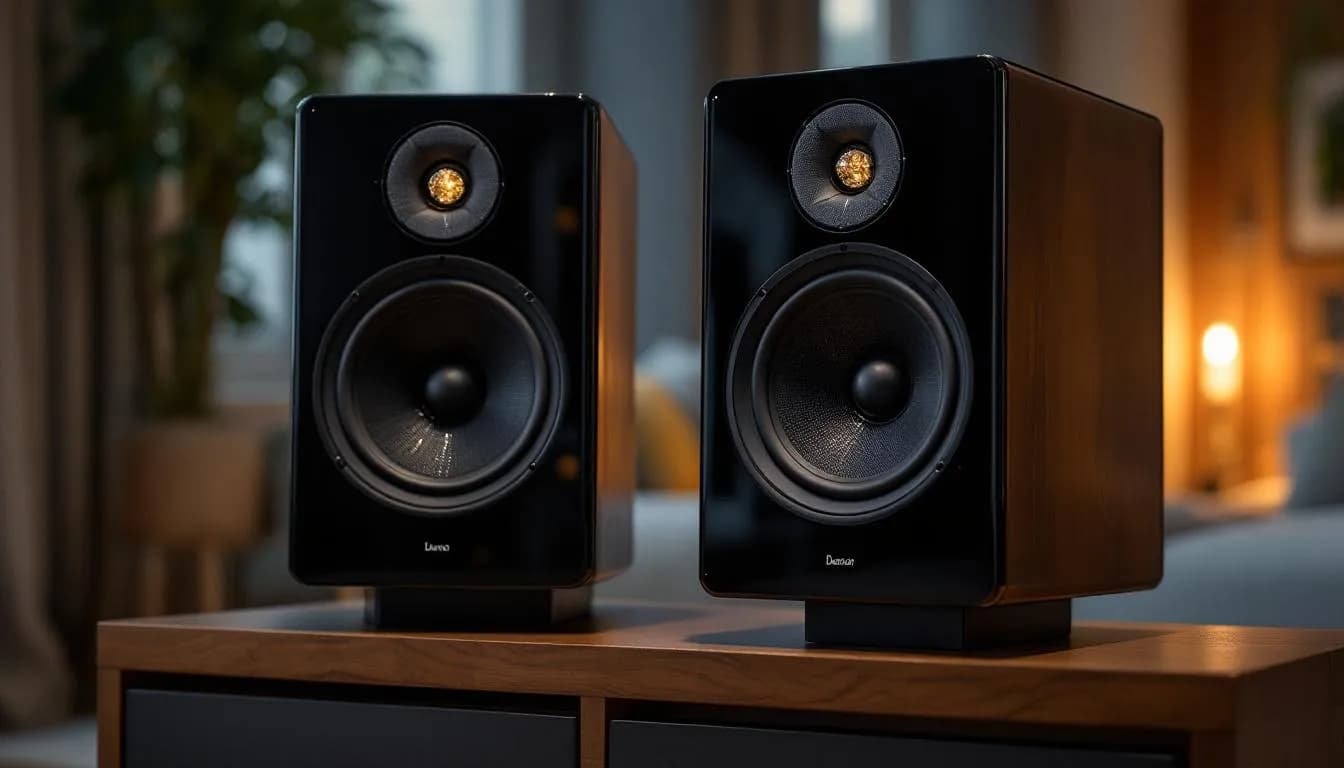
Augspurger monitors have established themselves as the standard for many professional studio applications, delivering the clarity, depth, and precision that audio engineers require for critical listening tasks. Their design philosophy emphasizes accuracy across the entire frequency spectrum, enabling professionals to make confident mixing and mastering decisions that translate well across different playback systems.
AVID S6 and S4 control surfaces represent the pinnacle of modern mixing console design, offering customizable workflows that adapt to individual producer and engineer preferences. These systems integrate seamlessly with popular digital audio workstations while providing the tactile control that many professionals find essential for efficient operation. The ability to customize control layouts means that different team members can quickly configure the workspace to match their specific needs and working style.
The choice between different equipment categories often comes down to balancing performance requirements with budget constraints. Entry-level professional gear can provide excellent results when properly implemented, while high-end components offer additional capabilities that become crucial for demanding applications. Understanding these trade-offs helps professionals make informed decisions that serve their immediate needs while allowing for future expansion.
Acoustic Space Design and Treatment
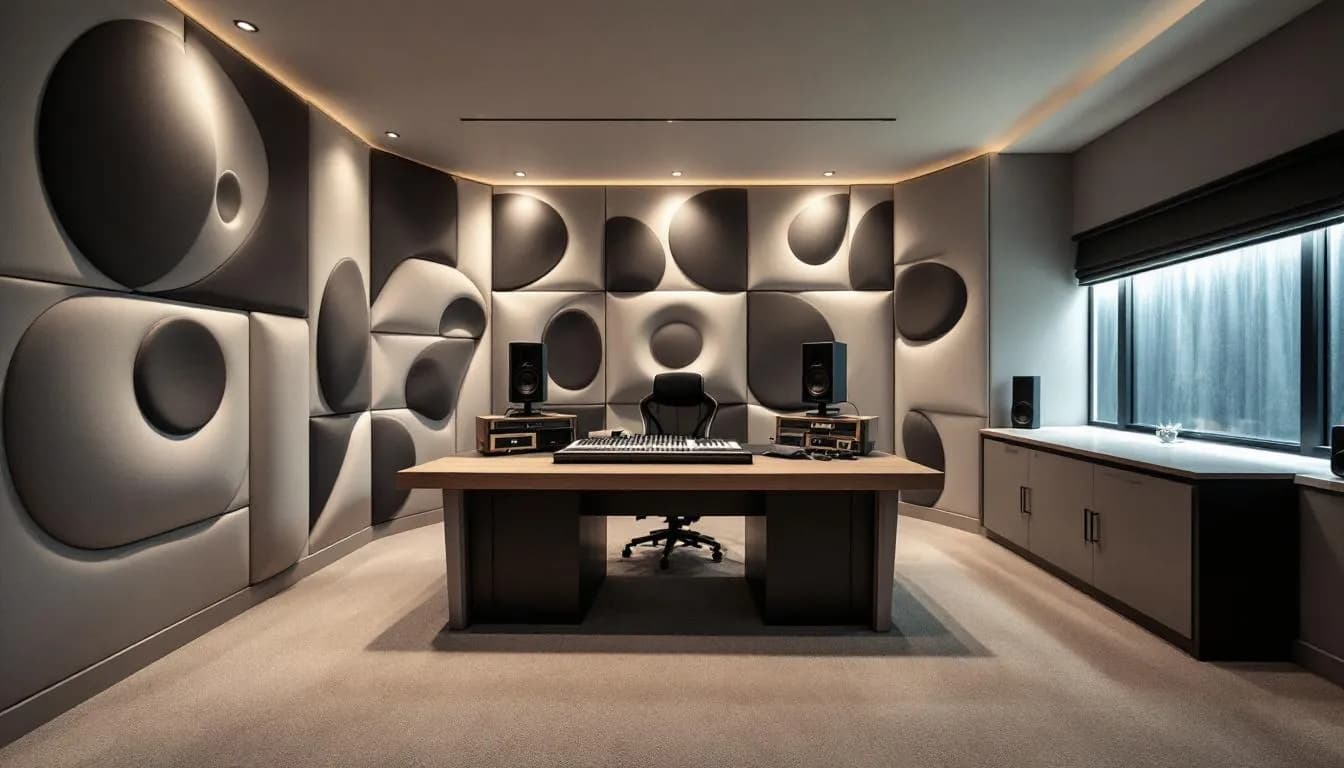
Studio design principles vary dramatically depending on the intended use, available space, and budget considerations, but certain fundamentals apply whether you’re converting a basement space or constructing a world-class facility. The acoustic properties of any room have profound effects on how monitors perform and how accurately audio engineers can evaluate their work, making proper treatment an essential investment rather than an optional upgrade.
Professional design services like PAD Group approach custom studio construction with comprehensive planning that addresses everything from HVAC noise control to optimal monitor placement. Their methodology demonstrates how experienced professionals analyze each space’s unique challenges and opportunities, developing solutions that maximize acoustic performance while maintaining practical workflow considerations.
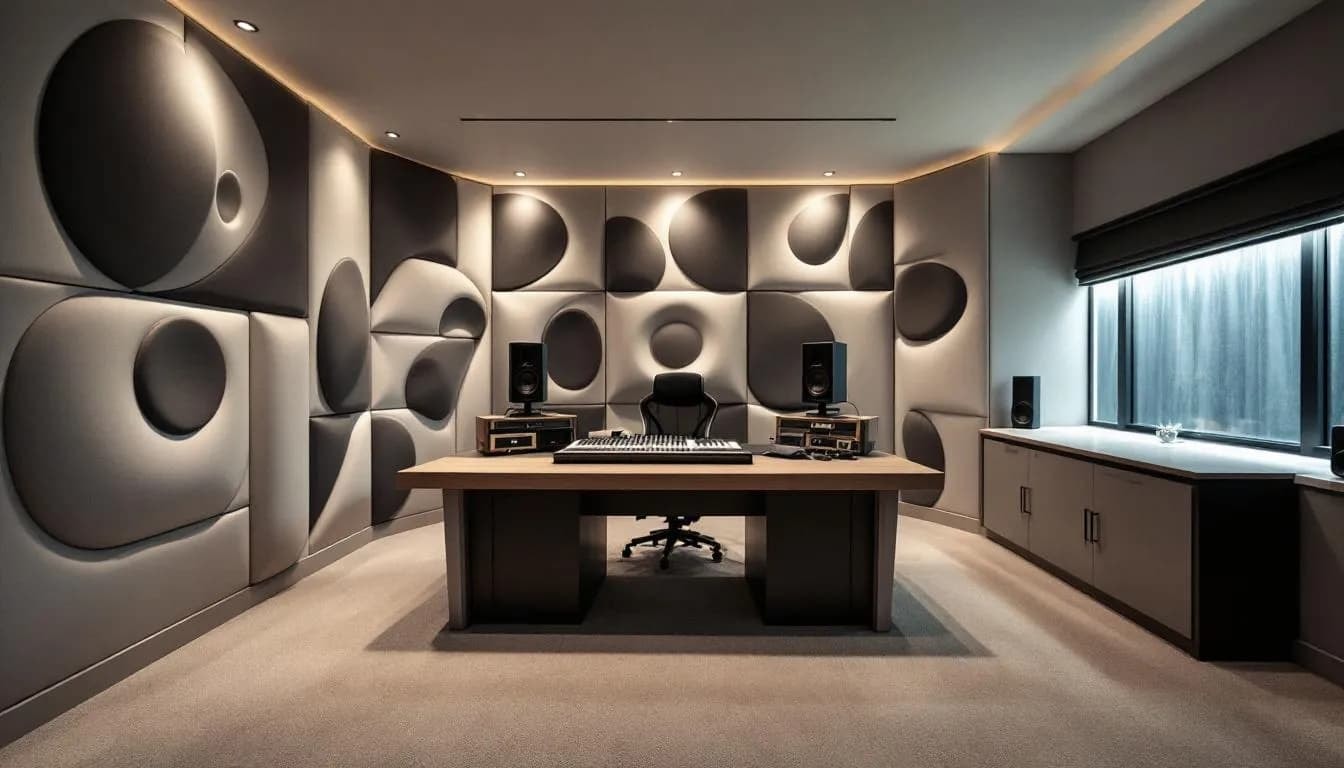
SŌL Studios serves as an exceptional example of how thoughtful design implementation can create inspiring creative environments. Their facilities showcase how proper acoustic treatment, strategic equipment placement, and attention to aesthetic details combine to support both technical excellence and artistic inspiration. The studio’s success illustrates that the best audio environments serve both practical and psychological needs of the creative team.
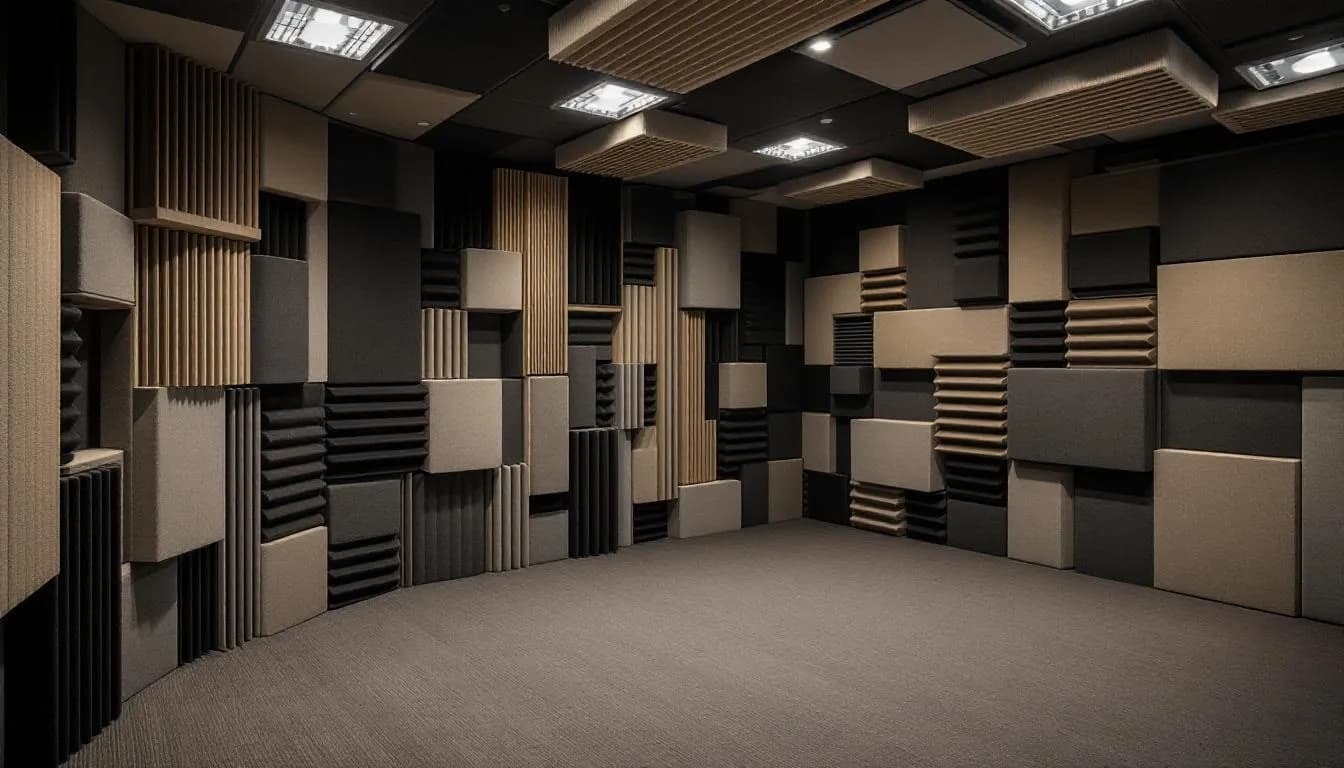
Acoustic treatment strategies must be tailored to different room sizes and purposes, recognizing that what works in a large tracking room may be inappropriate for a smaller mixing environment. Bass management becomes particularly critical in smaller spaces, where room modes can create significant frequency response irregularities that compromise monitoring accuracy. Proper treatment addresses these issues while maintaining the live, natural sound that many musicians and engineers prefer.
Practical guidelines for optimizing listening environments start with understanding how sound behaves in three-dimensional space. Monitor placement affects not only stereo imaging but also how room acoustics interact with direct sound from the speakers. The goal is creating a controlled listening environment where engineers can make confident decisions that translate well to other playback systems, from high-end home theaters to basic consumer speakers.
Digital Audio Design Tools and Software
Modern digital audio workstations have evolved into comprehensive creative platforms that handle everything from basic recording to complex post-production tasks. These software environments serve as the central hub for contemporary audio design, integrating recording, editing, mixing, and mastering capabilities in ways that would have required multiple specialized devices in earlier eras. The choice of DAW often influences entire workflow approaches, making it a fundamental decision in any audio design project.
AI-powered tools like SoundGen represent an exciting new frontier in audio creation, offering capabilities for background music and soundtrack generation that can dramatically accelerate certain types of projects. While these tools cannot replace human creativity and judgment, they provide valuable starting points and can handle routine tasks that previously consumed significant time and resources. The key is understanding when and how to integrate these technologies effectively into established creative processes.
Sound libraries featuring 70,000+ high-quality sound effects and music files have transformed how audio professionals approach content creation. Rather than recording every needed element from scratch, designers can now access vast collections of professionally recorded and edited material, focusing their time and energy on the creative aspects that truly require human expertise. However, the abundance of available content also creates new challenges in terms of organization and workflow management.
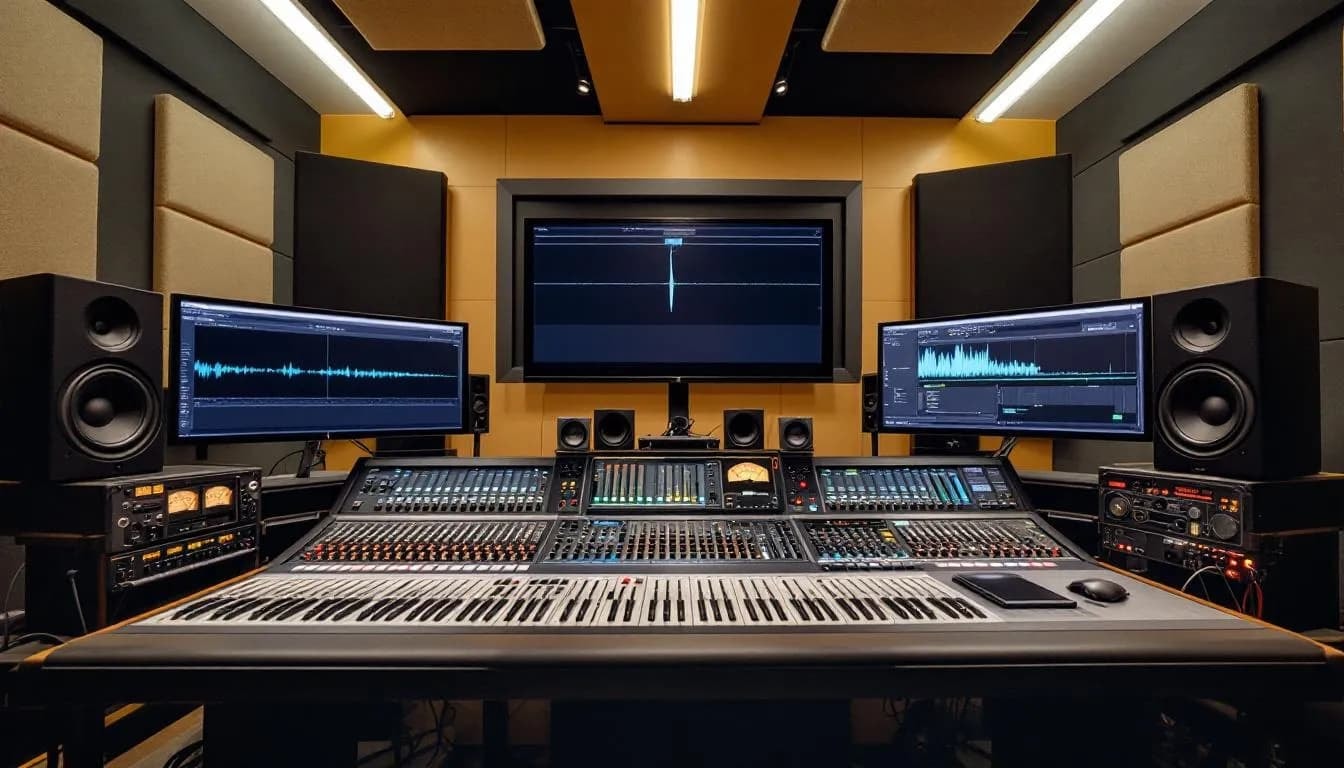
Interactive audio tools like Max/MSP and Wwise enable sophisticated approaches to game and application development, where sound must respond dynamically to user actions in real-time. These systems require different thinking compared to linear audio production, as designers must create flexible frameworks that can adapt to unpredictable interaction patterns while maintaining coherent audio experiences.
ADD 2.0 interface improvements for sound library navigation and metadata management address one of the most significant challenges in modern audio design: efficiently finding and utilizing the vast amount of available content. Improved search capabilities, tagging systems, and preview functionality help professionals quickly identify suitable material, reducing the time spent on administrative tasks and allowing more focus on creative decision-making.
Audio Design for Different Applications
Theatre and Live Performance
Sound system design for live venues and performance spaces requires understanding how different types of content interact with audience expectations and acoustic environments. Theatre applications demand systems that can handle everything from subtle ambient soundscapes to dramatic musical numbers, often within the same production. The challenge lies in creating flexible installations that adapt to varying requirements while maintaining consistent quality throughout the venue.
Music, effects, and reinforcement considerations for theatre applications involve complex balancing acts between naturalism and enhanced reality. Audiences expect to hear dialogue clearly from every seat, but they also want to feel immersed in the dramatic world being created on stage. Modern systems achieve this through sophisticated speaker arrays, advanced digital signal processing, and careful attention to timing and level relationships between different audio elements.
Tony Award for Best Sound Design recognition criteria reflect the industry’s highest standards for creative and technical excellence. Winners typically demonstrate innovative approaches to storytelling through sound, seamless integration of multiple audio elements, and technical implementation that serves the artistic vision rather than calling attention to itself. These standards provide valuable benchmarks for professionals working to achieve recognition in this competitive field.
Film and Video Production
Sound design integration for video projects requires understanding how audio elements support visual storytelling while maintaining their own dramatic impact. The most effective film audio creates emotional connections that viewers may not consciously notice but that profoundly affect their engagement with the story. This subtle approach demands sophisticated technical skills combined with deep understanding of narrative structure and audience psychology.
Professional sound and music creation workflows for video enhancement have evolved to support increasingly complex post-production requirements. Modern productions often involve multiple rounds of revisions, international distribution requirements, and various delivery formats that each present unique technical challenges. Successful workflows accommodate these realities while maintaining creative flexibility throughout the production process.
Academy Award for Best Sound criteria establish benchmarks for technical excellence and creative achievement in film audio. Recognition typically goes to productions that demonstrate innovative problem-solving, seamless integration of complex audio elements, and contributions that significantly enhance the overall cinematic experience. These standards guide professionals working at the highest levels of the industry.
Gaming and Interactive Media
Audio recording, mixing, and integration using audio engines and middleware requires specialized knowledge of how interactive systems handle sound playback. Unlike linear media, games must respond to unpredictable user actions while maintaining coherent audio experiences. This demands both technical expertise in real-time audio programming and creative skills in designing flexible content that works across multiple scenarios.
Interactive sound production requires close collaboration between designers and engineers to create systems that serve both artistic vision and technical requirements. The most successful projects involve ongoing communication throughout development, with audio considerations influencing game design decisions and vice versa. This collaborative approach ensures that sound enhances gameplay rather than simply providing decoration.
Golden Reel Awards recognition for excellence in sound design quality acknowledges the unique challenges and opportunities in interactive media. Winners typically demonstrate innovative approaches to dynamic audio, effective use of limited processing resources, and creative solutions to the challenges of non-linear storytelling. These achievements inspire continued innovation in an rapidly evolving field.
Professional Studio Design Considerations
Custom studio and venue design supporting audio and music creation needs requires balancing multiple competing priorities: acoustic performance, workflow efficiency, equipment reliability, and budget constraints. The most successful projects achieve clarity about primary objectives early in the planning process, allowing design decisions to support these goals consistently throughout implementation.
Integration of gear, design, and technical expertise creates productive studio spaces where technology serves creativity rather than hindering it. This requires understanding how different team members work, what equipment they need immediate access to, and how various technical systems can be configured to minimize distraction while maximizing capability. The best studios feel intuitive to use because careful planning has anticipated user needs.
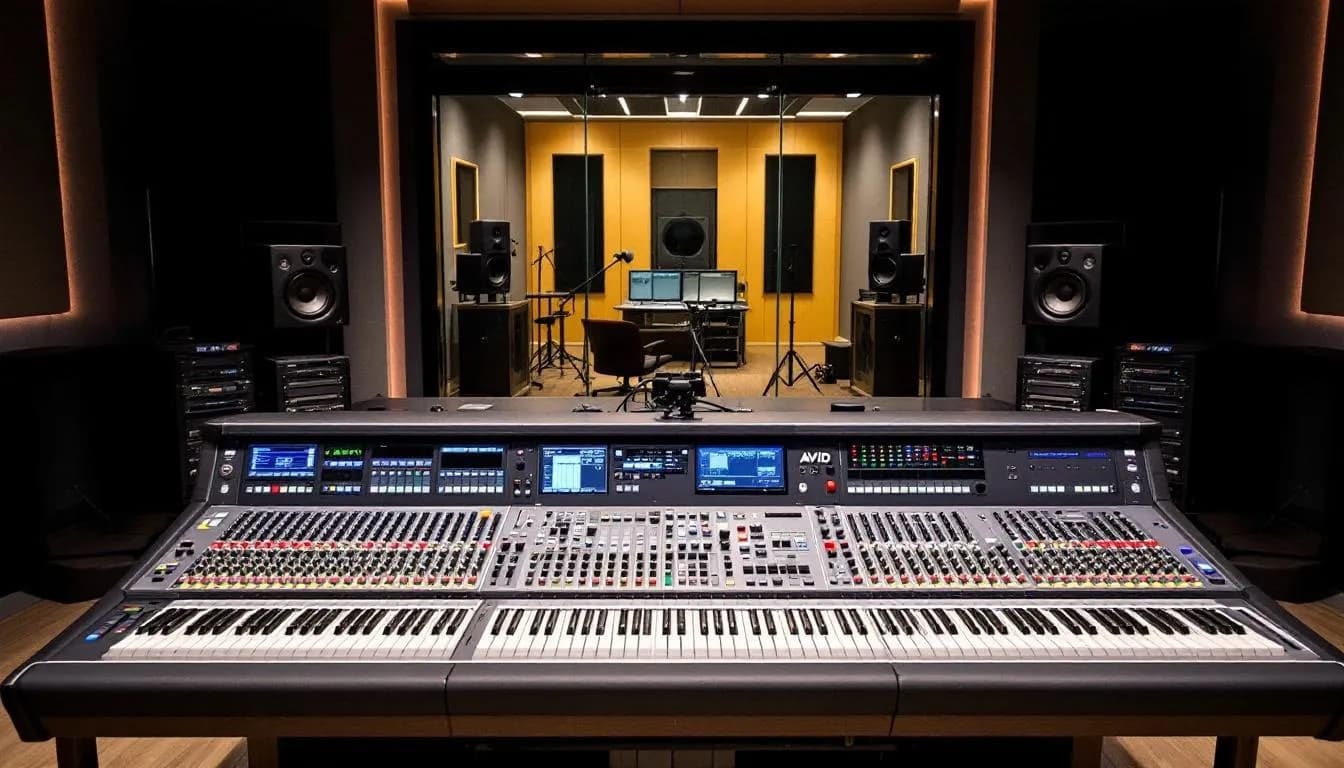
Budget considerations for studios of all sizes require realistic assessment of both immediate needs and long-term goals. While it’s tempting to invest heavily in high-end gear, many successful studios achieve excellent results by prioritizing acoustic treatment and monitoring accuracy over exotic equipment. The key is understanding which elements truly affect end results and which provide diminishing returns relative to their cost.
Workflow optimization through proper equipment selection and room configuration can dramatically affect productivity and creative satisfaction. Simple considerations like cable management, lighting design, and sight lines between different work areas often have more impact on daily operations than specific equipment choices. Successful studios feel comfortable and inspiring because attention has been paid to human factors as well as technical requirements.
Long-term planning for technology upgrades and system expansion capabilities ensures that initial investments continue providing value as needs evolve. The audio industry changes rapidly, with new tools and techniques constantly emerging. Smart studio design anticipates this evolution by providing flexibility for future modifications without requiring complete reconstruction. This forward-thinking approach protects investment value while enabling continued growth and adaptation.
FAQ
What is the difference between audio design and sound design? Audio design focuses on the technical configuration and optimization of audio systems, equipment, and spaces, while sound design specifically involves creating and manipulating audio content for media like film, games, and theatre. Audio design is about building the infrastructure and environment where sound creation happens, whereas sound design is about the creative content itself.
How much does professional studio design cost? Professional studio design costs vary widely from $10,000 for basic basement conversions to $500,000+ for world-class facilities, depending on size, equipment quality, and acoustic treatment requirements. The majority of successful commercial studios fall in the $50,000-$200,000 range, where proper acoustic treatment and quality monitoring can be achieved without exotic equipment.
What are the most important factors in choosing studio monitors? Key factors include frequency response accuracy, dynamic range, room size compatibility, and specific application needs. Technologies like Diamond Dome tweeters offer superior clarity but may not be necessary for all applications. The monitoring system must work well in your specific acoustic environment and provide the resolution needed for your type of work.
Can AI tools replace traditional audio design methods? AI tools like SoundGen enhance productivity and creativity but cannot replace fundamental audio design knowledge, proper acoustic treatment, or the need for quality monitoring systems and room design. They serve as powerful assistants that handle routine tasks and provide creative starting points, but human expertise remains essential for making aesthetic judgments and solving complex technical challenges.
What qualifications are needed for professional audio design work? Professional audio design typically requires technical knowledge of acoustics, electronics, and digital audio, often gained through formal education, industry certifications, or extensive hands-on experience with award-winning projects. Many successful professionals combine engineering backgrounds with practical studio experience, while others develop expertise through apprenticeships and self-directed learning combined with real-world project experience.