
Best Sound Technician Course Online: Master Audio Engineering & Production
Content
Curious about what a sound technician course entails? These courses teach essential skills in audio recording, mixing, and editing, paving the way for careers in music production, film, and live sound. Learn about course components, online benefits, and career opportunities here.
Key Takeaways
-
Sound technician courses provide essential skills in audio production, covering topics such as sound design, mixing, and mastering for diverse industry roles.
-
Online learning offers flexibility and extensive resources, allowing students to learn at their own pace and gain hands-on experience with industry-standard software like Pro Tools.
-
Career opportunities for sound technicians span multiple industries, with roles such as sound engineer and audio editor; building connections and obtaining certifications can enhance job prospects.
What is a Sound Technician Course?
A sound technician course equips students with both theoretical knowledge and practical skills for audio production. These programs cover essential competencies in sound recording, mixing, and editing, preparing students for diverse roles in the industry.
Key Skills Acquired
Participants in a sound technician course acquire a wide range of skills. The curriculum includes basic concepts in sound design, audio effects creation, and mastering techniques, crucial for crafting unique audio experiences. Students also explore technical aspects like applying audio effects, enhancing their ability to produce polished, high-quality audio.
Another critical skill taught is mastering, ensuring the final audio product meets industry standards and excels in any playback environment. These techniques are essential whether you’re interested in music production, film, or live sound, providing all the fundamentals of music composition for your career.
Importance in the Music Industry
Sound technicians are pivotal in the music industry, capturing and mixing every note and beat to perfection. In recording studios, they produce high-quality audio and produce music, ensuring the final product is pristine and engaging. During live events, they manage complex sound systems to deliver clear and consistent audio to the audience.
Their expertise is not limited to music alone. Sound technicians contribute to various settings, including film production and multimedia performances. Their skills significantly enhance the overall experience, making music and art come alive in ways that deeply resonate with audiences.
Benefits of Learning Audio Engineering Online
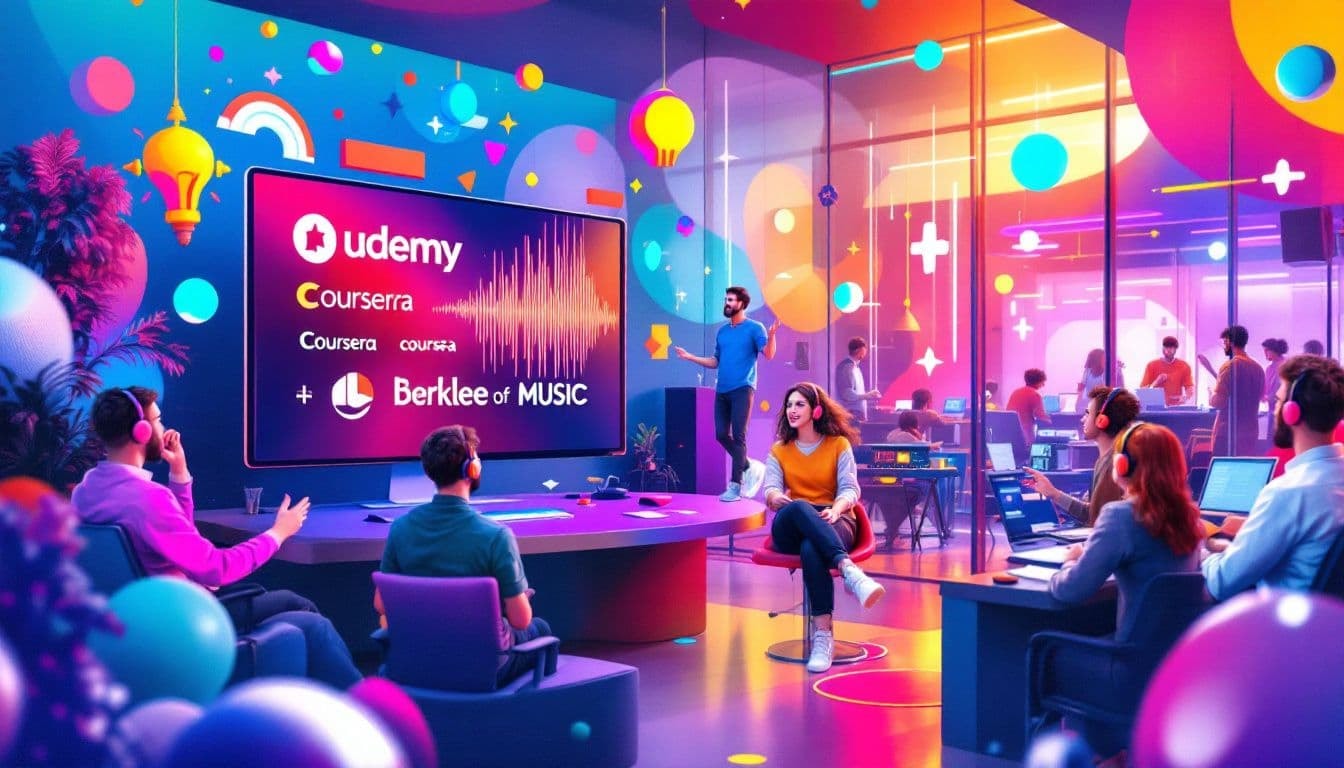
Learning audio engineering online offers numerous advantages, including the flexibility to study at your own pace and balance education with other commitments.
Additionally, these courses offer extensive resources that can be accessed from anywhere, ensuring that you have all the tools you need to succeed.
Learn at Your Own Pace
Many online programs offer a self-paced format, enabling learners to progress according to their schedules. This flexibility empowers students to create personalized study plans and balance education with personal and professional responsibilities.
Access to Course Materials
Online sound engineering courses typically provide extensive materials, including video tutorials, software instruction, and downloadable resources. Video tutorials are particularly valuable, helping students visually and audibly grasp complex audio concepts, making learning more intuitive.
In addition to video content, software instruction ensures that students gain hands-on experience with industry-standard tools. Downloadable resources provide the flexibility to access and revisit materials at any time, enhancing the overall learning experience and ensuring that students are well-prepared for their future careers.
Core Components of a Sound Technician Course

Sound technician courses cover a broad range of topics essential for a career in audio engineering. From understanding basic sound waves to mastering advanced live sound engineering techniques, these courses provide all the necessary fundamentals.
Basics of Sound Waves and Acoustics
Sound waves are fundamental to audio engineering. Students learn about different types, such as longitudinal and transverse waves, and their movement through various mediums. Understanding sound pressure level waves within the audible range is crucial for sound engineers.
The speed of sound varies across materials, being fastest in solids and slowest in gases. This knowledge is essential for sound engineers, affecting how they capture and manipulate audio in different environments.
Hands-On Training with Pro Tools and Other Software
Hands-on training with industry-standard software like Pro Tools is a key component of these courses. Students learn to use advanced equipment and software to record, edit, and produce high-quality audio, enhancing their practical skills and technical knowledge.
These programs also cover practical aspects of electronic and acoustic engineering, teaching students to manipulate audio with various software tools. This hands-on experience is invaluable for anyone looking to excel in audio engineering.
Advanced Techniques in Live Sound Engineering
Advanced live sound engineering techniques ensure optimal audio capture and delivery during live events. Courses delve into microphone techniques and sound system setups tailored for various events.
Hands-on training covers practical aspects like microphone placement and sound capturing techniques. This comprehensive training prepares students to handle the technical challenges of live sound engineering.
Career Opportunities for Sound Technicians

A career in audio engineering offers numerous opportunities across various industries. Building strong relationships can significantly enhance career prospects, as many job opportunities arise from referrals and connections.
Roles and Responsibilities
Sound engineers are crucial in music production and live performances, ensuring high-quality audio during recording and live events. Career options include positions like sound engineer, audio engineer, broadcast engineers, and sound designers.
Recording engineers capture audio for music and film, ensuring high-quality sound reproduction. Live sound engineers manage audio during events, balancing sound levels for audiences and performers.
In post-production, audio editors refine recorded audio by cutting, rearranging, and enhancing tracks for clarity. These roles are essential for producing polished and professional audio content.
Enhancing Career Growth
Collaboration with producers and performers helps sound engineers align on creative direction and resolve sound issues. Continuing education and certifications in new audio technologies can also improve job prospects.
Attending an accredited institution can enhance job prospects, as many employers prefer candidates with accredited programs. Diversifying skills in areas like mixing or broadcast audio can create more job opportunities.
Choosing the Right Online Course

When selecting an online sound technician course, consider how well it aligns with your learning style and career goals.
Online learning offers significant convenience, allowing students to learn from anywhere and balance education with other commitments.
Accreditation and Certification
Choosing an accredited audio engineering program ensures the education meets strict academic standards set by recognized organizations. Accredited programs are more likely to be valued by employers, enhancing job prospects and ensuring quality education.
Student Reviews and Testimonials
Students consistently rate sound technician courses highly for their comprehensive curriculum and engaging instructors. Many express that hands-on training with industry-standard software significantly enhances their learning experience.
Graduates report that the skills acquired through these courses have opened new career opportunities in fields like music production and sound design. Testimonials often highlight the effectiveness of online learning, praising its flexibility in balancing studies with personal responsibilities.
Summary
In summary, an online sound technician course offers a comprehensive education in audio engineering, covering everything from basic concepts to advanced techniques in live sound engineering. The flexibility of online learning and access to extensive course materials make it an ideal choice for aspiring audio professionals.
Whether you’re looking to produce high-quality audio in recording studios or manage sound systems for live events, these courses provide the skills and knowledge needed to succeed. Embrace the opportunity to turn your passion for sound into a rewarding career.
Frequently Asked Questions
What are the key skills I will acquire from a sound technician course?
You will acquire essential skills in sound design, audio effects creation, mastering techniques, and practical experience with industry-standard software like Pro Tools, all of which are crucial for producing high-quality audio across various media.
Why is a sound technician important in the music industry?
A sound technician is crucial in the music industry as they ensure high-quality sound recording and mixing, as well as manage sound systems during live events. Their expertise significantly enhances the overall music experience, making them indispensable.
What are the benefits of learning audio engineering online?
Learning audio engineering online provides the flexibility to study at your own pace while balancing other commitments, along with access to a wealth of course materials, including video tutorials and software instruction. This combination enhances your understanding and skills in the field effectively.
What career opportunities are available for sound technicians?
Sound technicians have diverse career opportunities as audio engineers, broadcast engineers, sound designers, recording engineers, and live sound engineers across industries like music, film, and broadcasting. Each role offers unique experiences and pathways to advance in the field.
How do I choose the right online sound technician course?
To choose the right online sound technician course, focus on accredited programs that offer certification, and carefully review student testimonials to ensure a quality and engaging educational experience. Prioritizing these factors will help you make a well-informed decision.
Related Articles