Top Audio Mixing Course: Elevate Your Sound Skills Online
Content
Want to master audio mixing? An audio mixing course will teach you essential techniques, offer hands-on projects, and provide industry insights. Here’s what you can expect.
Key Takeaways
-
Master essential and advanced mixing techniques to create professional-quality sound that resonates with listeners.
-
Engage in hands-on projects and learn from experienced industry professionals to gain real-world experience and confidence in your mixing abilities.
-
Unlock diverse career paths in music production, from freelance mixing engineer to studio roles, leveraging your skills and industry connections.
The Ultimate Guide to Mixing Techniques
Mixing is an intricate process that involves manipulating levels, dynamics, and spatial positioning of sounds to create a cohesive and engaging musical outcome. The journey from novice to mastering engineer involves understanding both basic and advanced mixing techniques, as well as the art of mixing and genre-specific nuances that bring out the best in different styles of music.
This guide covers both foundational theories and the emotional impact of mixing, presenting essential techniques for any mixing course. Basics, advanced methods, and genre-specific tips will be discussed to help you craft a professional mix.
Basic Mixing Techniques
Great mixes start with balancing levels, adjusting each track’s volume to prevent any element from overpowering the others. Equalization (EQ) shapes a track’s tonal balance by adjusting different frequency ranges, ensuring each instrument has its own sonic space and preventing clashing frequencies.
Compression controls the dynamic range of audio signals, making quiet sounds louder and loud sounds quieter, ensuring all elements are heard clearly. Reverb adds spatial depth to the music, simulating different environments and enhancing the track’s atmosphere.
These basic techniques form the backbone of mixing. Mastering balancing levels, EQ, compression, and reverb prepares you for advanced mixing techniques, resulting in a professional mix that excels in any genre.
Advanced Mixing Techniques
Advanced techniques are crucial for refining your sound as you progress. Dynamic EQ and multi-band compression offer precise control over specific frequency ranges, enabling creative distortion and unique sound design, adding depth and character to your mixes.
Parallel compression, often referred to as “New York compression,” is a technique where a duplicate track is heavily compressed and blended with the original. This enhances the punch and presence of the mix without sacrificing dynamic range. Additionally, detailed reverb management in Pro Tools can create spatial depth and a sense of three-dimensionality in your music.
Automation dynamically adjusts levels, panning, and effects throughout a track, enhancing the emotional impact and detail of the mix. Tools like Logic Pro offer comprehensive MIDI capabilities and automation features that significantly improve the mixing process, elevating your mixes to a professional level.
Genre-Specific Mixing Tips
Different genres require tailored mixing approaches to highlight their unique characteristics. Rock music, for example, often utilizes a wide frequency range, necessitating careful management of bass, guitars, and vocals to avoid muddiness and enhance the track’s energy.
Hip hop places emphasis on strong bass and rhythmic clarity. Techniques like sidechain compression ensure bass and rhythm dominate without overshadowing vocals, creating impactful mixes that resonate with listeners.
Soul music typically highlights vocal performances with lush instrumentation to evoke emotion. Creative distortion and tailored EQ settings add warmth and character, enhancing emotional impact. Mastering genre-specific techniques helps bring out the best in any style of music.
Course Highlights: What to Expect
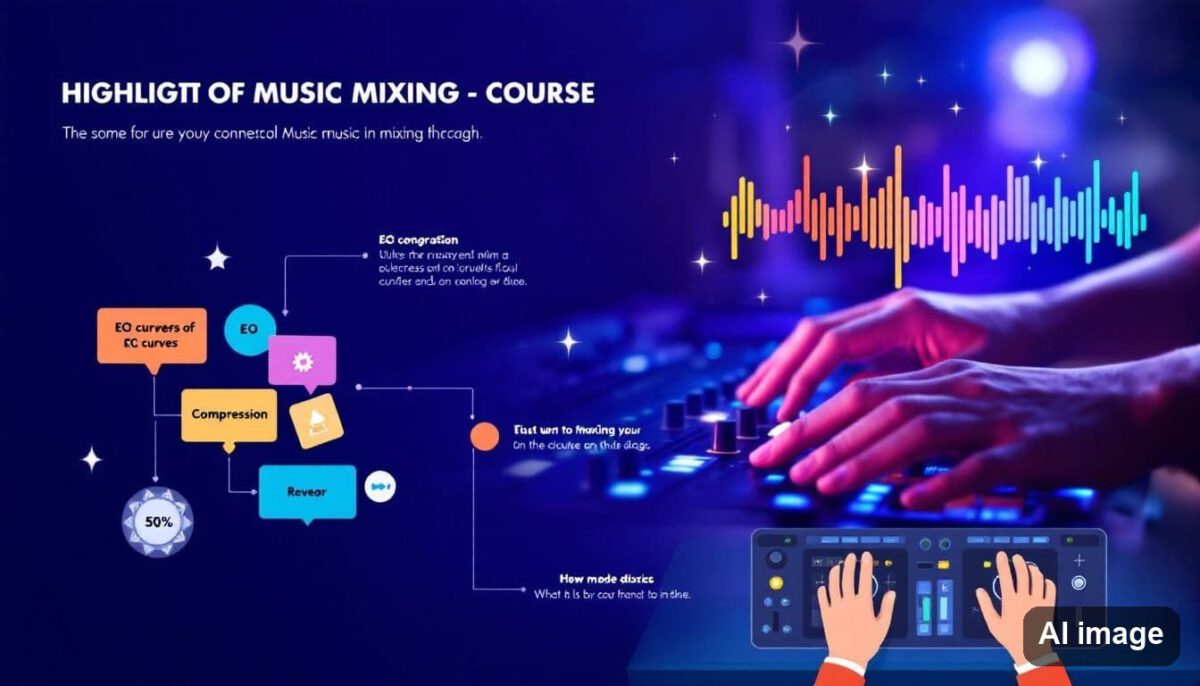
An audio mixing course provides extensive knowledge and practical experience, emphasizing industry-standard tools and software for mixing and mastering courses. Each module, from foundational concepts to advanced techniques, aims to enhance your skills and prepare you for real-world scenarios.
Expect to delve into in-depth modules, engage in hands-on projects, and gain valuable industry insights from experienced professionals. This comprehensive approach ensures that you not only understand the technical aspects of mixing but also develop a creative and intuitive approach to sound design.
In-Depth Modules
In-depth modules cover essential skills like ear training and critical listening, crucial for discerning subtle sound differences and recognizing key mix features. Honing these skills enables better analysis and improvement of your mixes.
Sound design training explores various sonic textures and effects, adding depth and character to your music. Automation lessons teach dynamic adjustment of levels and effects, enhancing your tracks’ emotional impact.
These comprehensive modules transform technical skills into artistic intuition, blending technical expertise with creative vision for professional mixing.
Hands-On Projects
Hands-on projects, a cornerstone of the depth course, let you apply theoretical knowledge in practical contexts. Engaging in projects with real tracks offers practical experience with industry-standard techniques, ensuring immediate application of your skills in real-world scenarios.
The teaching methodology emphasizes practical applications and real-world scenarios, encouraging you to actively engage with the material. By working on real projects, you gain invaluable experience and confidence in your mixing abilities.
These practical projects enhance your learning experience and prepare you for industry challenges, enabling you to graduate with a portfolio of high-quality mixes showcasing your skills and creativity.
Industry Insights
Experienced mixing professionals offer valuable industry insights that influence your mixing approaches. Course instructors often hold advanced degrees from prestigious institutions and have significant industry accomplishments.
These insights, along with a focus on creativity and critical thinking, prepare you for real-world challenges in mixing and mastering. Learning from top professionals deepens your understanding of the art and science of mixing, enhancing your skills and career prospects.
Student Success Stories
Many course students have turned their passion for music into professional careers, collaborating successfully with top artists and showcasing their enhanced mixing skills in various music production roles.
The course equips students with the skills needed to excel in the competitive music industry. Here are some inspiring success stories that showcase the real-world impact of this comprehensive training.
Rising Stars
Collaborative projects encourage peer interaction and feedback, fostering a supportive learning environment. Many alumni have gained prominence, leveraging their skills to collaborate with well-known artists and earn prestigious awards.
Some graduates have worked on Grammy-winning projects, showcasing their expertise in genres like rock and soul. These rising stars have mastered the technical aspects of mixing and developed a unique artistic voice that sets them apart in the industry.
Their success stories attest to the course’s effectiveness, inspiring current and future students to strive for excellence in their musical journeys.
Real-World Impact
Students engage in practical projects focusing on real-world applications of mixing skills, enhancing their learning experience. Many instructors have collaborated with well-known artists and have significant industry accomplishments, providing valuable insights and mentorship.
Successful freelance mixing engineers build portfolios by collaborating on various projects, showcasing versatility in different musical genres. Graduates use their mixing expertise to enhance production quality, leading to job opportunities and industry recognition.
Applying skills in real-world scenarios gives students practical experience and confidence, preparing them for successful music industry careers.
Tools and Software Covered
The course covers essential tools and software that enhance the audio mixing experience. From Pro Tools to Logic Pro, you’ll learn to navigate and utilize industry-standard software to create high-quality mixes.
The course also compares analog and digital mixing methods, highlighting their applications in modern music production. The following sections cover the specific tools you’ll master.
Pro Tools
Pro Tools is extensively covered in the curriculum, emphasizing its essential role in mixing and mastering. One critical technique taught is peak limiting, which controls mix dynamics and prevents audio signals from exceeding a certain threshold.
Using peak limiting in Pro Tools maintains clarity in your mixes and prevents audio distortion, crucial for creating professional-quality tracks that stand out in a competitive industry.
Pro Tools offers advanced features for managing vocal tracks, drums, and bass, making it versatile for any music producer. Mastering Pro Tools equips you with the skills to create polished, professional mixes.
Logic Pro
Logic Pro is another powerful software covered in detail. It offers advanced tools for creating immersive Spatial Audio mixes using Dolby Atmos, facilitating a three-dimensional sound experience. The software includes Session Players that provide realistic instrumental performances in real-time based on user direction, enhancing track quality.
Logic Pro’s Live Loops feature lets users create and arrange music spontaneously using a grid of loops, promoting a non-linear workflow. Its Smart Quantize function and wide array of production effects and processors help refine MIDI performances while keeping essential musical nuances intact, making Logic Pro indispensable for modern music production.
Analog vs. Digital
The analog vs. digital mixing debate is long-standing in music production. Analog mixing often delivers a warmer sound due to natural compression, which many producers find appealing for its rich, organic quality.
Digital mixers offer unparalleled flexibility with advanced routing and effects, enabling complex mixes that are easily stored and recalled. Digital mixing consoles provide precision and flexibility, catering to modern production needs.
Analog mixers offer straightforward signal flow and tactile control, while digital mixing is favored for its precision and ease of use. Understanding both methods allows you to choose the best approach for your project, blending analog warmth with digital precision.
Expert-Led Instruction
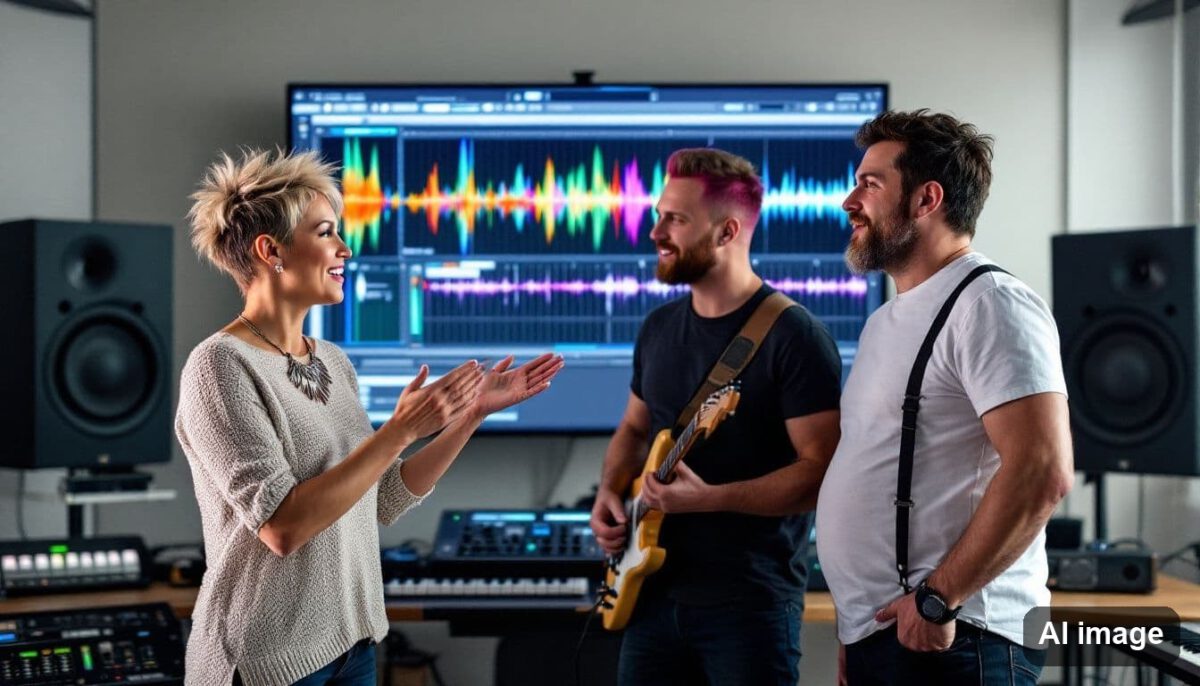
Quality instruction underpins any successful course, and this audio mixing course is no exception. Experienced instructors bring a wealth of industry knowledge, offering insights that are both practical and inspiring.
These educators shape your understanding and practical skills in audio mixing, ensuring you are well-prepared for real-world challenges. Here’s a look at their backgrounds and teaching philosophies, including insights from the audio engineering society.
Renowned Instructors
Seasoned professionals with extensive music production backgrounds lead the course. These instructors have years of industry experience, having worked with top-tier artists and prestigious studios, and many have received awards, including Grammys. Their expertise enriches the learning experience and ensures you are taught by active field professionals.
Learning from accomplished professionals offers a unique industry perspective, allowing you to apply their real-world insights to your own mixing projects.
Teaching Philosophy
The teaching philosophy of the course focuses on fostering creativity and critical thinking in students. Instructors emphasize interactive and engaging lessons that encourage you to explore your artistic intuition while mastering technical skills.
Many faculty members have experience in both teaching and professional practice, enhancing their instructional credibility and effectiveness. This dual expertise ensures that you receive a well-rounded education that prepares you for the demands of the music industry.
By adopting a student-centered approach, instructors tailor lessons to individual learning styles and needs, ensuring that you receive the personalized attention necessary to excel in your mixing and mastering endeavors.
Career Opportunities Post-Course
Completing the audio mixing course opens up a world of career opportunities. Students have significantly boosted their careers, showcasing the effectiveness of the program. From freelance mixing engineers to studio employment and various music production roles, the possibilities are vast.
Graduates often secure collaborations with renowned artists, leveraging their connections made during the program to transition into professional roles. Let’s explore the specific career paths available to you post-course.
Freelance Mixing Engineer
One of the most exciting career paths post-course is becoming a freelance mixing engineer. Insights from professionals include real-world experiences and tips on navigating the complexities of the music industry. Alumni like Ramy Morales have achieved remarkable success, collaborating with high-profile artists and earning platinum records.
Graduates have effectively utilized their mixing expertise to enhance production quality in various music projects, leading to job opportunities. Successful freelance mixing engineers often build a portfolio by collaborating on various projects, showcasing their versatility in different musical genres.
By leveraging the skills and connections gained during the course, you can establish a thriving freelance career, showcasing your talents at major music festivals and beyond.
Studio Employment
For those who prefer a more structured work environment, studio employment is a viable option. Students apply their skills in actual recording studios, often leading to immediate job opportunities in the music industry.
Graduates have effectively utilized their mixing skills in practical settings, landing roles with major labels and working alongside industry veterans. This hands-on experience in studios solidifies your skills and opens doors to a range of professional opportunities.
Music Production Roles
Many graduates transition into various music production roles, demonstrating the effectiveness of the training. Advanced mixing skills are crucial for these roles, enabling professionals to create high-quality sound.
The ability to mix audio proficiently allows graduates to collaborate with renowned musicians and producers in the industry. Whether you’re working on vocal tracks, recording sessions, or full album productions, mastering skills techniques significantly enhance your career opportunities.
Ultimately, the comprehensive training equips you with the skills needed to excel in diverse music production roles, making you a valuable asset in any studio or production team.
Summary
Embarking on an audio mixing course is a transformative experience that equips you with the skills and knowledge needed to excel in the music industry. From basic to advanced mixing techniques, genre-specific tips, and hands-on projects, the course covers all aspects of audio mixing and mastering.
The expertise of renowned instructors, combined with practical projects and industry insights, ensures that you are well-prepared for a successful career. Whether you aim to be a freelance mixing engineer, secure studio employment, or take on various music production roles, the opportunities are endless. Seize the chance to elevate your sound skills and make your mark in the music world.
Frequently Asked Questions
What are the basic mixing techniques covered in the course?
You’ll master vital techniques such as balancing levels, equalization, compression, and reverb, which are crucial for creating professional-sounding mixes. Dive in and elevate your mixing skills to the next level!
How do advanced mixing techniques enhance my music production skills?
Advanced mixing techniques like dynamic EQ and parallel compression empower you to achieve a polished sound with depth and character. Embrace these tools to elevate your music production skills and create truly captivating tracks!
What software will I learn to use in the course?
You’ll dive into industry-standard software like Pro Tools and Logic Pro, equipping yourself with essential skills for both analog and digital mixing. Embrace this opportunity to elevate your audio production abilities!
Can I pursue a career as a freelance mixing engineer after completing the course?
Absolutely! With the right skills and dedication from your course, you can successfully launch a freelance career as a mixing engineer and work with amazing artists.
What career opportunities are available post-course?
You’ll have exciting career opportunities in music production, from studio roles to working with major labels and collaborating with top musicians. Embrace your passion and step into the vibrant world of music!