Sound Design Elements: The 6 Core Components That Shape Audio Experiences
Content
When you’re watching your favorite film and suddenly jump at an unexpected sound, or feel your heart racing during a tense scene, you’re experiencing the power of expertly crafted sound design elements. These carefully orchestrated audio components work together to create immersive experiences that go far beyond what visuals alone can achieve. Whether you’re an aspiring sound designer, filmmaker, or simply curious about the magic behind great audio, understanding these foundational elements will transform how you perceive and create sonic experiences.
Sound design is the art and science of creating, manipulating, and integrating audio elements to support storytelling across various media. From the whispered dialogue in an intimate drama to the thunderous explosions in a blockbuster action film, every sound you hear has been deliberately chosen, crafted, and placed to serve the narrative. Let’s explore the six essential sound design elements that form the backbone of professional audio production.
The 6 Essential Sound Design Elements
Professional sound designers work with six core elements of sound design that form the foundation of any audio experience:
Dialogue and voice recordings serve as the primary vehicle for narrative progression, delivering character development and plot information directly to the audience. This includes both production dialogue captured during filming and post-production voice work.
Music and musical score provide the emotional architecture of your project, establishing mood, pacing, and psychological context through carefully composed melodies, harmonies, and rhythms.
Sound effects (SFX) encompass artificial or enhanced sounds that support visual action, from the subtle click of a light switch to the earth-shaking roar of a dragon.
Foley sounds represent the recorded everyday sounds that match character movements and interactions, creating realistic audio that synchronizes perfectly with on-screen action.
Ambiance and atmosphere establish the environmental context through background sounds that define location, time of day, weather conditions, and spatial characteristics.
Voice-over and ADR (Automated Dialogue Replacement) provide narrative enhancement through narration and technical solutions for dialogue issues discovered in post-production.
Dialogue: The Foundation of Audio Storytelling
Dialogue forms the cornerstone of most audio productions, serving as the primary conduit for character development and narrative progression. The sound designer’s job begins with production dialogue captured during filming using boom microphones positioned just outside the camera frame and wireless lavalier microphones clipped to actors’ clothing.
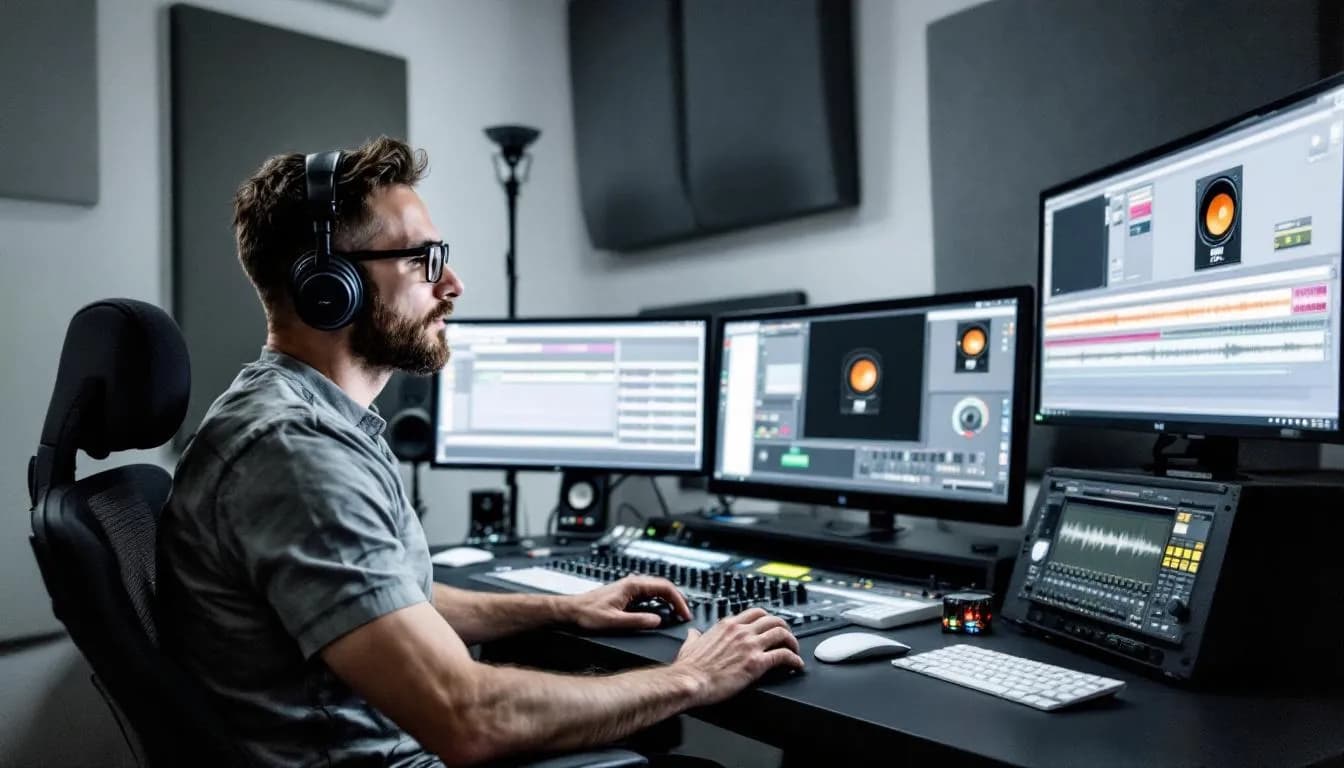
However, many sound designers discover that production dialogue requires extensive work in post production. Environmental noise, aircraft overhead, or technical issues can render original recordings unusable. This is where ADR becomes essential. During automated dialogue replacement sessions, actors re-record their lines in a controlled recording studio environment, matching the timing and emotion of their original performance.
The dialogue editing process involves sophisticated techniques including noise reduction, sync correction, and audio restoration. Sound editors use specialized software tools to optimize voice clarity through equalization, compression, and de-essing to remove harsh sibilant sounds. Marvel’s MCU films exemplify extensive ADR usage, particularly during action sequences where practical effects and stunts make clean dialogue recording impossible on set.
Great sound designers understand that dialogue must cut through complex sound mixes while maintaining natural characteristics. This requires careful frequency spectrum management, ensuring dialogue occupies the critical 1-4 kHz range where human speech intelligibility peaks.
Music: Emotional Architecture Through Composition
Music production in sound design extends far beyond simply adding background tracks. Film music functions as emotional architecture, guiding audience reactions and supporting narrative beats through carefully orchestrated compositions. Sound designers work closely with composers to integrate musical elements seamlessly into the overall sound design.
Orchestral scores composed by dedicated film composers like Hans Zimmer demonstrate how music can become inseparable from visual storytelling. The creative sound design process involves understanding the distinction between diegetic music (which characters can hear within the scene) and non-diegetic underscores (which only the audience experiences).
During the editing phase, many sound designers initially work with temp music – existing musical pieces that approximate the desired emotional tone. This temporary approach helps establish pacing and emotional beats before the final musical score is composed and recorded.
John Williams’ leitmotif system in Star Wars serves as a masterclass in musical sound design. Each character, location, and concept receives its own musical theme that can be woven throughout the score, creating subconscious associations that enhance storytelling depth. The Force theme, Imperial March, and character-specific melodies demonstrate how pre recorded music can become integral to narrative structure.
Electronic music production techniques have also revolutionized film sound design, allowing composers to create unique sonic textures that blend the line between traditional music and sound effects.
Sound Effects: Crafting the Unreal and Enhancing Reality
Creating sound effects represents one of the most creative aspects of sound design, requiring sound designers to craft audio for events that may not exist in reality. The sound design process involves three primary categories of effects work.
Hard effects synchronize precisely to specific visual events like gunshots, explosions, or vehicle crashes. These effects must match visual timing exactly, often requiring frame-accurate placement and multiple layers to achieve the desired impact.
Designed effects emerge from synthesis and audio manipulation, creating entirely new sounds for fictional elements. Recording sound effects for science fiction or fantasy requires innovative approaches, combining multiple source recordings with digital processing to achieve otherworldly results.
Layered effects represent the sophisticated combination of multiple sound sources to create complex auditory experiences. A single explosion might incorporate recordings of actual pyrotechnics, metal impacts, debris falling, and synthesized low-frequency rumbles, all carefully mixed to create a cohesive sonic event.
Digital libraries like Pro Sound Effects and Soundly have revolutionized access to high-quality source materials, but truly unique sounds often require original recording and creative processing. Ben Burtt’s creation of lightsaber sounds for Star Wars exemplifies innovative sound design – he combined the hum of film projector motors with television tube interference, then processed these recordings to create an iconic sound that had never existed before.
Foley: The Art of Synchronized Movement
Foley represents the specialized practice of recording everyday sounds in sync with character movements and object interactions. Foley artists work in dedicated foley recording stages equipped with various surface materials and props to recreate realistic audio that matches on-screen action.
Footsteps form the foundation of most foley work, with artists performing walks, runs, and specialized movements on surfaces that match the visual environment. A single scene might require footsteps on concrete, grass, gravel, wooden floors, and metal grating, each recorded with appropriate timing and intensity.
Cloth and fabric sounds capture the subtle audio of costume movement, from the rustle of period dresses to the creak of leather jackets. These seemingly minor details significantly impact the audience’s subconscious connection to characters and their physical presence in the scene.
Props and object handling encompass the vast array of sounds created by character interactions with their environment: door slams, glass breaks, paper rustling, and weapon handling. Each sound must be performed with precise timing to match the visual action.
Industry standards typically require foley recording at 48kHz/24-bit resolution for professional productions, ensuring sufficient audio quality for extensive post-production processing. The sound team must also consider the acoustic characteristics of recording spaces, often preferring dead rooms with minimal reverberation for maximum mixing flexibility.
Many sound designers appreciate foley for its organic quality – the subtle imperfections and natural variations that distinguish human-performed sounds from digital samples.
Ambiance: Building Immersive Environmental Soundscapes
Ambient sounds provide the environmental foundation that grounds fictional worlds in believable reality. The sound design process for ambiance involves creating immersive soundscapes that establish location, time, weather, and mood without drawing conscious attention to themselves.
Room tone captures the natural acoustic signature of filming locations – the barely perceptible combination of air circulation, electrical hum, and environmental characteristics that define interior spaces. Recording sound editors often use this foundational layer as the basis for more complex ambient designs.
Weather ambiances transport audiences to specific environmental conditions through carefully crafted combinations of rain, wind, thunder, and atmospheric effects. These background sounds must feel natural while supporting the emotional tone of scenes.
Urban soundscapes layer traffic noise, crowd sounds, and city-specific audio elements to establish metropolitan environments. The sound mixing process involves balancing multiple ambient layers at different audio levels to create depth without overwhelming dialogue or music.
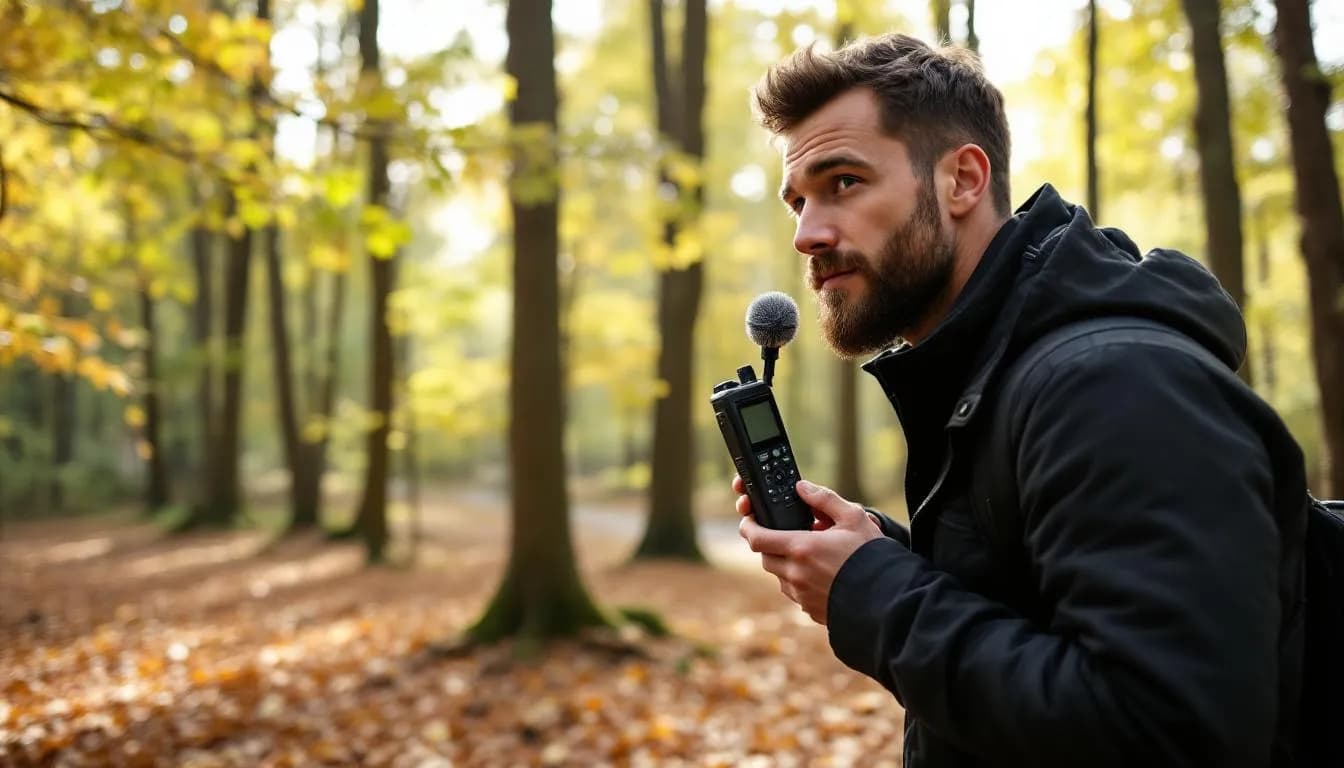
Natural environments require recordings of birds, insects, wildlife, and environmental sounds that change throughout the day and seasons. Capture sounds of dawn choruses, evening crickets, and weather transitions help establish temporal context.
The technical approach involves creating multiple ambiance layers mixed at different levels, allowing sound supervisors to adjust environmental intensity based on dramatic needs. Background noise levels must be carefully managed to maintain dialogue intelligibility while preserving environmental authenticity.
Voice-Over and ADR: Narrative Enhancement and Technical Solutions
Voice over work serves dual purposes in sound design: enhancing narrative structure and solving technical dialogue problems discovered during post production. The supervising sound editor coordinates these elements to ensure seamless integration with other audio components.
Narrator voice-over provides story context, character insight, and exposition that might be difficult to convey through action alone. Documentary productions rely heavily on clear, authoritative narration that guides audience understanding of complex topics.
Character thoughts conveyed through internal monologue allow filmmakers to reveal psychological states and motivations that visual storytelling alone cannot express. This technique requires careful mixing to distinguish internal thoughts from external dialogue.
ADR sessions address dialogue problems ranging from technical issues to creative changes requested during the editing process. Actors return to recording studios to re-perform lines with better audio quality or updated script content.
Loop groups create crowd walla and background conversations that populate scenes with realistic human presence. These sessions require multiple voice actors performing simultaneous conversations at appropriate volume levels.
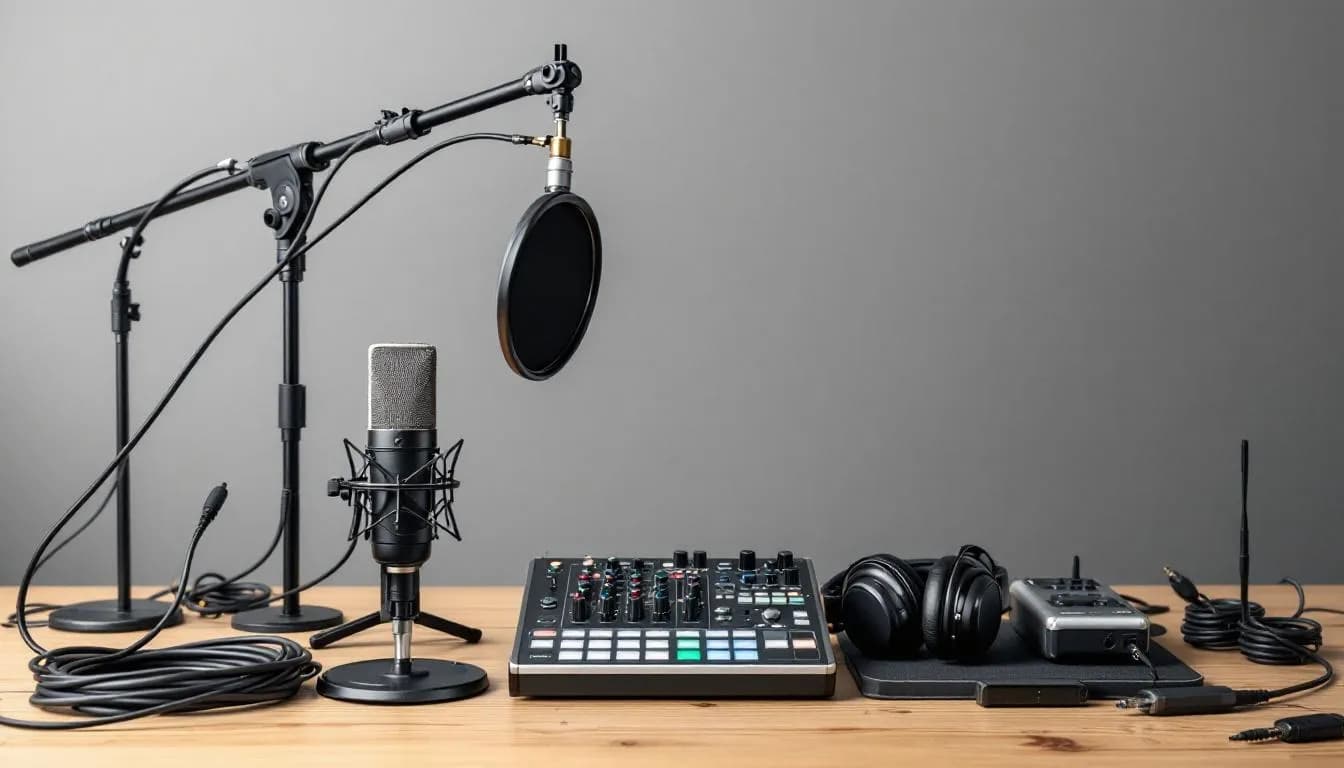
The sound design begins with careful planning of voice over placement to avoid conflicts with music and sound effects. Automated dialogue replacement typically occurs in acoustically controlled environments using high-quality microphones and preamps that match the original production recording characteristics.
Technical Tools for Sound Design Elements
Professional audio production requires sophisticated software tools and hardware systems capable of handling the complex demands of modern sound design. The recording studio environment must provide the flexibility to work with all sound design elements simultaneously.
Pro Tools remains the industry standard DAW for audio post-production, offering advanced editing capabilities, comprehensive mixing tools, and seamless integration with professional hardware systems. Its 64-bit audio engine and extensive plugin support make it ideal for complex projects involving hundreds of audio tracks.
Logic Pro X and Reaper provide excellent alternatives for music composition and sound design, particularly for independent productions with smaller budgets. These platforms offer built-in synthesizers, sample libraries, and audio effects that support creative expression without requiring extensive third-party plugins.
iZotope RX has revolutionized audio repair and noise reduction, allowing sound editors to salvage dialogue recordings that would have previously required complete ADR replacement. Its spectral editing capabilities enable surgical removal of unwanted sounds while preserving dialogue quality.
Native Instruments Komplete provides comprehensive synthesis and sampling tools for creating original sound effects and musical elements. The software synthesizers and sample libraries offer sonic possibilities that extend far beyond traditional recording approaches.
Field recording equipment specifications for 2024 include the Zoom F8n multi-track recorder ($899), Rode NTG3 shotgun microphone ($699), and Sennheiser MKH416 broadcast microphone ($1,249). Professional sound system requirements typically include studio monitors, audio interfaces with multiple inputs, and acoustically treated mixing environments.
Industry Applications of Sound Design Elements
Different media formats require specialized approaches to implementing sound design elements, each with unique technical requirements and creative challenges.
Film and television production utilizes 5.1 surround sound and Dolby Atmos mixing standards that allow precise placement of audio elements throughout three-dimensional space. The re recording mixer must balance all elements while ensuring compatibility across various playback systems from theater sound reinforcement to home television speakers.
Video game audio employs middleware like Wwise and FMOD to create interactive soundscapes that respond dynamically to player actions. Various sound elements must be programmed to trigger based on gameplay events, creating immersive experiences that adapt in real-time.
Podcast production focuses primarily on dialogue clarity and music integration, requiring careful attention to frequency response and dynamic range suitable for compressed audio streaming. Background music and sound effects must support spoken content without competing for listener attention.
Theater and live performance demands real-time sound design using mixing techniques that accommodate the acoustic characteristics of performance venues. Theatrical sound designers must work within the physical constraints of live spaces while creating immersive experiences for audiences.
Virtual reality production requires 360-degree spatial audio design where traditional stereo and surround sound approaches prove inadequate. Sound designers must consider head tracking and positional audio to create convincing virtual environments.
Commercial and advertising work operates under tight deadline requirements, often demanding complete sound design within days rather than weeks. Despite time constraints, these projects still require all essential sound design elements working together effectively.
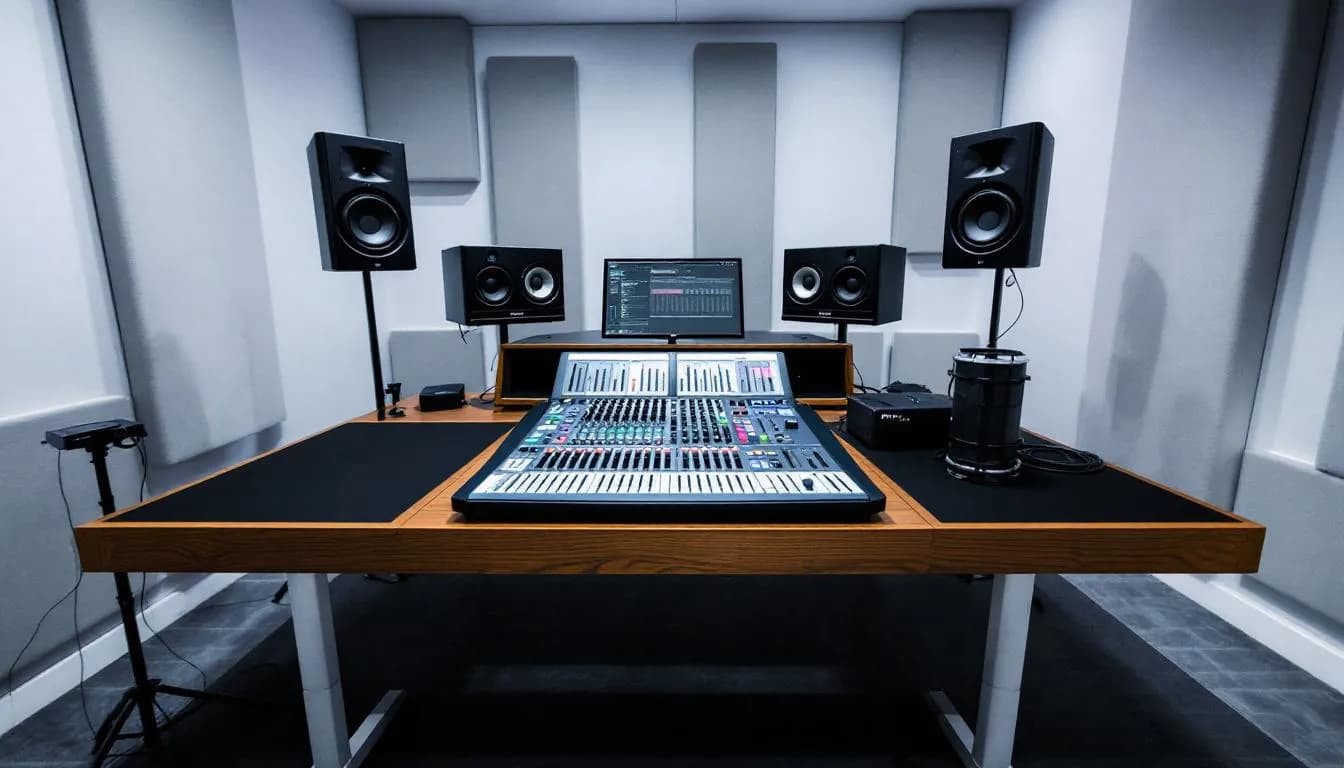
Professional Workflow: Combining All Elements
The sophisticated integration of all sound design elements requires careful planning and systematic execution throughout the production process. Pre-production planning involving directors and sound supervisors establishes creative vision and technical requirements before recording begins.
Session templates organize elements into dedicated tracks, typically separating dialogue, music, sound effects, foley, and ambiance into distinct groups for efficient mixing. This organizational approach allows sound team members to work simultaneously on different elements without conflicts.
Mixing stages balance levels between dialogue, music, and effects while maintaining clarity and emotional impact. The sound mix must serve the narrative while meeting technical delivery specifications for various distribution formats.
Final delivery requires multiple format versions: stereo for television broadcast, 5.1 surround sound for theatrical release, Dolby Atmos for premium theaters, and streaming-optimized versions for online platforms. Each format requires specific technical considerations and quality control procedures.
Professional timeline expectations for a 90-minute film typically require 6-8 weeks of post-production audio work, involving teams of specialists including dialogue editors, music editors, sound editors, foley artists, and re-recording mixers. This complicated process demands careful coordination to ensure all audio elements serve the creative vision.
Quality control checks ensure sync accuracy and technical compliance across all deliverable formats. The audience hears the final result as a seamless integration of all elements, but achieving this requires meticulous attention to detail throughout the entire sound design process.
Conclusion
Understanding these six essential sound design elements – dialogue, music, sound effects, foley, ambiance, and voice-over – provides the foundation for creating compelling audio experiences across any medium. Each element serves specific narrative and emotional functions, but their true power emerges through skillful integration and creative expression.
Whether you’re working on your first short film, developing a podcast, or designing audio for interactive media, these elements of sound design remain constant. The tools and techniques may evolve with technology, but the fundamental principles of combining various sound elements to support storytelling endure.
The sonic palette available to modern sound designers offers unprecedented creative possibilities. From capturing sounds in remote locations to crafting entirely synthetic audio worlds, the field continues expanding its boundaries while honoring the essential role each element plays in the complete audio experience.
Start experimenting with these sound design elements in your own projects. Focus on how each component contributes to your narrative goals, and don’t be afraid to push creative boundaries. The best sound designers understand that sometimes the most powerful sonic moments come from the subtle interplay between elements rather than any single dramatic effect.