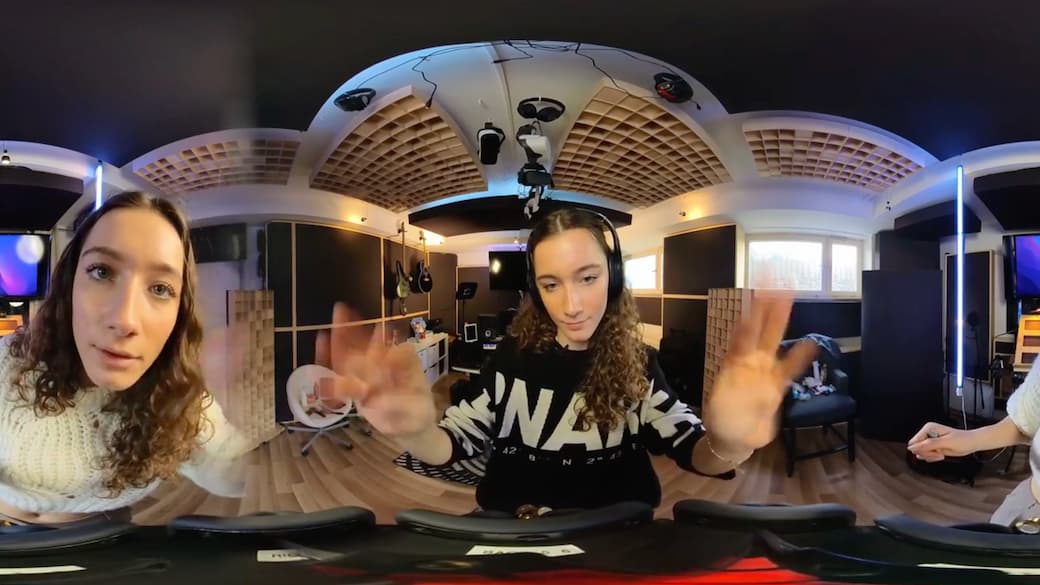
Spatial Audio ASMR in 360° VR Video: with influencer NanouASMR
In the ever-expanding world of Autonomous Sensory Meridian Response (ASMR), content creators are constantly exploring new ways to elevate the experience for their audience.
Recently, the YouTube-ASMR-300K dataset was released, consisting of approximately 300K 10-second video clips with spatial audio, making it the largest video dataset with spatial audio published to date.
This timely release highlights the rapid advancements in spatial audio research and provides a valuable resource for both creators and researchers.
One year ago, we took ASMR to the next level by creating something unique: a 360° ASMR video with spatial audio. Working alongside NanouASMR, we developed a project that combines visual and auditory immersion like never before on YouTube.
Introduction to ASMR
Autonomous Sensory Meridian Response, or ASMR, describes the tingling sensation that many people experience in response to gentle sounds like whispering, tapping, or crinkling.
Over the years, ASMR has become a global phenomenon, with millions turning to ASMR videos on YouTube and other platforms to relax, reduce stress, and improve their well-being.
What sets ASMR apart is its ability to create a deeply personal and immersive experience for listeners, often enhanced by advanced audio technologies.
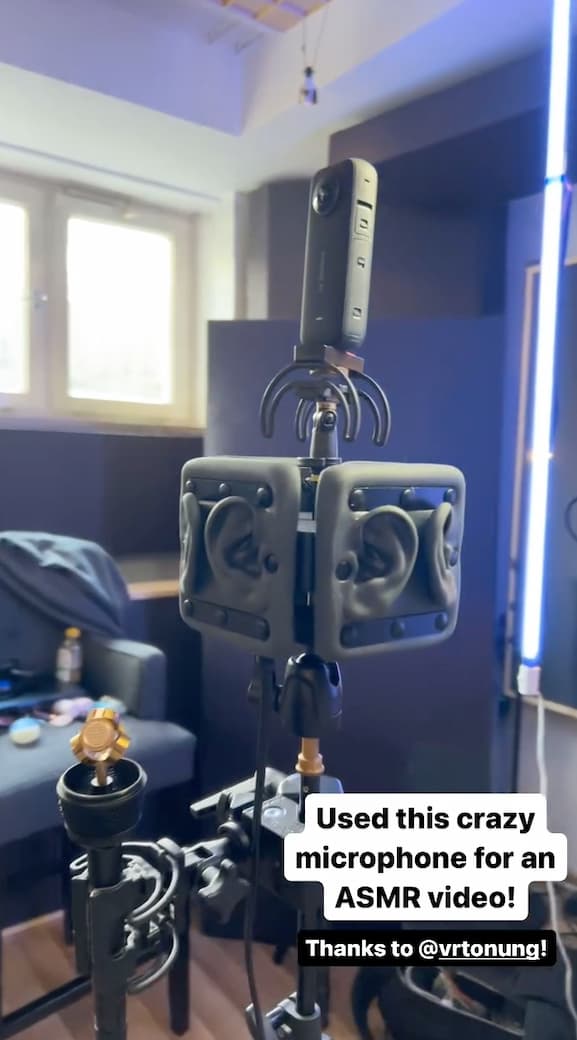
One of the most exciting developments in the ASMR world is the use of spatial audio. Unlike traditional stereo or even binaural recordings, spatial audio creates a three-dimensional soundscape, allowing listeners to perceive sound sources as if they are moving through space around them.
This technology uses specialized microphones and audio processing to simulate the way our ears naturally hear, making the experience feel incredibly lifelike.
Whether you’re listening with headphones or exploring 360° videos, spatial audio can make you feel as if you’re right there in the room with the creator, with sounds coming from every direction.
To further tailor the ASMR experience, many platforms use cookies and data to deliver personalized content and ads.
By tracking activity like the videos you watch, your general location, and your interactions with the site, services can recommend a customized YouTube homepage, show personalized ads depending on your settings, and deliver content that matches your interests.
This not only enhances the quality of those services but also helps creators measure audience engagement and site statistics to understand how their content is being received.
For example, ad serving is based on past activity and location, allowing for more relevant and effective ads that support creators and improve the overall experience.
Maintaining and improving the quality of ASMR content also relies on tracking outages, protecting against spam, fraud, and abuse, and using data to develop and improve new features.
Depending on your privacy settings, you can choose to accept or reject cookies for these additional purposes, and manage your privacy settings at any time by visiting privacy tools at g.co/privacytools.
This ensures that your experience remains age-appropriate if relevant, and that your data is used responsibly to enhance the effectiveness of ads and content.
As the ASMR community continues to grow, the integration of spatial audio, personalized content, and data-driven insights is revolutionizing how we experience relaxation and sensory stimulation.
Whether you’re a long-time listener or just discovering the world of ASMR, these innovations are making it easier than ever to enjoy high-quality, immersive content tailored just for you.
With ongoing advancements in spatial sound and immersive media, the future of ASMR promises even more engaging and effective ways to relax, unwind, and connect with content creators around the world.
Why We Did It: Breaking New Ground in ASMR
ASMR videos have become extremely popular over the years, providing comfort, relaxation, and tingles to viewers across the globe.
However, we wanted to go beyond what traditional ASMR offers. Our goal was to enhance the experience by integrating spatial audio—a technology that simulates sound in a 3D space—paired with 360° video.
Unlike typical binaural audio experiences, spatial audio allows viewers to feel as if the sound is coming from different directions, creating an even deeper sensory connection.
We realized that, despite the increasing number of ASMR videos on YouTube over the years, there was still room to push the boundaries of how ASMR is consumed.
This project was designed to transform how viewers interact with ASMR content, allowing them to look around and hear the sounds change based on their position in the video.
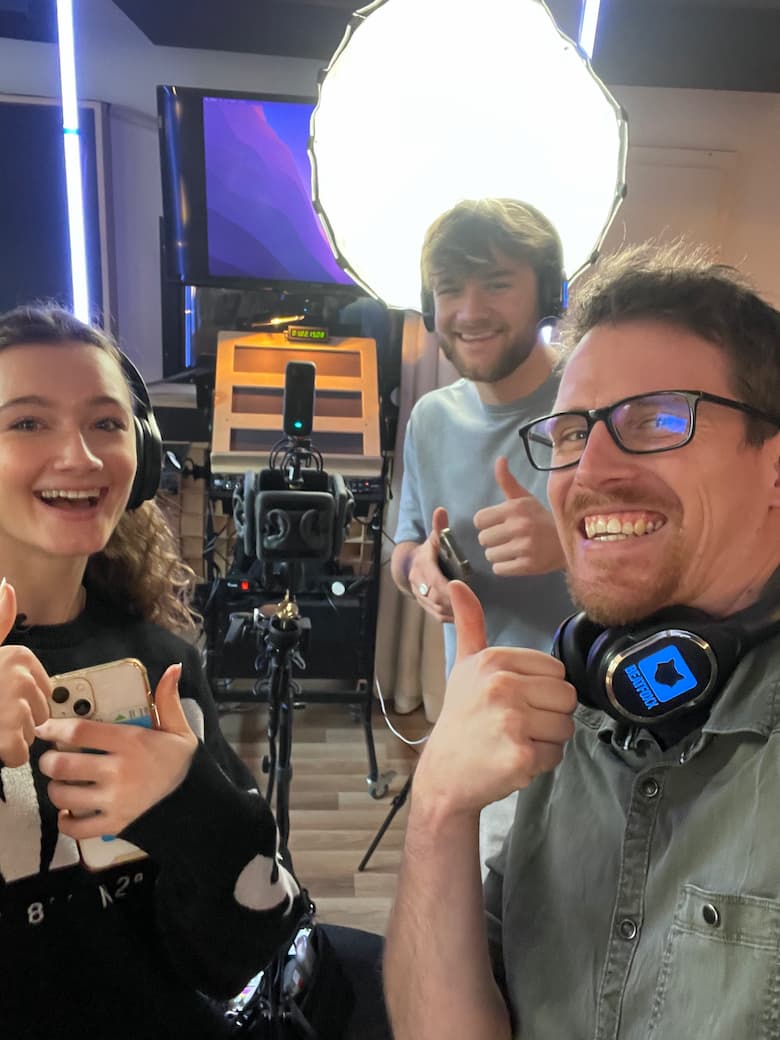
How We Did It: Combining Spatial Audio and 360° Video
In collaboration with NanouASMR, we created an immersive 360° ASMR experience using spatial audio. In this video, Nanou appears twice, in front and behind the viewer, adding a unique dual perspective.
As you move your head, the audio changes based on where you’re looking, thanks to head-tracking technology.
This dynamic interaction allows viewers to not only see but also hear the difference as they explore the 360° space.
We made sure this was accessible across devices—whether you’re watching on YouTube on your computer or a smart TV.
TikTok Success: Reaching Millions with 3D Audio
In addition to this groundbreaking YouTube project, we also took to TikTok, where we shared short videos explaining 3D audio and the microphones we used.
These clips reached millions of views in just a few months, helping to spread awareness of spatial audio and its potential in ASMR. The popularity of these reels reinforced the power of immersive sound in transforming viewer experiences.
-
https://www.tiktok.com/@nanouasmrofficial/video/7350303105860373793
-
https://www.tiktok.com/@nanouasmrofficial/video/7361418341237443873
The Reactions: Viewer Feedback years ago
The reaction from our viewers was incredible. Many commented on how this was unlike any ASMR video they had seen before. Here’s a glimpse of what some of them had to say:
@N1klasius: “THIS IS SO COOL THAT YOU CAN MOVE AROUND WOW.”
@pinnball706: “This is such a clever idea and so unique compared to other ASMR videos as far as I’m aware. Well done Nanou!”
@Aurelius_77: “This is the best ASMR in the day.”
Many viewers mentioned how the videos worked seamlessly across different devices, adding to their enjoyment of the content.
There were also comments about how spatial audio enhanced the relaxation and sensory experience, allowing for deep sleep and making it one of the most engaging ASMR experiences they had ever encountered.
Experience it for Yourself
You can watch the full video on YouTube and explore how spatial audio and 360° video transform traditional ASMR into an immersive sensory experience.
Additionally, Nanou and I have already collaborated on ASMR audio projects for brands like Audi. As a 3D Audio Expert, I’m available to assist with any future ASMR or spatial audio needs. If you want to learn more about how immersive audio can transform your content, feel free to reach out!
Back to portfolioPlanning a video with immersive audio? Let’s talk.
Spatial sound turns a video into an experience — ASMR, marketing or documentary.
Get in touch